What Is Not Covered Under Collision Coverage
Collision pays for damage from hitting another car or object, but it skips almost everything else that can happen to your car.
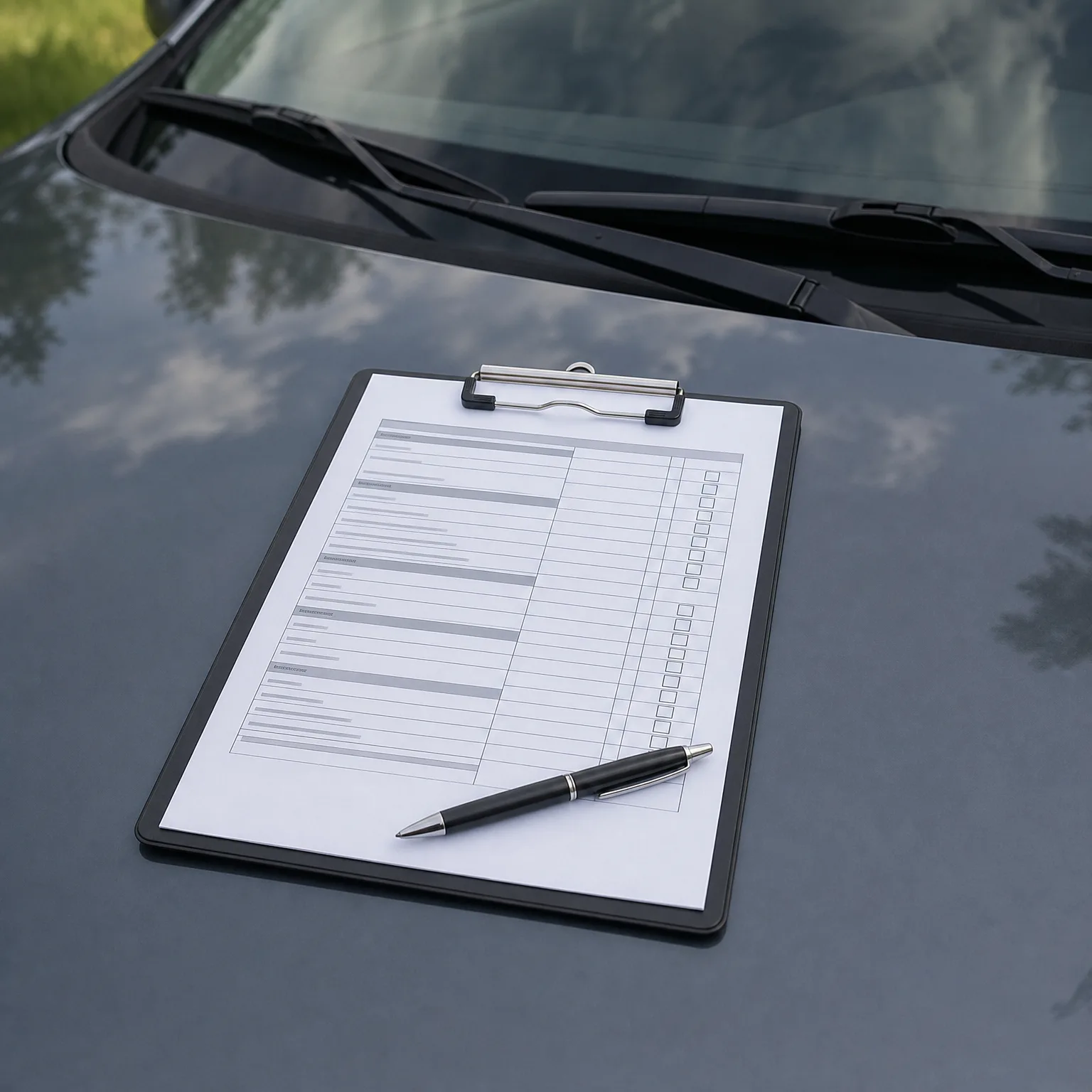
Collision stops at crashes, these other things need separate coverage
- Weather and natural events Hail, flooding, falling branches and fire aren't collisions, so collision coverage won't pay for them. That's what comprehensive coverage is for, and it's a separate line on your policy.
- Theft and vandalism If your car is stolen or someone keys it in a parking lot, collision doesn't apply. Comprehensive coverage handles these, so check whether you have it alongside collision.
- Hitting an animal Deer and other animal strikes are usually treated as comprehensive claims, not collision, even though your car gets physically damaged. Confirm how your insurer classifies this before you assume collision covers it.
- Wear and mechanical failure A worn-out transmission or a battery that dies isn't an accident, so no collision claim applies. Routine maintenance and mechanical breakdowns stay your responsibility.
- Damage to others' property Collision only pays for your own car. If you damage another car or a fence, that's liability coverage, which is a different part of your policy entirely.
The short version
Collision only covers damage from hitting another vehicle or object, nothing else. Weather, theft, animals and mechanical failure fall outside it, and need comprehensive or liability coverage instead. Check your declarations page to see which of those you actually carry before you assume you're protected.
When a cracked windshield turned into a coverage surprise
A driver who'd just bought their first home also had a newer car they'd financed a few months earlier. One morning a rock kicked up from a truck ahead cracked their windshield badly enough that they needed it replaced. They called their insurer assuming collision would cover it, since the damage happened while driving.
The agent explained that flying debris damage falls under comprehensive coverage, not collision, because there was no impact with another vehicle or object in the way the policy defines it. Luckily they had added comprehensive when they bundled the auto policy with their new home insurance, so the claim was approved. Had they dropped comprehensive to save money during the move, the full repair cost would have landed on them. They kept both coverages after that and made a note to review the whole policy again before renewal.
Now that you know what collision leaves out, compare quotes that include the comprehensive coverage you actually need.
Whether you also carry comprehensive coverage
If you do
Your car is protected against theft, weather, animal strikes and vandalism, not just crashes. If any of these happen, you file a claim and pay your deductible, and the rest is handled. This closes the exact gap that collision coverage leaves open on its own.
If you don't
A cracked windshield from debris, a flooded engine or a stolen car becomes entirely your cost to cover. Collision won't help because none of those involve hitting another vehicle or object. You'd be paying full price for repairs or replacement out of pocket, right when you're already stretched thin from buying a home.
Do I actually need comprehensive coverage too, or is collision enough?
Collision alone is not enough if you want protection against anything other than a crash. Comprehensive coverage is what handles theft, weather damage, animal strikes and vandalism, and without it those costs fall entirely on you. Whether you need it depends on your car's value and how much risk you're willing to carry yourself.
If your car is older and worth very little, some people choose to drop comprehensive and collision both, accepting the risk to save money. But if you just financed or are still paying off the car, your lender likely requires both coverages anyway. Check your loan agreement and your current declarations page together, since that will tell you exactly what's required and what's optional for your situation.