What Is a Common Reason Why Insurance Claims Are Rejected
Most rejected claims trace back to a gap between what you told your insurer and how you actually live, drive, or park.

These mismatches cause most claim denials
- Wrong address on file Your policy is priced and written for where you told the insurer you live. If you moved and didn't update it, a claim can be denied because the risk on file doesn't match reality.
- Unlisted drivers or vehicles If someone who regularly drives your car isn't on the policy, a claim involving them can be challenged. Add anyone who drives the car often, not just the primary driver.
- Lapsed or late payments A missed payment can quietly end coverage even if you think you're still insured. Check your policy status directly with the insurer, not just your calendar.
- Undisclosed changes in use Using a personal car for deliveries or rideshare without telling your insurer can void coverage for that trip. Tell them if how you use the car has changed.
- Missing or late documentation Claims get denied when requested proof arrives late or incomplete. Keep records of the incident and respond to insurer requests as soon as they come in.
A new address that never made it onto the policy
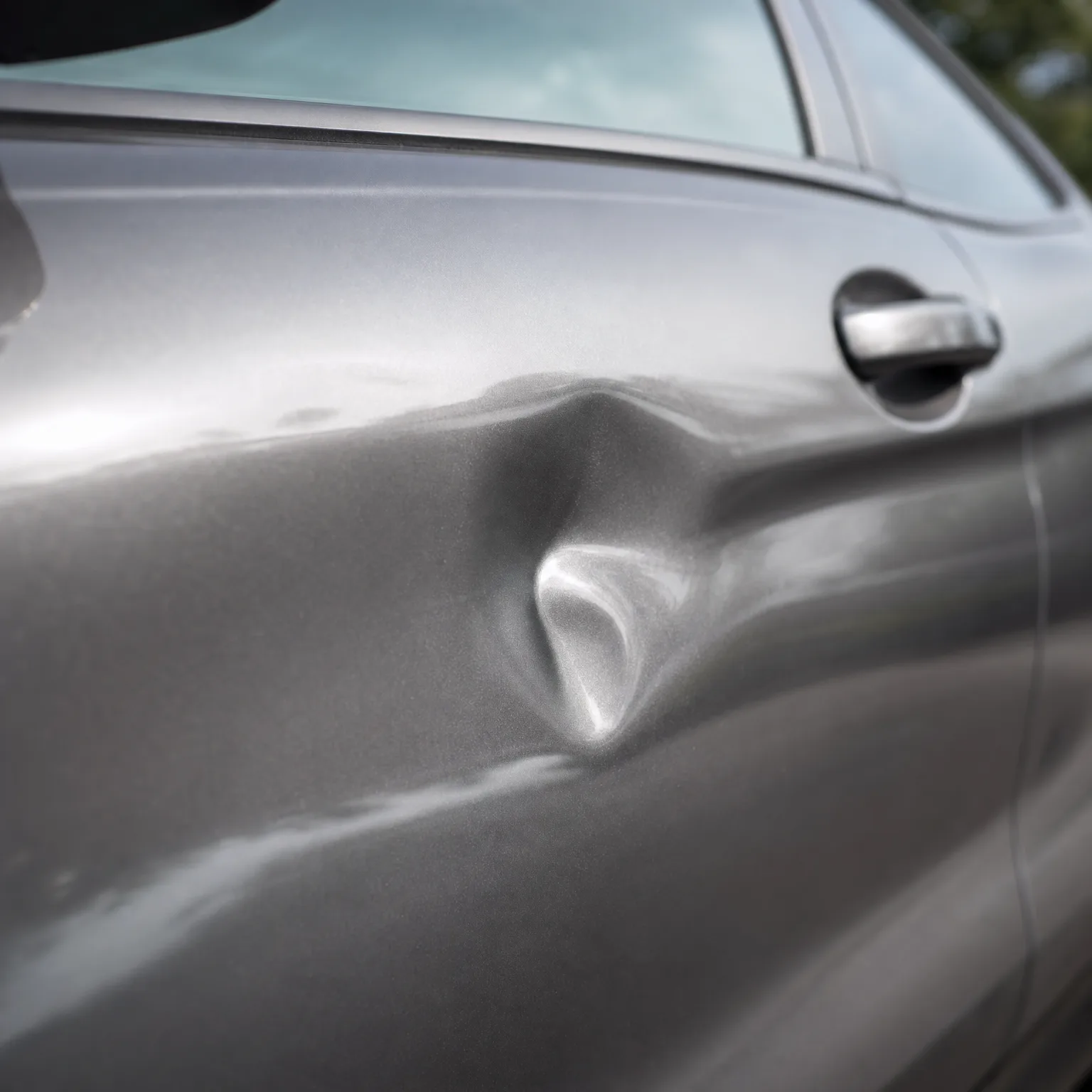
A couple bought their first home and spent weeks sorting out the mortgage, the homeowners policy, and movers. The car insurance felt done already, so they didn't think to touch it. A few months later, one of them was in a minor accident near the new house, a few miles from where the policy still listed as their address.
The insurer flagged the mismatch right away. The claim wasn't automatically denied, but it triggered a review, delayed the payout, and the insurer asked why the listed address didn't match where the car was actually garaged. It turned out the new zip code had a different risk profile, and the insurer wanted the policy corrected and backdated before processing further. The couple ended up paying a small adjustment in premium and waiting longer than expected for the claim to close. Updating the address the week they moved would have avoided the delay entirely.

Updating your policy details after a move
If you do
You give your insurer the new address, who drives the car, and where it's parked. Your premium may shift a little, but your coverage matches your real situation. If something happens, the claim moves forward without anyone questioning what you reported.
If you don't
Your policy still reflects your old life. If a claim comes in, the insurer may find the mismatch and treat it as a reason to investigate, delay, or deny. Even a true, honest accident can get tangled in a dispute you didn't see coming.
Once your details are current, compare quotes knowing your coverage will actually hold up when you need it.
Why claims fail when the facts on file are off
Insurance is a contract built on the information you gave the insurer at the start. The premium you pay, and whether a future claim gets paid, both depend on that information staying accurate. When your real situation drifts away from what's on paper, the insurer has grounds to question the claim, even if the accident itself was completely legitimate.
This isn't about punishing honest mistakes. Insurers price risk based on specific details, where a car sits overnight, who drives it, how far it travels. If those details change and the insurer never finds out, they were effectively pricing and covering a different risk than the one that actually existed. A claim becomes the moment that gap surfaces, because it's the first time anyone checks the details against reality.
What counts as a meaningful change and how strictly it's enforced varies by insurer and by state. Some insurers treat a small address shift lightly, others treat it as grounds for a full review. Some states limit how much an insurer can use an unrelated technicality to deny a claim outright, others give insurers more room. Check your policy terms and your state's rules on what's called a material misrepresentation, since that's the legal idea behind most of these denials.
The cases where this works out differently usually involve insurers choosing to overlook a minor, unrelated discrepancy, especially if it had nothing to do with the cause of the accident. But you can't count on that discretion. The safer path is keeping your policy accurate as your life changes, so there's never a gap for anyone to find.

Will updating my address or adding a driver raise my premium?
It might, but not always, and either way it's better than a denied claim. Premiums are based on risk, so a new zip code with more traffic or theft could raise your rate, while a quieter area could lower it. Adding a driver with a clean record may barely move the price at all.
The only way to know is to ask your insurer directly for a reassessment, since guessing or assuming the worst doesn't help you. If the new number feels high, that's useful information too, because it tells you it might be time to compare quotes elsewhere with your updated, accurate details in hand. Either way, you're paying for coverage that will actually protect you.