What Happens if Someone Purposely Damages Your Car
Your own comprehensive coverage pays for intentional damage done by someone else, not their insurance, and not your collision coverage.
What to do and what it changes about your claim
- File a police report first A report creates an official record that the damage was intentional and not an accident you caused. Most insurers ask for it before they'll process this kind of claim.
- Use comprehensive, not collision Vandalism falls under comprehensive coverage, which handles damage from things other than a crash. If you dropped comprehensive to save money, this is the moment that choice costs you.
- Check your deductible first You'll owe your deductible before coverage kicks in, so small damage might cost more to claim than to just pay for. Get a repair estimate before you decide to file.
- Know the suspect matters If you know who did it, like an ex or a neighbor, tell your insurer and the police. It can affect whether they pursue restitution from that person later.
- Expect a slight rate effect Comprehensive claims usually affect rates less than at-fault accidents, but it varies by insurer. Ask yours directly how a vandalism claim shows up on renewal.
A car keyed in a parking lot
You come out of work and find a long scratch down the side of your car, the kind that's clearly deliberate, not a shopping cart or a door ding. There's no note, no witness, nothing. You call the police to file a report, mostly to have it on record, then call your insurer the same day. They ask whether you have comprehensive coverage, and you check your policy and confirm you do.
You get a repair estimate from a body shop, and it comes in above your deductible, so filing makes sense. The insurer opens a claim, you pay your deductible, and they cover the rest of the repair. A few weeks later your policy renews and the rate barely moves, since this wasn't an at-fault accident. The whole thing takes about two weeks from report to repaired car, and the only real cost to you was the deductible and the hassle of dropping the car off.

Now that you know comprehensive coverage handles this, compare quotes to see what it actually costs.

Whether you carry comprehensive coverage
If you do
You file a claim, pay your deductible, and the insurer covers the rest of the repair. The process is straightforward since this is exactly what comprehensive coverage exists for. Your rate may tick up slightly at renewal, but it's treated differently than an at-fault accident.
If you don't
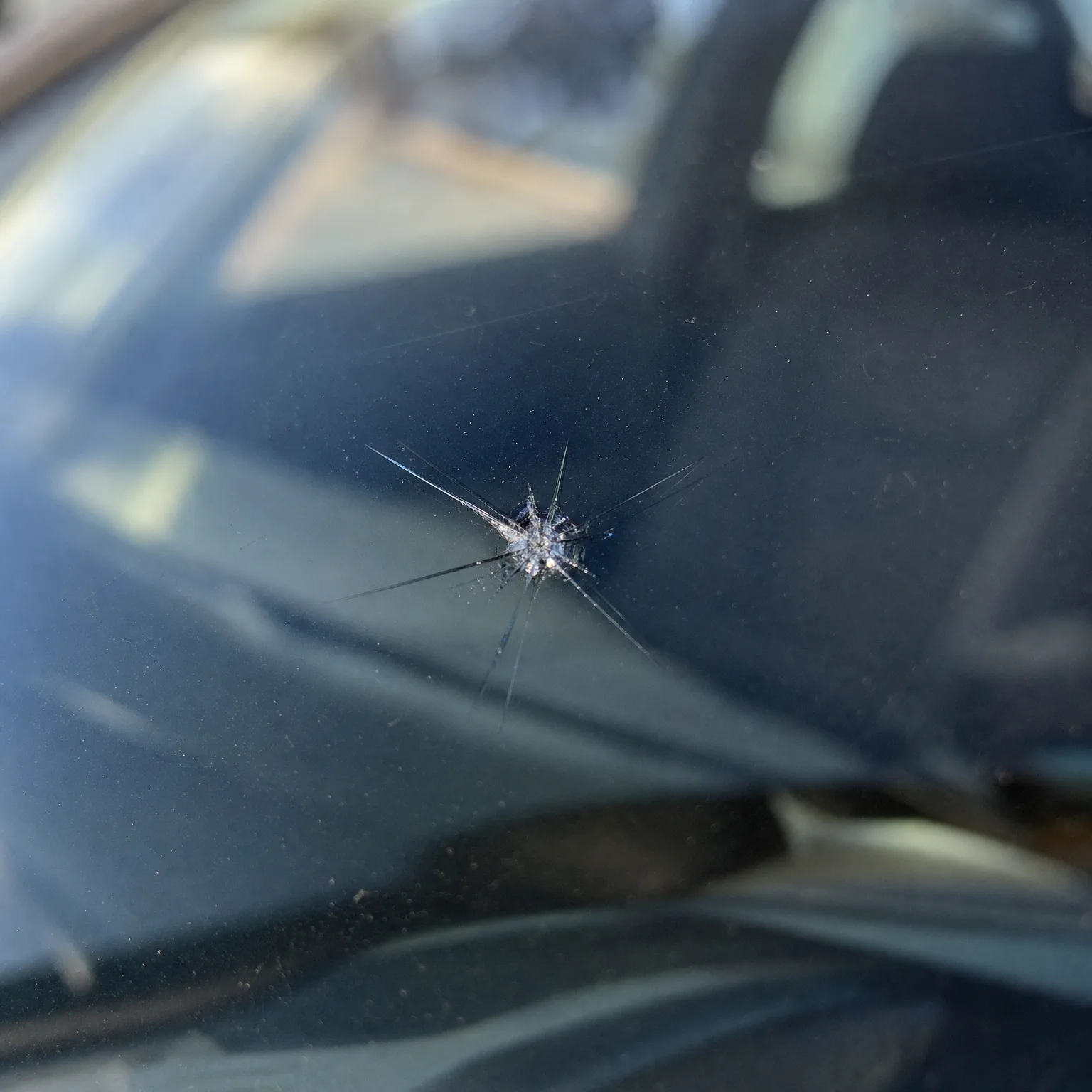
You're paying for the entire repair yourself, from a cracked window to a keyed door panel. There's no claim to file because the coverage that handles this simply isn't on your policy. This is usually the moment people realize collision-only coverage doesn't protect against everything.
Why comprehensive coverage is what pays here
Car insurance splits damage into categories based on cause, not severity. Collision coverage pays when your car hits something or something hits it, like another vehicle or a guardrail. Comprehensive coverage pays for nearly everything else, including weather, theft, animals, and vandalism. Someone keying your car or smashing a window out of spite falls squarely into that second category, because you didn't cause it and no collision was involved.
This is also why the other person's insurance usually isn't involved, even though they're the one who did the damage. Filing a claim against someone else's policy generally requires proving fault in an accident, not pursuing them for an intentional act. The criminal and civil systems are where you'd seek accountability from the person, through restitution ordered by a court or a separate lawsuit. Your insurer's job is simply to get your car fixed, not to punish the person who damaged it.
Where this gets less clean is when ownership of the damage is unclear. If you don't know whether a dent came from a hit and run, a shopping cart, or someone keying your door, insurers may still treat it as comprehensive since there's no at-fault party identified. If you do know who did it and they're caught, some states or insurers let you pursue the person directly for your deductible, but that process varies and isn't guaranteed.
The other variable is whether you carry comprehensive at all. Lenders often require it while you're financing a car, but once a car is paid off some people drop it to save money. If that's you, intentional damage becomes an out of pocket repair, which is worth weighing against what you'd save by keeping the coverage.

This isn't the other driver's problem to fix. It's your comprehensive coverage, or it's nobody's.