What Happens if My Car Gets Vandalized
If you carry comprehensive coverage, it pays for vandalism damage to your car after you cover the deductible.
Keyed Doors in a New Driveway
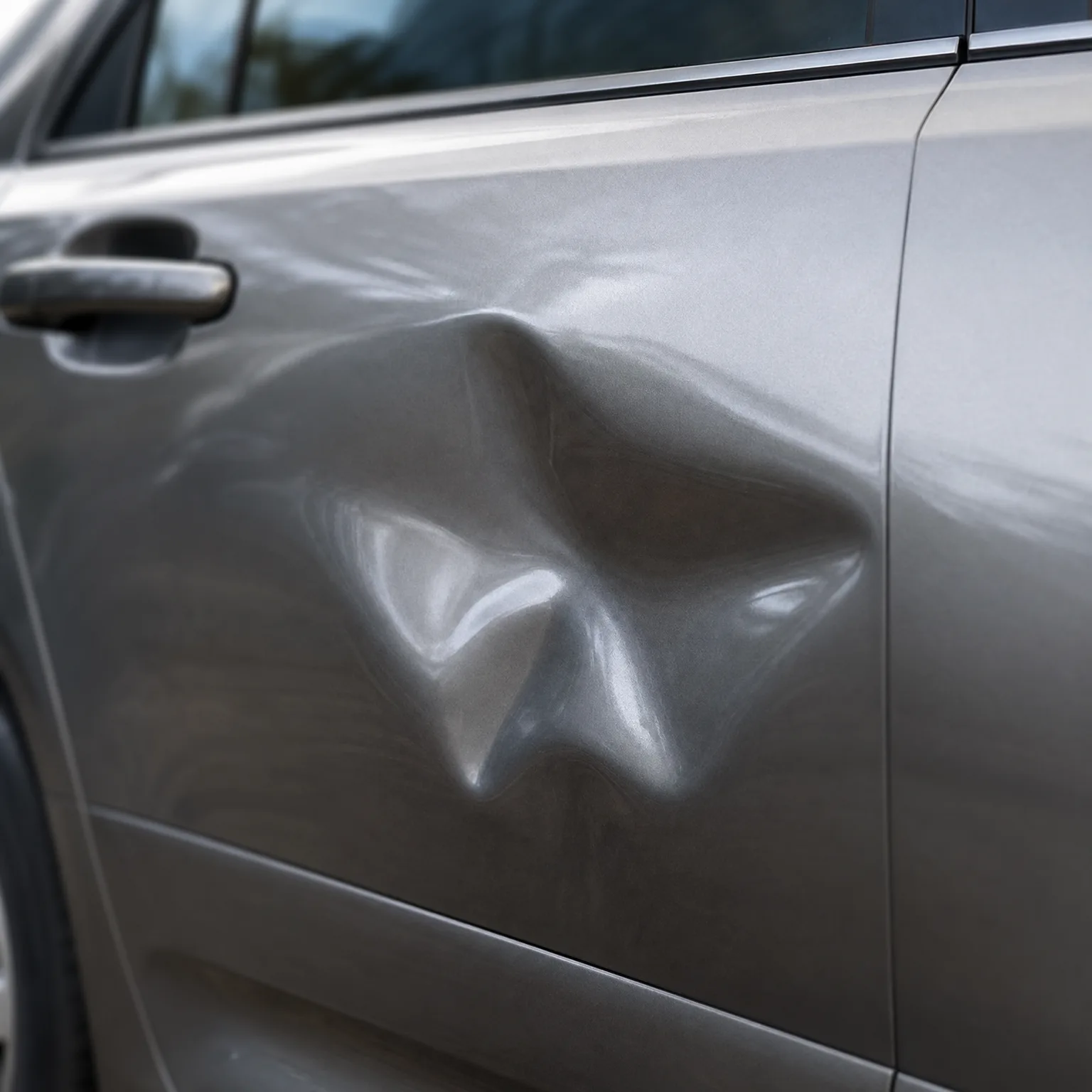
You wake up to find both doors on the driver's side keyed, long scratches down to the metal. You just moved, you don't know the neighborhood yet, and you're not sure if this is a one time thing or a sign of something worse. You call your insurer, and they ask if you have comprehensive coverage, which is the part of your policy that handles damage like this rather than the part that handles collisions with other cars.
You check your policy and confirm you have comprehensive coverage with a deductible you can afford to pay. You file a claim, get a repair estimate from a body shop, and the insurer pays for the repair above your deductible. The whole thing takes about two weeks from claim to finished repair. Afterward, you think about whether a garage or a different parking spot makes sense, since where you park now is different from where you parked before.
Will filing a vandalism claim raise my rates?
It can, but less predictably than an at fault accident. Comprehensive claims are treated differently by different insurers. Some use them to adjust your rate at renewal, especially if you file more than one, and some barely factor them in because the damage wasn't anything you caused or could have prevented.
What matters more than the single claim is your overall claims history and how your insurer weighs comprehensive claims specifically. If you're unsure, ask your insurer directly how a comprehensive claim affects your rate before you file, so you're not guessing. If the repair cost is close to your deductible, it may not be worth filing at all.
Now you know how vandalism claims work, so compare quotes to find an insurer that handles this coverage well.

Filing a Claim Versus Paying Out of Pocket
If you do
You pay your deductible, the insurer covers the rest, and the damage gets fixed properly through a body shop. The claim goes on your record and may affect your rate at renewal, depending on your insurer's rules. You get your car back in good shape without covering the full repair cost yourself.
If you don't
You pay the full repair cost yourself, or you leave the damage as is. Your rate stays untouched since no claim was filed. If the damage is minor or close to your deductible amount, this often ends up cheaper overall than filing a claim at all.
What Determines If You're Covered
- Comprehensive coverage This is the part of your policy that pays for vandalism, not collision coverage. Check your policy documents or call your insurer to confirm you have it, since it's optional in most states.
- Your deductible amount You pay this amount before the insurer pays anything. If the repair cost is near or below your deductible, filing a claim may not make financial sense.
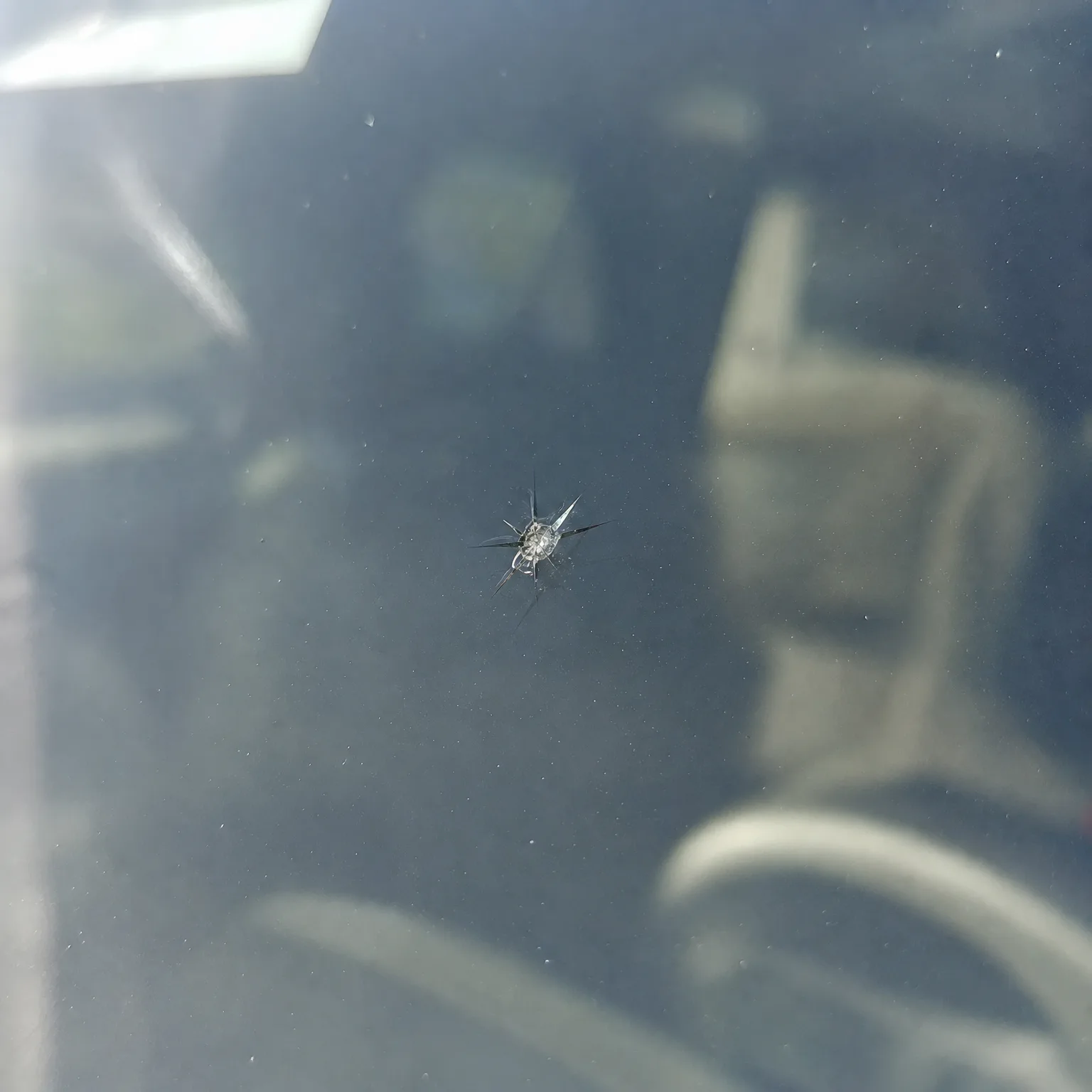
- What counts as vandalism Keyed paint, broken windows, slashed tires and spray paint typically qualify. Ask your insurer for examples specific to your policy if you're unsure whether your situation counts.
- Where you park matters now A new address can change your risk and your premium. If you have a garage or secure parking, tell your insurer, since it may lower your rate.
- How claims affect renewal Rules vary by insurer on whether comprehensive claims raise your rate. Ask directly before filing so you know what to expect at your next renewal.

This isn't an accident claim, it's a different coverage with its own rules, so don't assume it works the same.