What Happens if a Tree Branch Falls on My Car
If you carry comprehensive coverage, your own insurer pays for the damage no matter whose tree it fell from.
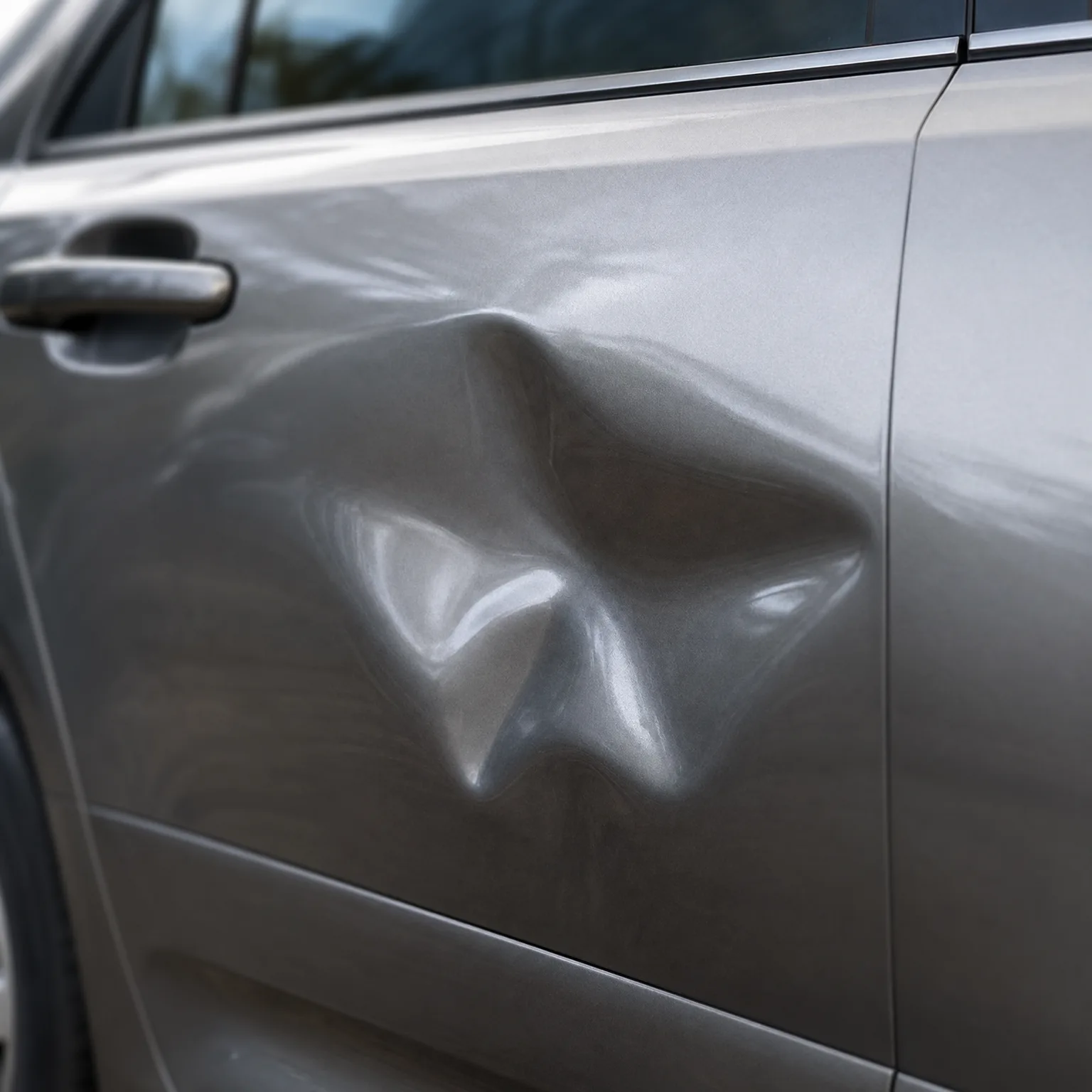
A storm, a snapped branch, and a dented roof
A windstorm knocked a large branch off a neighbor's tree and onto the roof of a car parked in the new driveway. The owner assumed the neighbor's homeowners policy would pay for it, since the tree belonged to them. That's not how it works. They called their own car insurer, who explained that comprehensive coverage handles weather and falling object damage regardless of fault, and that chasing the neighbor would only make sense if the tree had been visibly rotting or neglected beforehand.
They filed the claim, paid their deductible, and had the roof repaired. The insurer didn't ask who owned the tree or try to involve the neighbor at all. The whole process took about as long as any other repair claim. Afterward, they looked at their deductible amount and realized it was high enough that for a repair this size, filing almost didn't make sense, which became the real lesson for next time rather than anything about the tree itself.
Will my insurance rates go up after this claim?
Possibly, but less than you'd expect for an at-fault accident. Comprehensive claims, including weather and falling object damage, are generally treated as no-fault events because nothing you did caused them. Many insurers rate these claims more gently than collision claims, and some don't count a single comprehensive claim against you at all when it comes time to renew.
That said, insurers do look at your overall claims history, and filing multiple comprehensive claims in a short period can still affect your premium or how an insurer views your risk going forward. Rules on this vary by insurer, so it's worth asking directly how they treat weather-related claims before you file, especially if the damage is close to your deductible amount.

Once you know how a falling branch gets paid for, compare quotes to see which insurer handles it most affordably.

Deciding whether to file a claim for the damage
If you do
Your insurer inspects the damage and covers repairs above your deductible, and your rates may tick up slightly at renewal depending on your insurer's rules for weather claims. A rental car may be covered too, if you added that option. Expect a short repair delay if parts are backordered.
If you don't
You pay for the repair yourself, which makes sense if the cost is close to or below your deductible. No claim appears on your record, so your rates stay untouched. The tradeoff is covering the full cost out of pocket, including any hidden damage that shows up later.
Why your own policy pays, not the tree owner's
Car insurance separates damage you cause from damage that happens to you. A tree branch falling from wind, rot, or simple bad luck isn't something anyone directly caused, so it falls under comprehensive coverage, the part of your policy built for events outside anyone's control like weather, fire, or falling objects. Liability coverage only comes into play when another person's negligence is clearly responsible.
That distinction matters because it removes the need to prove who was at fault. You don't have to argue with a neighbor or their insurer about tree maintenance. You simply file with your own insurer, pay your deductible, and let them handle the repair. This is one of the few situations in car insurance where fault barely matters, which is part of why comprehensive coverage exists at all.
There's an exception worth knowing. If a neighbor knew their tree was dead, diseased, or likely to fall and did nothing about it, you may be able to pursue their homeowners liability coverage for costs beyond what your policy covers, like your deductible. This is rare and usually only works when there's clear evidence of neglect, not just an ordinary storm knocking down a healthy tree.
Whether comprehensive coverage is even on your policy is something to check now rather than after a storm. If you dropped it at some point to save money, or your lender no longer requires it now that the home and car are financed separately, you'd be paying for any tree damage entirely yourself.
Does it matter whose property the tree was on when it fell?
Not for your own claim, but it matters if you want to go after someone else's coverage. Your comprehensive coverage pays regardless of whose tree it was or where your car was parked. Ownership only becomes relevant if you try to recover your deductible from a negligent tree owner afterward, which requires proving they knew the tree was hazardous beforehand.
What if the branch falls on my car while it's parked at my own house?
It's treated the same as anywhere else, through comprehensive coverage. Location doesn't change how the claim works, whether your car was in a driveway, a garage, or a parking lot. What matters is whether you carry comprehensive coverage at all, so check your declarations page if you're unsure it's still on your policy after any recent changes.
Is it worth raising my comprehensive deductible now that I own a home?
It depends on how much savings you'd actually see versus how much you'd pay out of pocket for smaller claims like this one. Raising your deductible usually lowers your premium, but it also raises the bar for when filing makes financial sense. Compare the premium difference against a realistic repair cost before deciding, since insurers vary in how much they discount for higher deductibles.