What Happens if a Car Crashes Into Your House
The driver's auto liability coverage pays for the damage to your house, and your homeowners policy fills in any gaps.
What actually pays depends on these pieces
- Driver's liability coverage This is the first place a claim goes if someone else hit your house. Get the driver's insurance information and file a claim against their policy before touching your own.
- Your homeowners policy as backup If the driver has too little coverage or none at all, your homeowners policy can cover the structural repair. Call your home insurer early even if you think the other side will pay.
- Your home's deductible applies Using your own homeowners policy means paying your deductible first. Weigh that cost against waiting on the driver's insurer, especially if their coverage looks solid.
- Uninsured motorist coverage Some states let you use this part of your own auto policy when the driver has no insurance. Ask your insurer directly whether this applies where you live and what it covers.
- Documentation from day one Photos, police reports, and repair estimates decide how smoothly any claim moves. Start collecting these the moment it happens, before memories or evidence fade.
A driver loses control and hits the garage
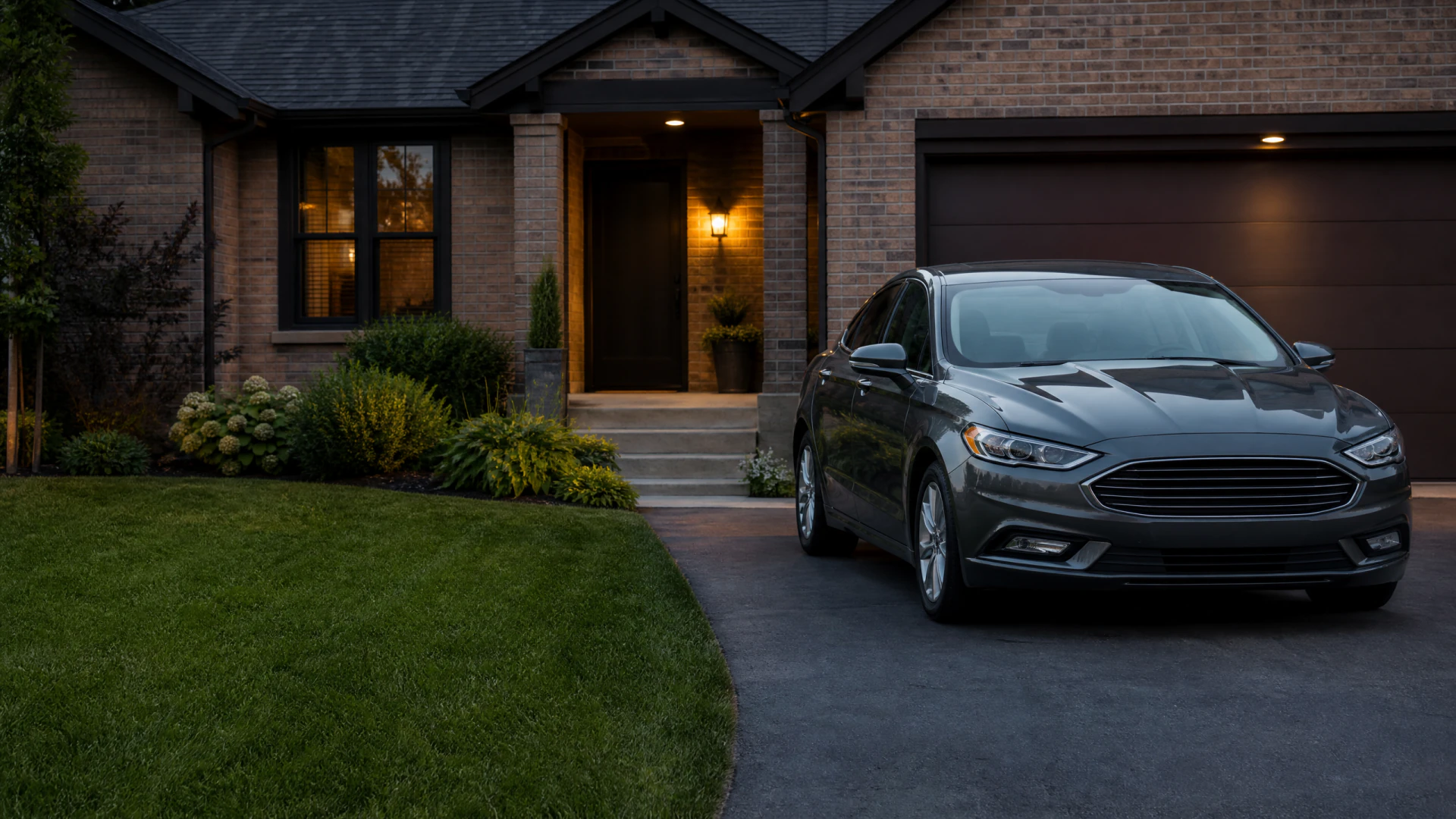
A driver swerves off the road one evening and drives straight into the attached garage, cracking the foundation and crushing a parked car inside. The homeowner calls the police to get an official report, then gets the driver's insurance information before anyone leaves the scene. They photograph everything, the car, the garage, the skid marks, and send copies to both their own insurer and the driver's insurance company that same week.
The driver's liability coverage turns out to be enough to cover the structural repair, but the claims process takes a few weeks longer than the homeowner expected because the other insurer has to send an adjuster out to confirm the damage. In the meantime, the homeowner's own insurer helps arrange a temporary fix for the garage opening so weather and animals can't get in further damage. Once the other driver's insurer approves the claim, repairs begin and the homeowner pays nothing out of pocket, aside from the cost of the temporary patch, which gets reimbursed later.
Whose policy pays depends on what the driver actually carries, so find that out before you assume anything.
Now that you know how a crash into your home gets paid for, compare quotes to close any gaps in your coverage.
Why the paperwork trail matters more than who's at fault
When a car hits a house, the legal responsibility almost always sits with the driver, not the homeowner. That means the driver's auto liability coverage is the primary source of payment, the same coverage that would pay if they'd hit another car or a fence. This is true no matter where you live, because liability for causing property damage while driving works the same way everywhere.
What changes by state and by insurer is what happens when that liability coverage isn't enough, or doesn't exist at all. Some drivers carry very little liability coverage, and some carry none. In that situation, your homeowners policy becomes the practical path to getting your house repaired, since it covers damage to the structure regardless of who caused it. You pay your deductible, but the claim moves on your own insurer's timeline instead of waiting on someone else's.
A few states also allow a piece of your auto policy, usually called uninsured motorist property damage, to step in when the at-fault driver has no insurance. Whether this exists, what it covers, and how it interacts with your homeowners deductible depends entirely on your state and your specific auto policy, so this is worth asking your insurer directly rather than assuming.
The underlying reason this gets complicated is that two separate insurance systems, auto and home, are both designed to cover different halves of the same event. The car caused the damage, so auto liability leads. The house absorbed the damage, so homeowners coverage can follow. Knowing this order ahead of time means you're not guessing who to call first when it actually happens.
Does my homeowners insurance go up if a car hits my house and I file a claim?
It can, especially if you use your own policy to pay for the repair rather than the driver's insurance. Filing any claim, even one caused by someone else, can affect your renewal depending on your insurer's rules. Ask your insurer how they treat claims where you weren't at fault, since some won't count them against you the same way. This matters most if the driver has little or no insurance and you have no other option.
Can I sue the driver directly instead of going through insurance?
Yes, you can pursue the driver personally, but it only makes practical sense if their insurance coverage falls short of the damage. Lawsuits take time and money, and collecting from an individual without enough insurance can be difficult even after winning. Most homeowners only go this route when the gap between repair costs and available coverage is large. Check with a local attorney if the shortfall is significant enough to justify it.
What if the driver who hit my house was underinsured, not completely uninsured?
The same gap-filling logic applies, you use what their liability coverage pays first, then look to your own policy for the rest. Whether your auto policy's uninsured or underinsured motorist property coverage applies here depends on your state and your specific policy terms. Some policies only kick in for injury, not property damage, so you'll want to check this distinction directly with your insurer before assuming you're covered.