What Evidence Helps in a Hit and Run Claim
The evidence that helps most is anything that identifies the other vehicle or confirms what happened, gathered right away.
Claims like this hinge on proof, not fault
A hit and run claim is different from a normal accident claim because there's no other driver to point to. Your insurer has to decide what happened based on what you can show them, which means the strength of your claim depends almost entirely on what you collect in the minutes and days after it happens.
Photos of the damage, the scene, and anything left behind like paint transfer or debris all help establish that something hit you and roughly how. If anyone saw it happen, their account matters too, even a partial description of the other car. A police report ties the event to a specific time and place, which insurers rely on heavily since they weren't there and can't verify your account any other way.
What counts as enough evidence varies by insurer and sometimes by state, especially around whether you need a police report filed within a certain window or whether an unknown driver can be treated differently from a known one who flees. Check your policy and your state's requirements before assuming any single piece of evidence is required or sufficient on its own.
In some cases, like a hit while parked with no witnesses, you may have very little to go on. That doesn't mean the claim fails. It means the insurer leans more on physical damage and the report itself, so filing quickly and documenting everything you can still matters even when you feel like you have nothing.
A parking lot scrape with no one around
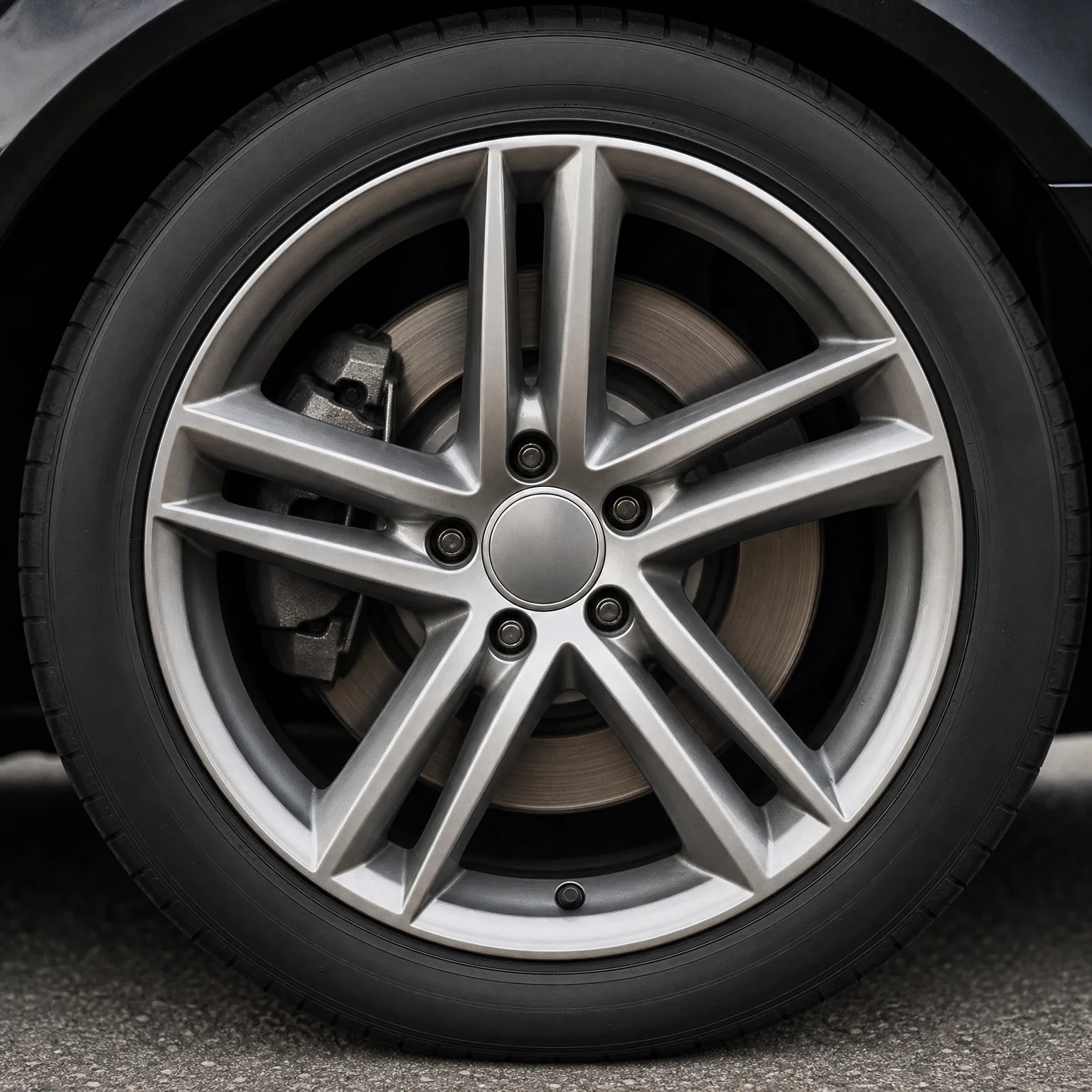
You come back to your car after an errand and find a long scrape down the side, with a smear of paint that isn't yours. No one is nearby, no note is left, and there's no camera pointed at the spot. You take photos right away, from several angles, including close-ups of the paint transfer and the damage itself, before anything gets wiped away or the car gets moved.
You file a police report the same day, even though you have no name or plate number, because the report timestamps the damage and documents that you reported it promptly. When you file the claim, you attach the photos and the report number. Your insurer reviews the physical evidence, confirms it's consistent with being struck by another vehicle rather than some other kind of damage, and moves the claim forward using your uninsured motorist or collision coverage, whichever applies under your policy. The outcome in cases like this often rests less on identifying the other driver and more on whether what you documented matches the kind of damage a hit and run typically leaves.

Now that you know what to document, compare quotes to see whether your coverage would actually respond if this happened.

Whether you document everything right away
If you do
You take photos immediately, get a police report filed, and write down anything you remember while it's fresh, like partial plate numbers or the direction the car went. Your claim moves faster because the insurer has concrete evidence instead of just your account, which strengthens your position from the start.
If you don't
You wait, move the car, or assume there's nothing to gather since you didn't see the other driver. Damage gets harder to document clearly, and memories fade fast. The insurer has less to confirm what happened, so the claim leans more on whatever physical evidence remains, which may be thinner than it needed to be.
Does uninsured motorist coverage cover a hit and run?
In many cases yes, since the other driver is effectively unidentified or unable to be held responsible, which is what uninsured motorist coverage is meant for. Whether it applies depends on your specific policy and state, since some treat hit and run claims under collision coverage instead. Check your policy wording for how it defines the unidentified driver scenario, since that determines which coverage responds and whether a deductible applies.
Will my rates go up after a hit and run that wasn't my fault?
It depends on your insurer and state, since some treat not-at-fault claims differently when the other party can't be identified or billed. Because there's no other driver to assign fault to, some insurers treat the claim more like a no-fault event, while others may still factor it in. Ask your insurer directly how a hit and run claim is classified before you file, since the answer changes how you weigh filing against paying out of pocket.
What if I can't find any witnesses or cameras near where it happened?
You can still file a claim using physical evidence alone, like damage patterns, paint transfer, and the timing of when you discovered it. A lack of witnesses doesn't disqualify a claim, it just means the insurer relies more on what the damage itself shows and on your police report. File promptly even without witnesses, since the timestamp and your documentation become the main evidence the claim rests on.
What you gather in the first minutes matters more than anything after, so treat the scene like it's temporary.