What Does Proof of Garaging Address Mean
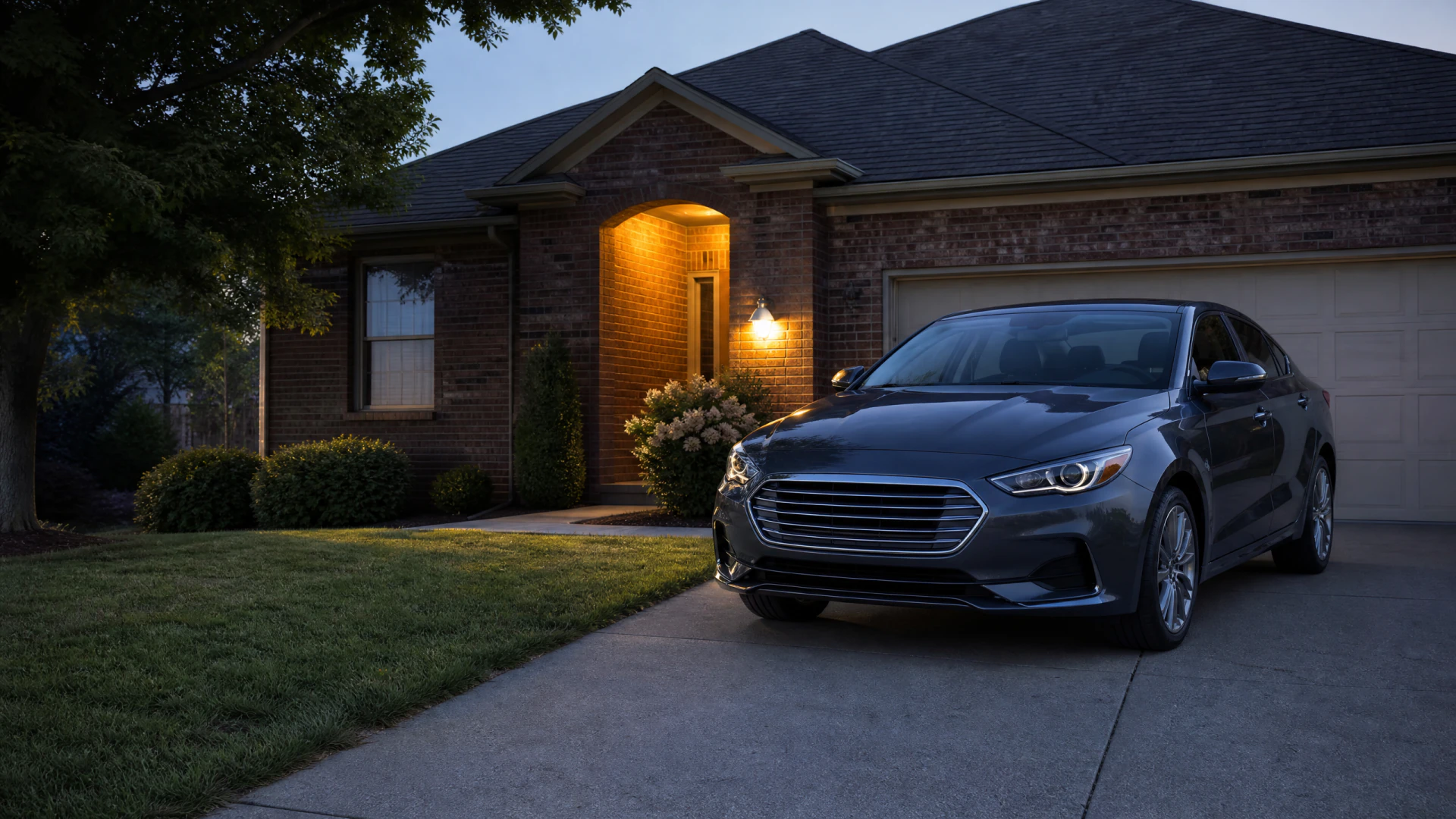
It means your insurer wants to confirm the address where your car actually sleeps at night, which is now your new home.
Your rate is tied to where the car sits overnight, not where you work
Insurers price a policy around risk, and a huge part of that risk is location. Theft rates, accident frequency, weather, even how often cars get broken into all shift from one zip code to the next. Garaging address is the insurer's way of pinning down which set of risks actually applies to your car, separate from your mailing address or where you're licensed to drive.
When you move, the place your car is parked overnight changes, and that can change your rate in either direction. A quieter suburban street with a driveway or garage often looks safer to an insurer than a dense area with only street parking. This is also why insurers ask about garaging separately from billing address. People sometimes use a relative's address for billing or a PO box for mail, but the car still sleeps somewhere specific, and that's the address that matters for pricing.
Proof of garaging is simply documentation that backs up the address you give them. A lease, a mortgage statement, a utility bill, or sometimes just matching your address on file with public records can satisfy it. Insurers ask for this proof because garaging address is self reported, and it directly affects price, so they want some confirmation it's accurate rather than chosen to get a lower rate.
What counts as acceptable proof, and how strictly it's enforced, varies by insurer and sometimes by state. Some will simply update your policy when you tell them you moved. Others may ask for documentation, especially if the new address is a big rate change from the old one. Check with your insurer directly about what they'll accept before you assume a document you have on hand will work.
Will my rate go up or down after I update my garaging address?
It depends entirely on how your new area compares to your old one, and there's no way to know without checking. A move from a dense urban area to a quieter suburb often lowers rates, while the reverse often raises them. Having a garage or driveway instead of street parking typically helps too, since it lowers the chance of theft or weather damage.
The only way to know for sure is to update your address with your insurer and see the new quote, or get quotes from a few insurers using your new address. Don't guess based on general reputation of an area. Insurers weigh local data specific to their own claims history, so two insurers can treat the same new address differently.
Once you know your correct garaging address, compare quotes using it so every insurer prices the same real situation.
What to handle now that you've moved
- Update your address immediately Don't wait for renewal to tell your insurer you moved. Driving with an outdated garaging address can affect a claim, so update it as soon as you have your new address confirmed.
- Check if you need proof Ask your insurer directly whether they require documentation for the change. Have a lease, mortgage statement, or utility bill on hand in case they do.
- Mention a garage or driveway If your new home has covered or off-street parking and your old place didn't, tell your insurer. This can lower your rate and won't happen automatically unless you report it.
- Reconsider bundling Now that you have a homeowners policy, ask your insurer or a few others what bundling would do to your car insurance cost. It's worth comparing against separate policies.
- Shop around with new address Rates can shift enough after a move that your old insurer is no longer the best option. Get quotes from a few insurers using your new garaging address before renewing.
A couple moves from an apartment to a house with a driveway
A couple had been renting an apartment downtown with only street parking for their one car. After buying a house in a quieter part of town with a driveway, they called their insurer to update their mailing address for billing but didn't think to mention the garaging change. Their rate stayed about the same at renewal, which surprised them since everyone had told them moving to a quieter area should help.
A few weeks later they called back specifically about the garaging address and mentioned the driveway. The insurer asked for a copy of their mortgage statement to confirm the new address, updated the policy, and the rate dropped at the next billing cycle. The lesson for them wasn't that their insurer had made a mistake, but that garaging address and mailing address are treated as separate pieces of information, and updating one doesn't automatically update the other.
Your mailing address and garaging address are different facts to your insurer, and only one sets your price.