What Do Insurance Companies Not Want You to Know
The biggest lever is one you control directly: how much shopping around you do once your address and coverage actually match reality.

What shapes your price more than people admit
- Your address is doing work Where you park overnight changes your rate on its own. Update it now so your coverage and price both match where you actually live.
- Bundling isn't always cheaper Combining home and auto can lower the total, but not always, and not with every insurer. Ask for the bundled price and the separate prices side by side.
- Old limits were set for old you Limits from years ago may not match the assets you're protecting now. Check them against what you'd lose if you were sued after an accident.
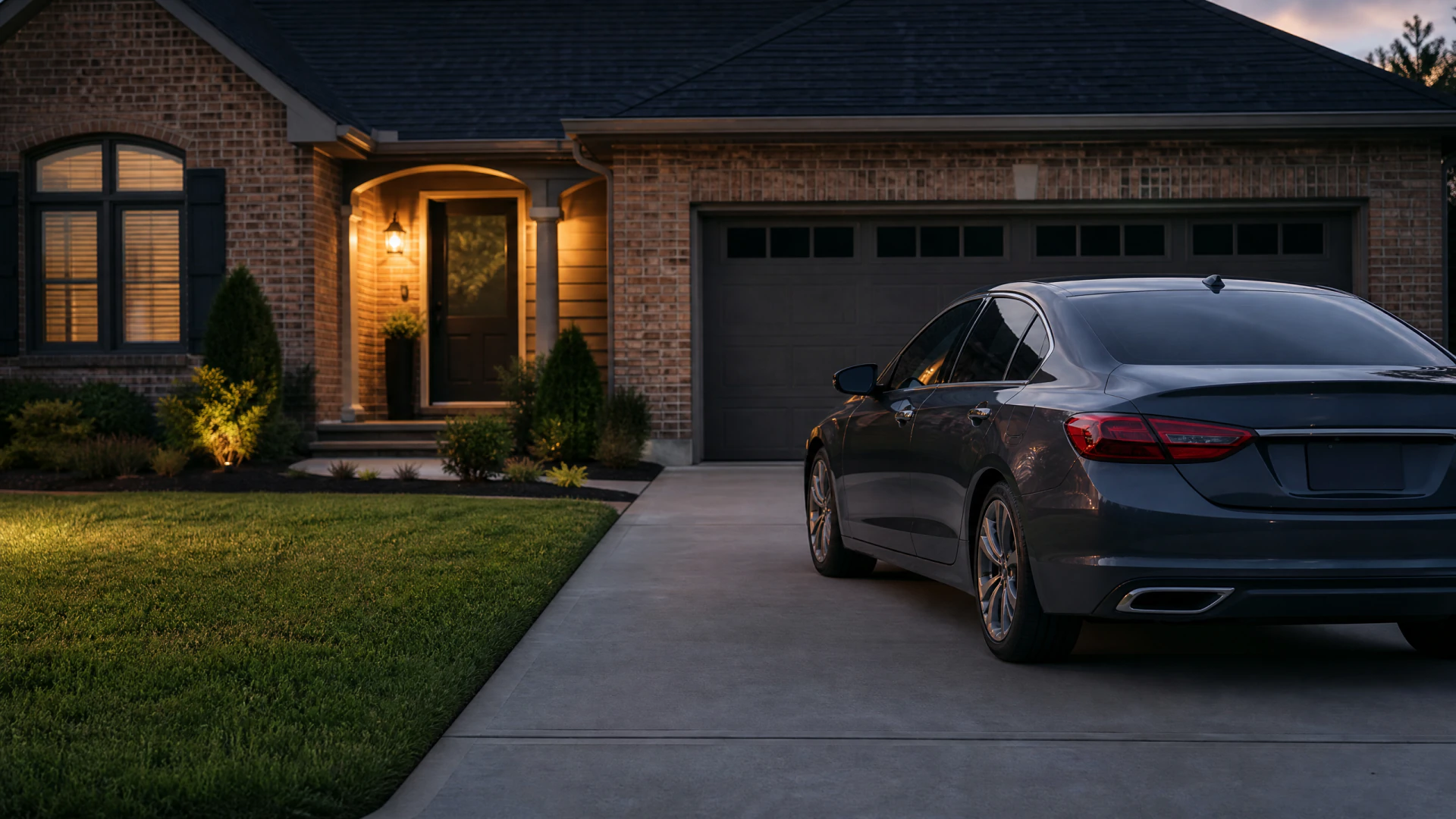
- A garage is worth mentioning A car parked in a garage instead of a driveway can lower your rate. Tell your insurer if your new home changed this.
- Loyalty isn't always rewarded Staying with the same insurer for years doesn't guarantee the best price, it sometimes means the opposite. Get a comparison quote even if you plan to stay.

The short version
No insurer is hiding a secret discount from you. The real answer is that price depends on details you control, like address, garage use, and limits, and those only stay accurate if you update them. Update your policy for the move, then get a comparison quote before you renew.
Will switching insurers actually save me money?
Maybe, and the only way to know is to ask for a real quote with your current details. Insurers price risk differently from each other, so the same person can get different numbers from different companies for identical coverage.
This is especially true right after a move, because your risk profile just changed and your current insurer may not have repriced you accurately yet. A new insurer quoting you fresh, with your new address and current limits, might land somewhere your old policy never adjusted to.
The only way to find out is to compare. Not comparing costs you nothing in effort but can cost you money every single month you stay on a policy priced for your old situation.
Now that your details are updated, compare quotes to see what your current situation actually costs elsewhere.

A couple who bundled without checking the math
A couple bought their first home and their lender required a homeowners policy. The agent who sold them that policy offered to bundle it with their car insurance, and it sounded easier, so they said yes without comparing it to anything. They figured bundling was always cheaper since that's what they'd always heard.
A few months later, once the move settled down, they got a separate quote just for the car insurance from a different company, keeping the home policy where it was. The separate car insurance quote came in lower than what they were paying as part of the bundle, even after accounting for the home policy's standalone price. They switched the car insurance and kept the home insurance separate, ending up with a lower total than the bundle had offered. The lesson they took wasn't that bundling is bad, it was that they should have asked for both prices before deciding, instead of assuming the bundle was automatically the better deal.
Why the same policy can cost different people different amounts
Insurance pricing is built on risk, and risk is built on details. Two people with identical cars and identical driving records can pay different amounts because their address, their garage situation, or their claims history differ in small ways that add up. None of this is secret, it's just not something most people think to ask about until something changes, like a move.
When your life changes, your risk profile changes too, but your policy doesn't update itself. The insurer isn't obligated to go looking for ways to lower your bill, and most don't, because there's no requirement that they proactively reprice you when your situation improves. The responsibility to report changes, and to ask about new discounts, sits with you.
This is also why bundling and loyalty don't behave the way people expect. Bundling can lower your total price because insurers sometimes reduce the per-policy cost when you hold more than one with them, but the size of that reduction varies by insurer and sometimes it doesn't beat two separate best-priced policies. Loyalty can actually work against you in some cases, because insurers sometimes price renewals for existing customers differently than they price new customers, and that difference isn't the same at every company.
Where this plays out differently depends on your state and your insurer. Some states limit how certain factors can be used in pricing, and some insurers weigh garage use or address differently than others. None of that changes the basic logic, which is that accurate, current information and a real comparison are what get you the right price. Check your state's rules and your insurer's specific policies if you want the exact mechanics behind your own number.
Does my credit score affect my car insurance rate?
In many places, yes, insurers can use credit-based scoring as one factor in pricing, though this varies by state and some states restrict or ban it entirely. Check whether your state allows it and ask your insurer directly whether it's part of your rate. If it is, improving your credit over time could lower your price, and if your state bans the practice, this isn't a factor you need to think about at all.
How often should I actually get a new comparison quote?
Anytime something in your life changes that affects risk, like a move, a new car, or a change in how much you drive, plus a general check every year or two even if nothing obvious changed. Rates shift even without a change on your end, because insurers adjust pricing based on broader trends. If it's been a while since you compared, that alone is a reason to do it now.
Will my rate go up just for asking for a quote from another company?
No, getting a quote doesn't affect your current policy's price and doesn't count against you. Your existing insurer won't know you shopped around unless you tell them, and requesting quotes elsewhere has no bearing on your current rate. The only way your price changes is if you actually switch or if your current insurer reprices you at renewal for unrelated reasons.