What Do I Need to Get Car Insurance Over the Phone
Have your address, vehicle, driver and current policy details ready, and the call will take just minutes.

A new homeowner calls to add their house to the policy
After closing on the house, one half of the couple called their insurer to update the address on the car policy, since the lender wanted proof of homeowners coverage and it seemed like a natural time to check everything at once. Before calling, they pulled up the mortgage paperwork for the new address, found their car's registration for the VIN, and had last year's policy declarations page open on their laptop so they could answer questions about current limits without guessing.
The agent asked about the garage situation, since the car would now sit in a driveway instead of street parking, and asked whether both partners still drove the same amount. That second question mattered because one partner had started taking the train to a new job near the house. The agent recalculated the rate on the spot, mentioned that bundling the new homeowners policy with the car policy was available, and asked if they wanted a quote for that too. The whole call took under twenty minutes, and they left with an updated policy and a comparison number for bundling to think over before deciding.
The short version
To get a quote or update a policy over the phone, you need your address, the vehicle's details, who drives it and how much, your current coverage limits, and your driving history. Have your current policy and vehicle registration nearby so you're not guessing. Call with those ready and the conversation moves fast.
Will changing my address over the phone raise or lower my rate?
It depends on where you moved, not just that you moved. Insurers price by location because claims patterns, theft rates, and repair costs differ by area, so a quieter neighborhood or a garage can lower your rate, while a busier zip code can raise it.
The only way to know is to ask during the call, since the agent can run the new address against your current coverage immediately and tell you the difference. If the change raises your rate, ask what would lower it, since adjusting your deductible or confirming the garage parking can sometimes offset the increase. Don't skip updating it even if you're nervous about the number, because driving with an old address on file can cause problems if you ever file a claim.
Once you know what to bring to the call, compare quotes with your updated details to see where you actually stand.
What to have ready before you dial
- Your new address This determines part of your rate and needs to match where the car is actually kept. Have the exact address, including unit number, written down before you call.
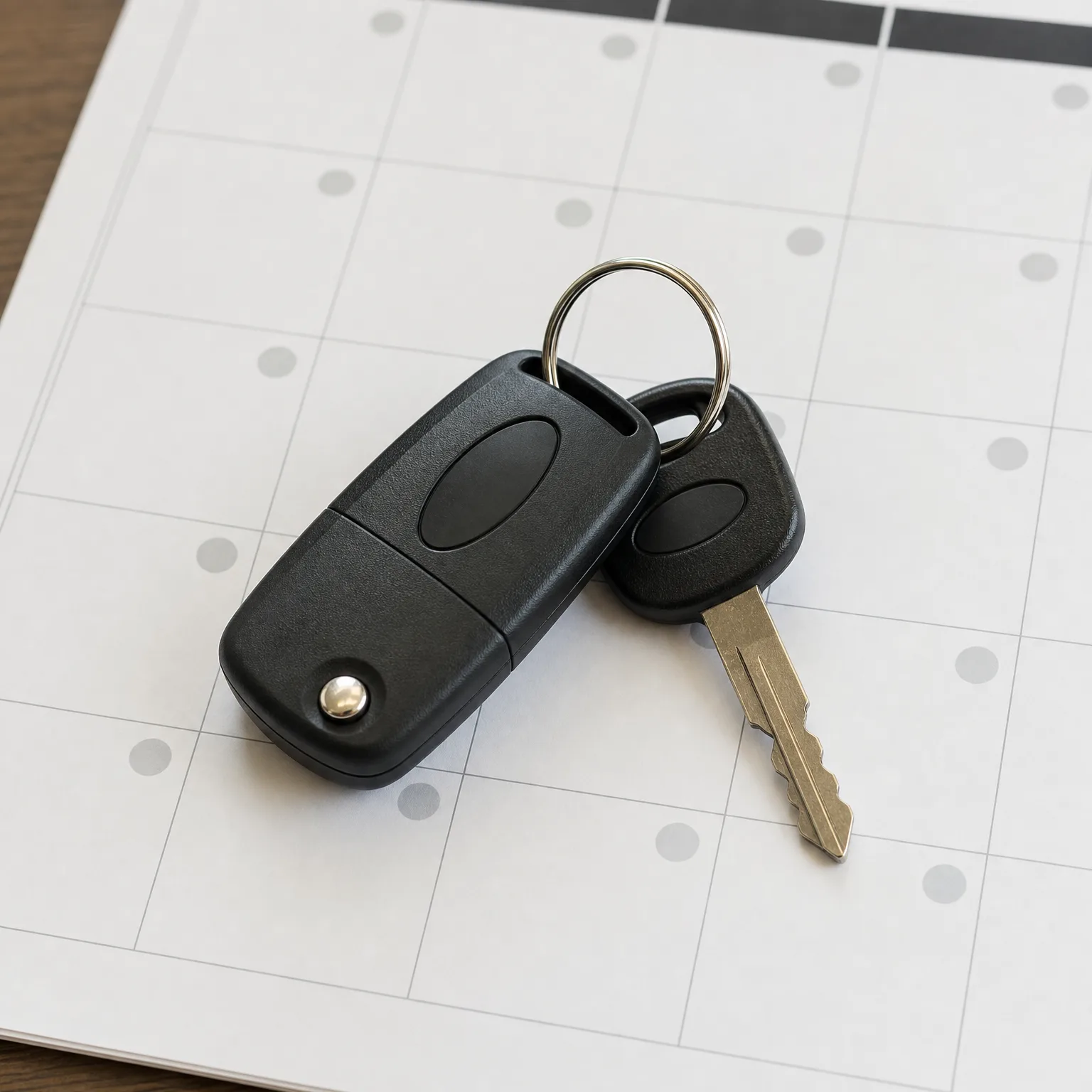
- Vehicle details The agent will ask for the make, model, year and VIN to confirm coverage matches the car. Keep your registration or title nearby so you can read it off directly.
- Who drives the car Rates depend on who's behind the wheel and how often, not just who owns the policy. Be ready to say whether both of you drive regularly or if one person drives far less than before.
- Current coverage limits The agent needs to know what you have now to tell you what changes. Pull up your last declarations page so you're not guessing at numbers.
- Garage or driveway situation Where the car sleeps at night affects theft and damage risk. Know whether it's in a garage, driveway, or street parking at the new place.
Why the phone call needs these specific details
Car insurance pricing is built from risk factors tied to the car, the driver and the place. Your address isn't just a mailing label, it's a proxy for the roads you'll drive, the weather you'll face, and how often cars like yours get stolen or damaged nearby. That's why the first thing any agent asks after your name is where the car actually lives now.
The driver details matter for similar reasons. Insurers price based on who's driving and how much, since more time on the road means more exposure to a claim. If your move changed your commute, even slightly, it's worth mentioning, because a shorter commute or a shift to public transit can sometimes lower your rate, and the agent won't know unless you say it.
Your current policy numbers matter because the agent is often adjusting an existing policy rather than starting fresh, and they need the starting point to show you an accurate before and after. Without your current limits, any comparison they give you over the phone is just a guess, not a real quote.
What varies is how much documentation an insurer wants in the moment versus later. Some will update your policy over the phone with just your word on these details, others will ask you to confirm vehicle information against the title or send proof of the new address afterward. Check with your insurer directly on what they require before or after the call, since this differs by company.