What Do I Do if a Car Crashes Into My House
Call your homeowners insurer first, because the damage to your house is their job, not your car insurer's.
Handle it in this order so nothing gets missed
- Call the police You need a police report to establish what happened and who was driving. This becomes the document both insurers will ask for, so get it before anything else.
- File with homeowners insurer Your home policy covers the structural damage to your house, not the driver's car insurance. Open that claim right away so repairs and temporary housing, if you need it, can start moving.
- Get the driver's insurance info The driver's auto liability coverage is what eventually pays your homeowners insurer back. Get their name, insurer and policy number at the scene if you can, or from the police report after.
- Don't wait for reimbursement Your homeowners insurer pays you, then seeks reimbursement from the driver's insurer through subrogation. You don't have to wait for that process to finish before your own repairs begin.
- Ask about your deductible You may owe your homeowners deductible upfront, which your insurer may recover later if the driver's insurer pays. Ask your insurer directly how that works under your policy.
A car through the living room wall
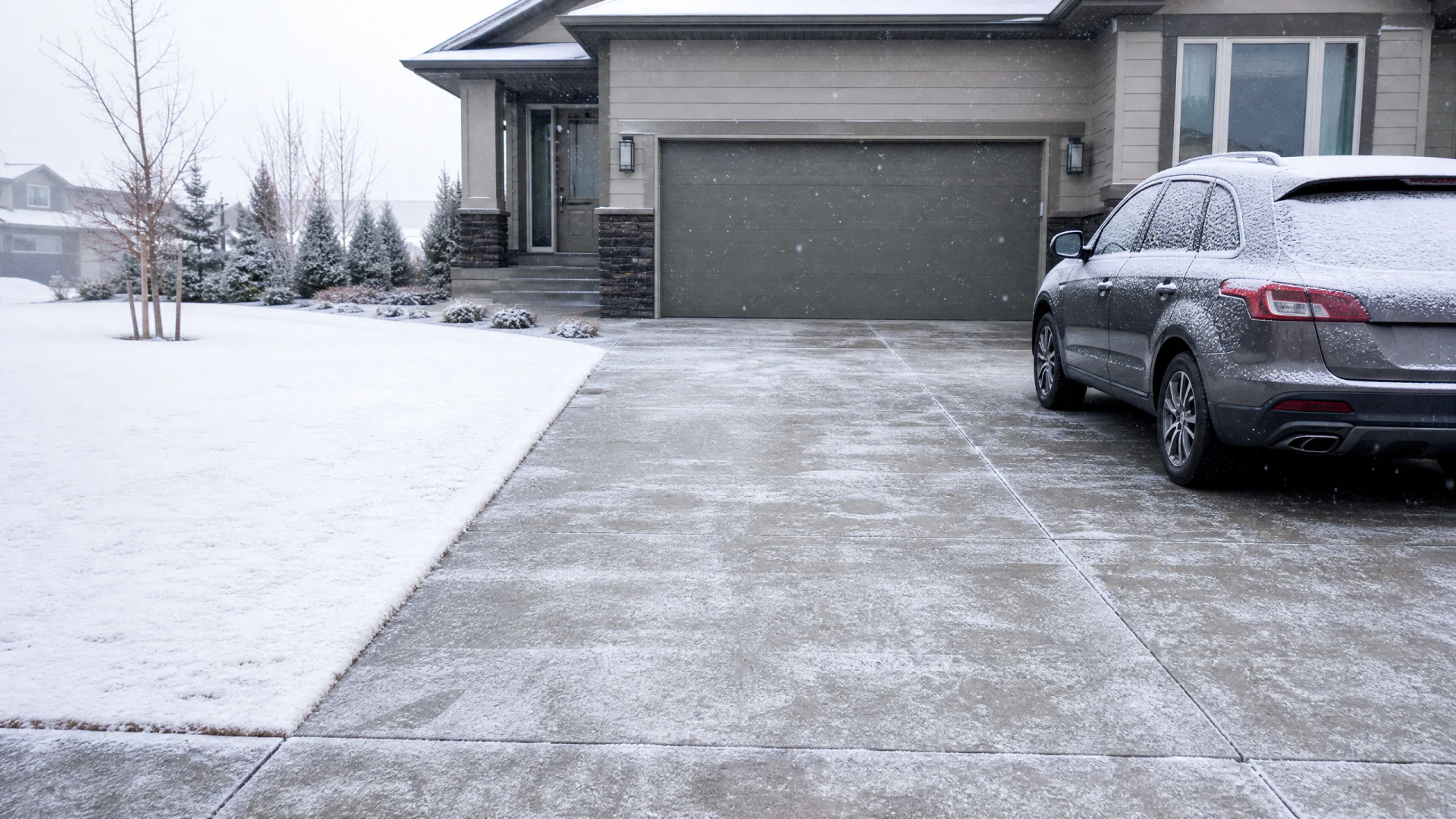
A driver lost control on an icy road and hit the corner of a house, crushing part of the living room wall and a support beam. The homeowners called their homeowners insurer that night, filed a claim, and had an adjuster out within days to assess the structural damage. They also called the police, who had already filed a report at the scene naming the driver and her insurer.
The homeowners insurer paid for temporary bracing and then the full rebuild, since the damage was severe enough that waiting wasn't an option. Months later, the homeowners insurer recovered its payout from the driver's auto liability insurer through subrogation, and the homeowners got their deductible back as part of that settlement. The family never dealt with the driver's insurer directly. Their only job was documenting the damage and staying in touch with their own insurer.

Once you know how a claim like this gets paid, compare quotes to see your coverage is strong enough for it.

Whether you file with your own homeowners insurer right away
If you do
Repairs start fast because your insurer pays you directly, then chases the driver's insurer later. You may owe your deductible upfront, but it's often returned once subrogation finishes. Your house gets fixed without waiting on another company's timeline.
If you don't
You're left negotiating directly with a stranger's auto insurer, which can take far longer and leave your house damaged in the meantime. Auto liability claims from the driver's side move slower and your home repairs could stall for weeks.
Will my homeowners insurance rates go up after this?
Usually not, because the crash wasn't your fault and the claim gets reimbursed by the driver's insurer. Insurers generally look at whether a claim was caused by you or your property, not whether a claim was filed at all, so a clear-cut subrogation case like this one is treated differently than, say, a fire or a burst pipe you caused.
That said, this varies by insurer and sometimes by state, so it's worth asking your insurer directly how they classify claims where they expect to be reimbursed. If the driver was uninsured or underinsured, your insurer might not fully recover its costs, and that could change how the claim is treated. Ask before you assume either way.

The house is your homeowners insurer's job and the driver's insurer pays for it, so keep those two straight.