What Discounts Can Lower Car Insurance Costs
The discounts that matter most now are bundling your new home policy and reporting how you actually use each car.

These discounts move the needle after a move
- Bundling home and auto Insuring your house and cars with the same company often brings the biggest single discount available. Ask your current insurer for a bundled quote before you assume switching is required.
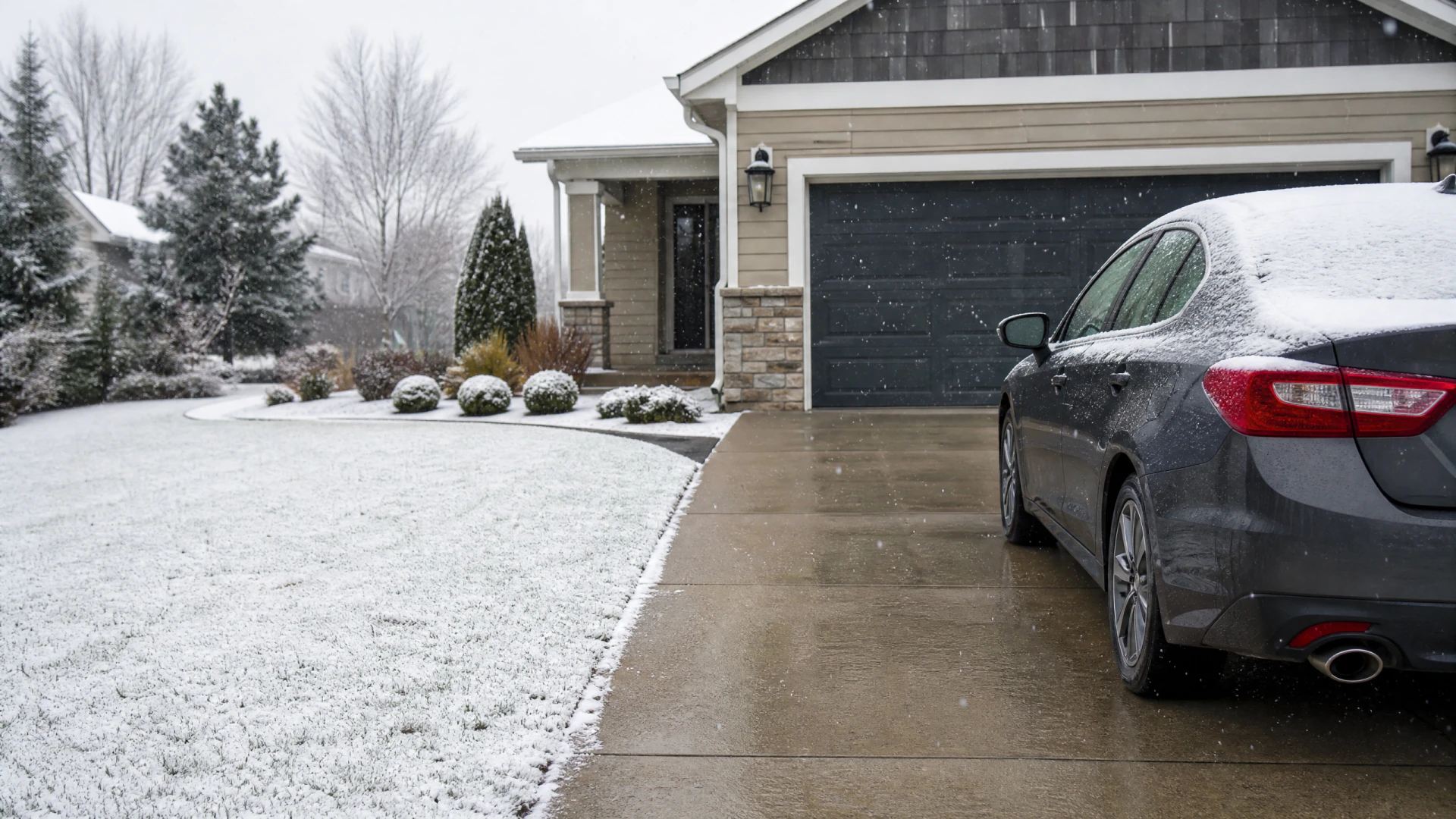
- Garaging your car A car parked in a garage overnight usually costs less to insure than one parked on the street. Tell your insurer about the garage, since it won't apply itself.
- Low mileage or new commute If your new commute is shorter, or you're driving less than before, you may qualify for a reduced rate. Update your estimated annual mileage so the policy reflects your real driving.
- Safety and anti-theft features Factory-installed safety equipment and anti-theft systems can qualify for a discount you're already paying for through the car itself. Check if your insurer has this on file, since older policies sometimes miss it.
- Paying in full or by autopay Some insurers lower the price simply for paying the full term upfront or enrolling in automatic payments. Ask directly, since this discount often isn't advertised.
Do discounts disappear if I switch insurers?
No, but they reset. Every insurer has its own list of discounts and its own way of applying them, so moving to a new company means requalifying rather than losing ground for good.
This is actually where switching can help you. If your current insurer never counted your garage or your shorter commute, a new insurer starting fresh might apply both from day one. The reverse is also true, so a discount you've had for years with one company may not exist at another.
The only way to know is to ask each insurer directly what discounts they offer and which ones you currently qualify for. Don't assume continuity in either direction. Treat every quote as a fresh chance to get credit for things about your situation that may have changed.

Compare quotes now that you know which discounts to ask for, so you can see who actually applies them.
A couple settles into a new house and finds a lower rate
A couple bought their first home and kept their car insurance exactly as it was from their old apartment. Their new place has an attached garage, their commute is shorter, and their lender required a homeowners policy from a company that also sells car insurance. None of that was reflected anywhere on their existing auto policy.
They called their new homeowners insurer and asked for a bundled auto quote. In the process, they mentioned the garage and the shorter drive to work. The quote came back lower than their current premium, not because the company was cheaper across the board, but because it counted things their old policy never asked about. They switched both policies to the same insurer, confirmed the garage and mileage were noted correctly, and kept the paperwork in case their commute changes again.
Discounts price risk, they don't reward loyalty
An insurer's core job is estimating how likely you are to file a claim and how much it might cost. Every discount is really a signal that lowers that estimate. A garaged car is less exposed to weather and theft. A shorter commute means fewer miles where something could go wrong. Bundling means the insurer has more information about you and more to lose if you leave, so they price it to keep you.
This is why discounts aren't universal. Each insurer builds its own model of risk, weighs factors differently, and decides which discounts are worth offering. One company might reward low mileage heavily and barely acknowledge anti-theft devices. Another might do the opposite. Neither is wrong, they're just different bets on what predicts claims.
It's also why nothing applies automatically. Insurers rely on you to report changes. If you move and don't mention the garage, or your commute shortens and you don't update your mileage, the policy keeps pricing you as if nothing changed. The system assumes silence means no change, not that you forgot to ask.
The cases where this works out differently usually involve state rules or underwriting guidelines that cap or restrict certain discounts. Some states limit how much a bundling discount can reduce a premium, or restrict pricing based on certain factors entirely. Check your state's insurance department or ask your insurer directly which rules apply where you live, since this varies and isn't something you can assume from general principles.

Discounts don't apply themselves. If you don't report the change, the price doesn't move.