What Can I Do if Someone Steals My Car Keys
Call the police first, then your insurer, because a stolen key often changes what your policy will pay.
A spare key taken during a break-in
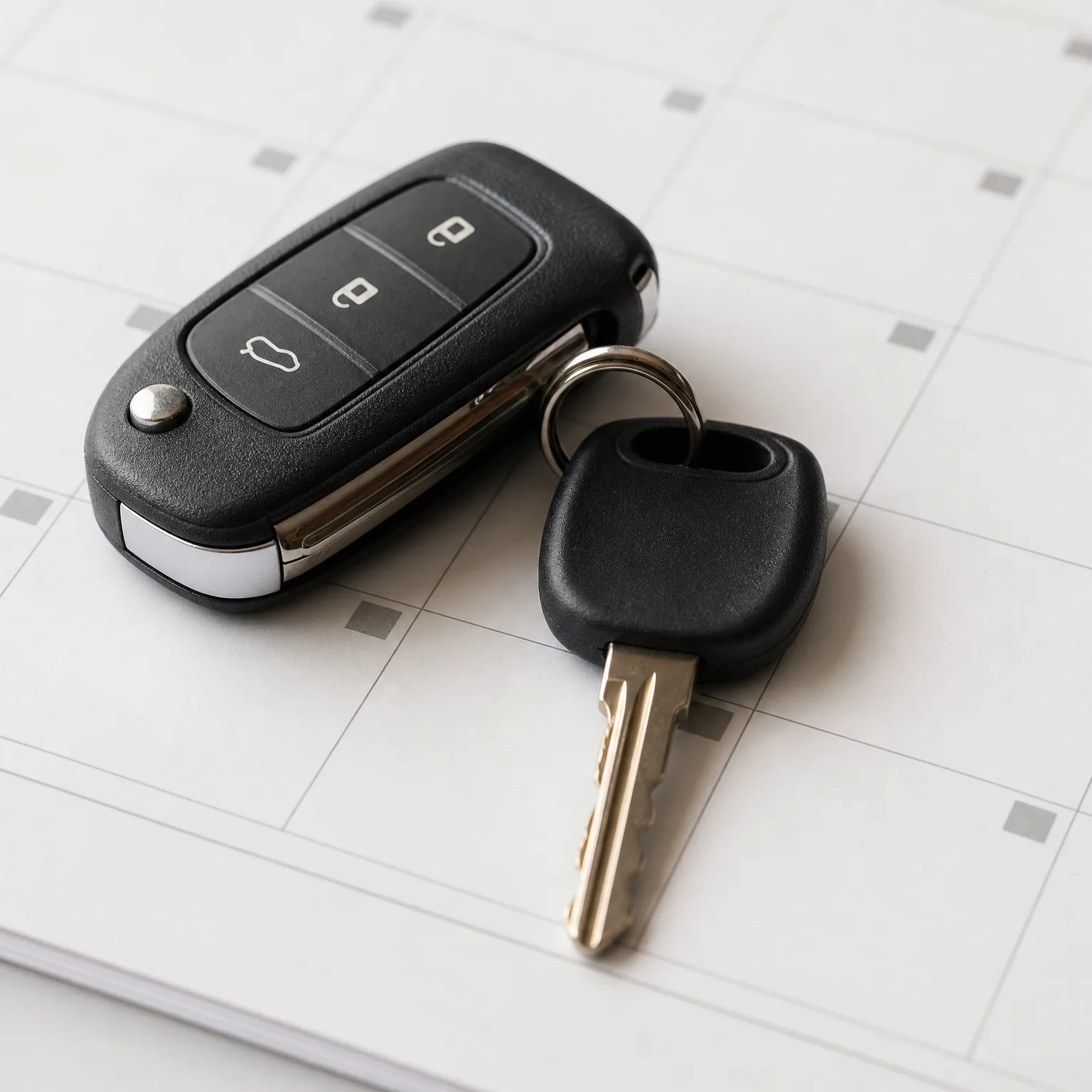
A couple came home from a weekend trip to find a side window broken and a spare key missing from a kitchen drawer. The car itself was still in the driveway, untouched, but they had no way of knowing if whoever took the key had copied it or planned to come back. They called the police that night to file a report, since they needed the report number for the insurance claim and wanted an official record of when the theft happened.
The next morning they called their insurer to ask about rekeying the car and changing the locks, since a stolen key can let someone drive off without any sign of forced entry later. Their insurer covered part of the rekeying cost because they reported it quickly and had comprehensive coverage already in place. They also changed the garage code and let their neighbor know what happened. Within a few days the locks were changed, the claim was filed, and they felt confident the spare key floating around somewhere couldn't be used against them.
Will my insurance go up if I file a claim for stolen keys?
It might, but not always, and it depends more on the claim history than on this one event. A single claim for a rekeying cost or a lock change is usually small compared to a theft or accident claim, so the impact tends to be modest.
What actually matters is whether you file a claim at all versus paying out of pocket. If the rekeying cost is close to what you'd pay in a higher premium over the next year or two, it may not be worth filing. Call your insurer and ask them to estimate the difference before you decide, since they can see your specific policy and claim history better than any general rule can tell you.
Once the car is secured and the theft is reported, compare quotes to confirm your coverage still fits.

Whether you report the stolen keys right away
If you do
You get a police report number and a timestamp that backs up your insurance claim. Your insurer can start covering a rekey or lock change sooner, and if the car is later stolen using that key, you already have a paper trail showing it wasn't your fault or negligence.
If you don't
You have no official record if the car disappears later, and your insurer may question why you waited. A delayed report can slow down or complicate a claim, and you're left guessing whether someone still has access to your car.
Why a stolen key is treated differently than a stolen car
A stolen key isn't a stolen car, but it's the thing that makes a car theft possible without any sign of forced entry. That distinction matters because insurers and police both look for evidence of what happened. A broken window or a pried lock tells a clear story. A missing key tells you something happened, but not when the car might be taken or by whom, so the response is about closing that risk rather than just documenting a loss.
This is why rekeying matters more than most people expect. Modern cars often use electronic key fobs, and simply changing a physical lock may not be enough if the fob itself can start the engine. Check with the dealer or manufacturer about what a full rekey involves for your specific car, since the process and cost vary a lot by make and model.
Insurance coverage for this depends on what policy you have. Comprehensive coverage typically handles theft-related costs, including rekeying in some cases, but liability-only policies usually don't. Check your policy documents or call your insurer directly to see whether rekeying, lock changes, or a stolen vehicle itself would be covered, since this varies by insurer and by state.
The cases where this plays out differently usually involve timing and intent. If you lost the keys yourself with no sign of theft, that's a different conversation than a break-in or a mugging where keys were taken by force. Insurers may ask for different documentation in each case, and some reports, like a stolen wallet with a key fob photo in it, raise different concerns than a simple missing spare. Tell your insurer exactly what happened so they can match you to the right process.
Does homeowners insurance cover a stolen car key?
Sometimes, but it depends on your specific policy and where the key was taken from. If the theft happened inside your home, like a break-in where a key was taken from a drawer, your homeowners or renters policy might cover related costs such as a broken window or stolen valuables, though the car itself is usually handled by your auto policy.
Check both policies and call each insurer, since coverage boundaries between home and auto policies vary and sometimes overlap in ways that aren't obvious until you ask directly.
How much does it cost to rekey a car after keys are stolen?
It varies widely depending on your car's make, model, and whether it uses a traditional key or an electronic fob. Dealerships and locksmiths price this differently, and newer cars with keyless entry systems tend to cost more to rekey than older cars with simple metal keys.
Call your dealer or a trusted locksmith for a specific quote, and ask your insurer at the same time whether any portion of that cost is covered under your current policy.
Should I report stolen keys to insurance even if the car wasn't taken?
Yes, because the risk isn't the keys themselves, it's what someone could do with them later. Reporting it creates a record and lets your insurer advise you on rekeying before anything happens to the car.
This matters most if you have comprehensive coverage, since that's typically what would handle a theft if the stolen key is used later. Call your insurer to ask what they recommend and whether early reporting affects any future claim.