What Brings Car Insurance Quotes Down
Your new address, your garage, your bundle and your limits all move the price, but usually not in the direction you'd guess.
A couple settles their first house and their first renewal together
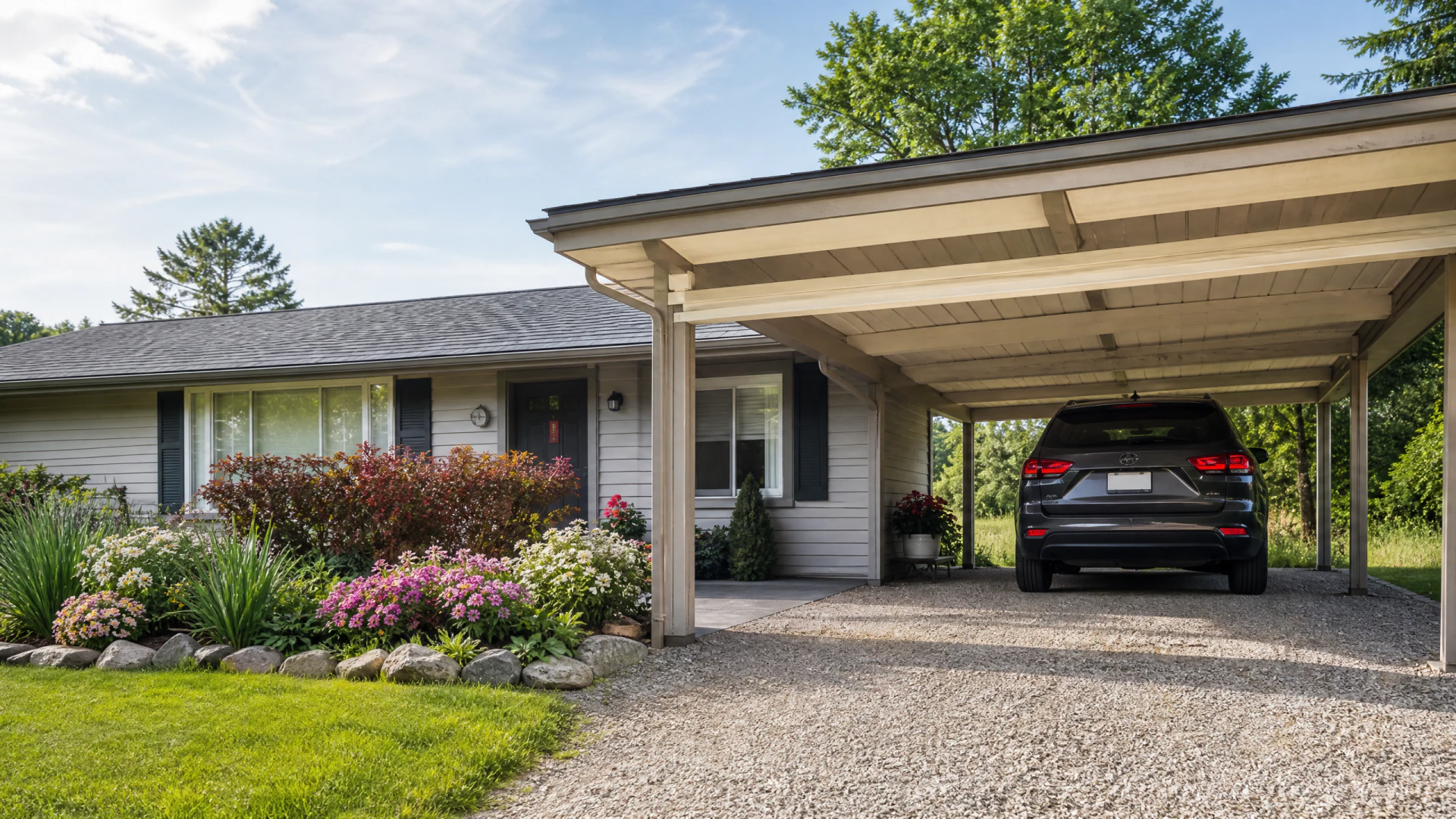
They closed on the house in late spring and the homeowners policy came with the mortgage paperwork, done in a week because the lender insisted. The car policy sat untouched, still listing the old apartment, still priced for a commute that no longer existed. One of them worked from home now, the other drove further than before. They had two cars, one parked on the street at the old place and now both sitting in a garage at the new one.
They called their insurer first, mostly to update the address, and the agent asked whether they wanted a bundled quote since they now had a homeowner policy to pair it with. They said yes, mostly out of curiosity. The new quote came back lower, not because of the bundle alone but because the garage, the shorter commute for one car, and the zip code all shifted in their favor at once. They still shopped two more quotes before renewing, just to see the bundled price held up, and it did.
Does bundling home and auto always save money?
No, not always, and you shouldn't assume it until you see both numbers side by side. Bundling often brings the price down because insurers like keeping more of your business under one roof and price accordingly, but the discount only matters if the underlying auto quote was competitive to begin with.
Sometimes a bundled price is still higher than what a separate insurer would charge you for the car alone, especially if your homeowners carrier isn't particularly strong on auto in your state. The only way to know is to get the bundled number and an unbundled number from at least one other place and compare them directly. Treat bundling as a discount to test, not a decision to make on faith.
The quote reflects an older version of you, from before the move, and that version doesn't exist anymore.
Compare quotes now that you know what actually moves the price, with your address, garage and bundle options in mind.

Whether you update everything before you shop around
If you do
You give every insurer the same accurate picture, so the quotes you get back are genuinely comparable. You catch savings tied to the garage, the new commute, or a lower-risk zip code immediately. You avoid a claim later being delayed or questioned because your address or vehicle use didn't match what you told them.
If you don't
You'll get quotes based on outdated details, so the numbers look like they're comparing insurers when they're really comparing guesses. You might miss a legitimate discount tied to your new situation. Worse, if you file a claim with the wrong address or commute on file, the insurer may question it or delay paying out.
Why these changes move the price the way they do
Insurers price a policy based on risk, and risk is mostly about where the car sits and how it's used. A garage lowers the chance of theft or weather damage compared to street parking, so insurers treat it as a real reduction in exposure, not a courtesy. A new zip code changes the math too, because claims history, accident rates, and even local repair costs vary block by block in ways that have nothing to do with you personally.
Commute distance matters because more time on the road is more exposure to a claim, plain and simple. If one of you now drives less, or not at all for work, that alone can bring a quote down, and it's worth stating explicitly rather than letting the insurer assume your old commute still applies. This is one of those details people forget to update because it doesn't feel like insurance information, it feels like a lifestyle detail, but it's exactly what insurers price on.
Bundling works differently. It's not about risk at all, it's about retention. Insurers discount a bundle because a customer who buys two policies from them is less likely to leave for a cheaper price elsewhere, and keeping you costs them less than acquiring a new customer. That's why the discount can be real and still not be the cheapest option available, because the saving is about loyalty, not about your actual risk profile.
Limits work differently still. Raising your liability limits increases your premium, it doesn't lower it, but it can lower your total cost in a real sense by protecting you from paying out of pocket after an accident. What changes the quote and what changes your actual financial exposure are two different questions, and this move is a good time to ask both. Check your state's minimum requirements and your insurer's bundling rules, since both vary and affect what's actually available to you.