What Are the 6 Basic Components of Car Insurance
A car policy is built from six coverages, each handling a different loss, so knowing them tells you what you're actually paying for.
Each coverage answers a different question about who pays
Car insurance isn't one thing, it's a bundle of separate promises, each triggered by a different kind of event. Liability covers damage and injury you cause to others. Collision covers damage to your own car in a crash, regardless of fault. Comprehensive covers damage from everything that isn't a crash, like weather, theft, or hitting an animal. Medical payments or personal injury protection covers injuries to you and your passengers. Uninsured motorist coverage steps in when the other driver has no insurance or not enough. These pieces exist separately because they cover different risks, and insurers price and pay them out independently.
This structure matters once you own a home, because your situation now has more at stake if something goes wrong. A lender doesn't require car coverage the way they required your homeowners policy, but your own finances now carry more exposure, a mortgage, savings tied up in a down payment, less room to absorb a surprise repair bill. The six components let you decide where you want protection and where you're comfortable taking the risk yourself.
What varies is how much of each coverage your state requires, and what your lender or lienholder requires if you're still financing the car. Some states mandate minimum liability limits and nothing else. Some require uninsured motorist coverage. If you have a loan on the vehicle, the lender will typically require collision and comprehensive, since they have a financial stake in the car itself. Check your state's minimum requirements and your loan agreement before you decide what to adjust.
Where people get this wrong is assuming more components always means better protection. That's not quite right. The right mix depends on what you own, what you drive, and what you could afford to replace out of pocket. A newer car in a driveway in a new neighborhood might justify different choices than the same car did before you moved.

A couple rechecks their coverage after the move
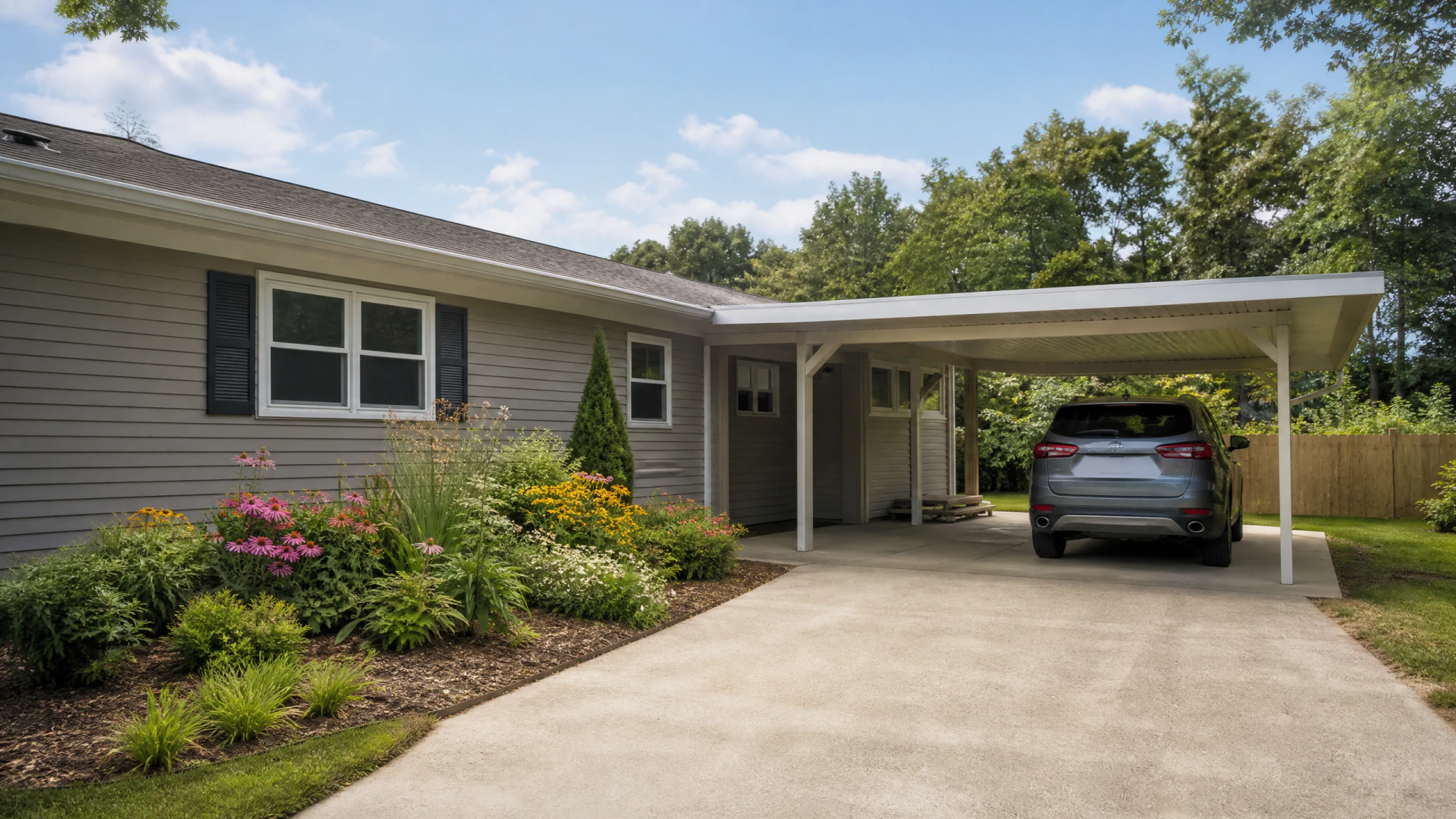
A couple bought their first house and moved from an apartment with street parking to a house with a garage. Their car insurance was still set up from years earlier, with state minimum liability and no collision or comprehensive, because the car had been older and parking on the street made comprehensive feel less necessary. After the move, they sat down to figure out what to update.
They checked their new state's minimum liability requirements, since crossing into a new zip code sometimes means different rules, and confirmed their limits still met them. They also noticed the car was now garaged overnight instead of parked outdoors, which lowered its exposure to weather and theft, something worth mentioning when they requested quotes. They decided to add comprehensive coverage given the car's value, kept liability limits a little higher than the minimum since they now had a mortgage and more to protect financially, and skipped medical payments coverage since their health insurance already covered them well. The whole process took one evening, and they ended up with a policy that matched where they actually lived instead of where they used to.

Now that you know what each coverage does, compare quotes with the limits and additions you've decided you need.

Reviewing all six components now versus leaving the policy as is
If you do
You find gaps or overlaps right away, like missing uninsured motorist coverage or comprehensive you don't need anymore. You can match limits to your new address and the car's situation, like a garage. You walk into quotes knowing exactly what to ask for, instead of guessing at round numbers.
If you don't
Your policy keeps running on choices made for a different address, car, or life stage. You might be missing coverage your lender requires on a financed car, or paying for coverage that no longer fits, like comprehensive on a car you sold. Nothing forces a recheck until a claim exposes the gap.

The six components and what each one actually pays for
- Liability Pays for damage or injuries you cause to others, not your own car. Check your new state's minimum limits, since they vary by state.
- Collision Pays to repair or replace your car after a crash, no matter who caused it. Worth it if replacing the car yourself would strain your finances.
- Comprehensive Covers non-crash damage like theft, weather, or animal strikes. Reconsider it if your car is now garaged, since the risk may have dropped.
- Uninsured motorist Covers you if the other driver has no insurance or too little. Check whether your state requires this, since rules differ widely.
- Medical payments or PIP Pays medical costs for you and passengers after a crash. Check for overlap with your health insurance before deciding how much to carry.
Your policy should match where you live and own now, not choices made years ago in a different situation.