What Are the 5 Steps to Secure Your Vehicle
Securing your vehicle comes down to five habits that lower your real risk, which is the thing your insurer is actually pricing.
Insurers price what's likely to happen, not what you intend
Every step you take to secure a vehicle changes the odds of a claim, and your premium is built from odds. A car parked on a street in a new neighborhood you don't know yet is a different risk than one parked in a locked garage, even if nothing else about you changed. That's why the same driver can see a different number just from a move.
The five steps work because they each remove a common path to a claim. A garage or secured driveway removes exposure to weather and theft. Visible deterrents and alarms remove the easy opportunistic theft. Tracking systems help recover a stolen car fast enough to avoid a total loss. Keeping the car locked and keys away from entryways removes the single most common way cars are actually stolen now. None of these stop every possible event, but together they shift you into a lower-risk pattern.
Where this varies is in how much any one step actually moves your price. Some insurers give a direct discount for an alarm or tracking device, others fold it into a broader risk score, and some don't ask at all. A few states limit what factors can be used this way. You won't know what applies to you until you ask your insurer directly what they credit and what they just assume.
The exception is when your risk was already low. If you already parked in a garage in a low-theft area, adding a tracking device may do little to your price even though it's still a good idea. Security steps help most when they're closing a real gap, not adding a second layer onto one that wasn't there.
The five steps that change your real risk
- Park it under cover A garage or covered carport protects against weather damage and opportunistic theft. Ask your insurer if a garaged car gets a different rate than one parked on the street.
- Lock it every time Most modern car theft starts with an unlocked door or a key left inside. Make locking up a habit, and keep spare keys away from entryways and windows.
- Add a visible deterrent Steering wheel locks, dash cams and alarms discourage opportunistic theft before it starts. Mention any of these to your insurer, since some count toward a discount.
- Install a tracking system A tracking or recovery device helps get a stolen car back before it's totaled, which matters to you and your insurer. Ask specifically whether this one qualifies for a lower rate.
- Reassess after you move A new zip code changes your theft and weather risk even if your habits don't change. Tell your insurer your new address and parking situation so your policy reflects where the car actually lives now.
A couple who moved from a secured lot to a driveway
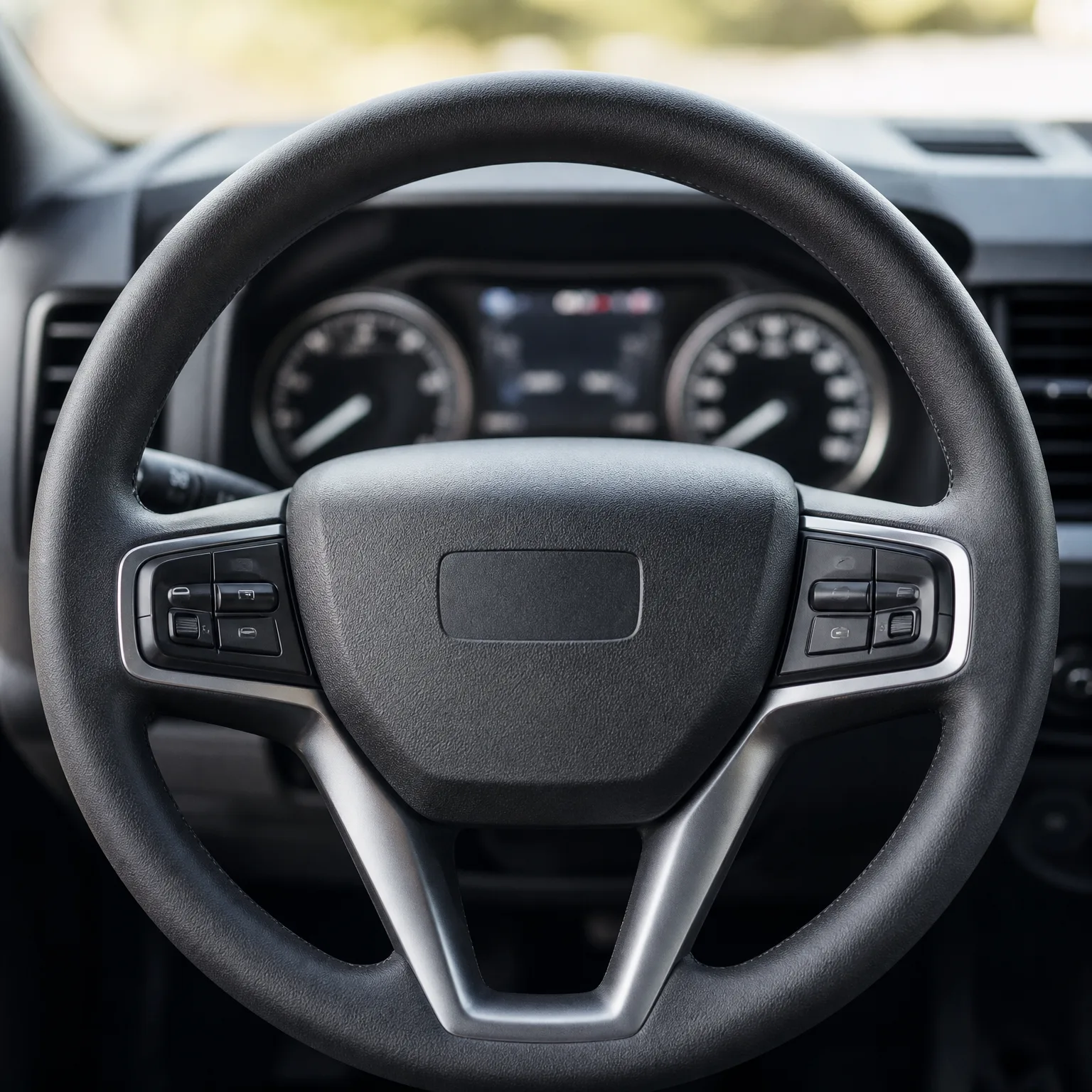
A couple who just bought their first home had been parking in a gated apartment lot for years. The new house has a driveway with no garage, in a neighborhood they're still getting to know. When they called to update their address on the policy, the agent asked where the car would be parked overnight, since that detail matters as much as the move itself.
They hadn't thought about adding a steering wheel lock or checking whether their insurer offered anything for a tracking device, since none of that had been relevant in the old apartment. They added a basic deterrent, asked the insurer directly what discounts applied to their new setup, and found out the tracking device already built into one of their cars qualified for a small credit they hadn't been using. The update didn't make the risk disappear, but it brought their policy in line with how the car actually lives now, and it gave them a clear answer before they shopped around for new quotes.
Once you've locked in how you're securing the car, compare quotes to see what that's actually worth.
Will any of these five steps actually lower my premium?
Some will, but which ones and by how much depends entirely on your insurer. A garage, an alarm, or a tracking device might come with a direct discount from one company and be treated as background information by another.
The only way to know is to ask your current insurer exactly what they credit, then ask the same question when you compare quotes elsewhere. Don't assume a step is worthless just because one insurer didn't move your price for it, since another might weigh it differently.
Does a tracking device actually lower my car insurance rate?
Sometimes, depending on the insurer and the device. Some companies offer a direct discount for verified tracking or recovery systems, since it reduces how often a stolen car becomes a total loss. Others fold it into a general risk score without a separate line item. Check with your insurer by name, and ask if the device needs to be professionally installed or registered to count.
Do I need a garage to get a better car insurance rate?
Not necessarily, but where you park does affect your rate in most cases. A garage reduces weather and theft exposure, and some insurers price that in directly. If you don't have one, a locked driveway or a well-lit, monitored area can still help. Ask your insurer how they classify parking situations, since the categories aren't the same everywhere.
How do I know if my new neighborhood raised my insurance risk?
Ask your insurer directly, since they price by zip code using theft, weather and claims data you don't have access to. A new address almost always triggers a rate recalculation, even if nothing else about your car or driving changed. If the new area has higher claims history, your premium may reflect that regardless of your own habits.