What Are Good Questions to Ask an Insurance Agent
Ask about your new address, bundling, and coverage limits before you renew or switch, since all three just changed at once.
Good questions target the things that just changed in your life
An agent's job is to match coverage to your actual situation, but they can only do that if you ask about the parts of your situation that are different now. You moved, so your rating territory changed. You own a home now, so bundling and umbrella coverage became relevant in a way they weren't before. The agent won't always volunteer this, especially if you're a quick phone call or an online quote, so the questions you bring are what surface it.
The reasoning underneath this is that insurance pricing is built from risk factors, and a move resets several of them at once. Where your car is parked overnight, how far you commute, local accident and theft rates, and even state minimum requirements can all shift with a new zip code. None of this is visible to you unless you ask directly, because a renewal notice will just show a new number without explaining why.
The cases where this works out differently usually involve how much has actually changed. If you moved a few miles within the same metro area and nothing else about your household changed, the answers may be straightforward and the agent can confirm quickly that little needs adjusting. If you moved to a different state, added a garage, or combined two cars where there used to be one, the conversation gets longer and the questions matter more, because more variables moved at once.
Either way, the goal of asking is to leave with a clear picture of what's driving your price, not just a lower or higher number. Once you understand the drivers, comparing quotes from other insurers becomes a much faster and more confident process.
A homeowner calls to update an address and asks three more questions
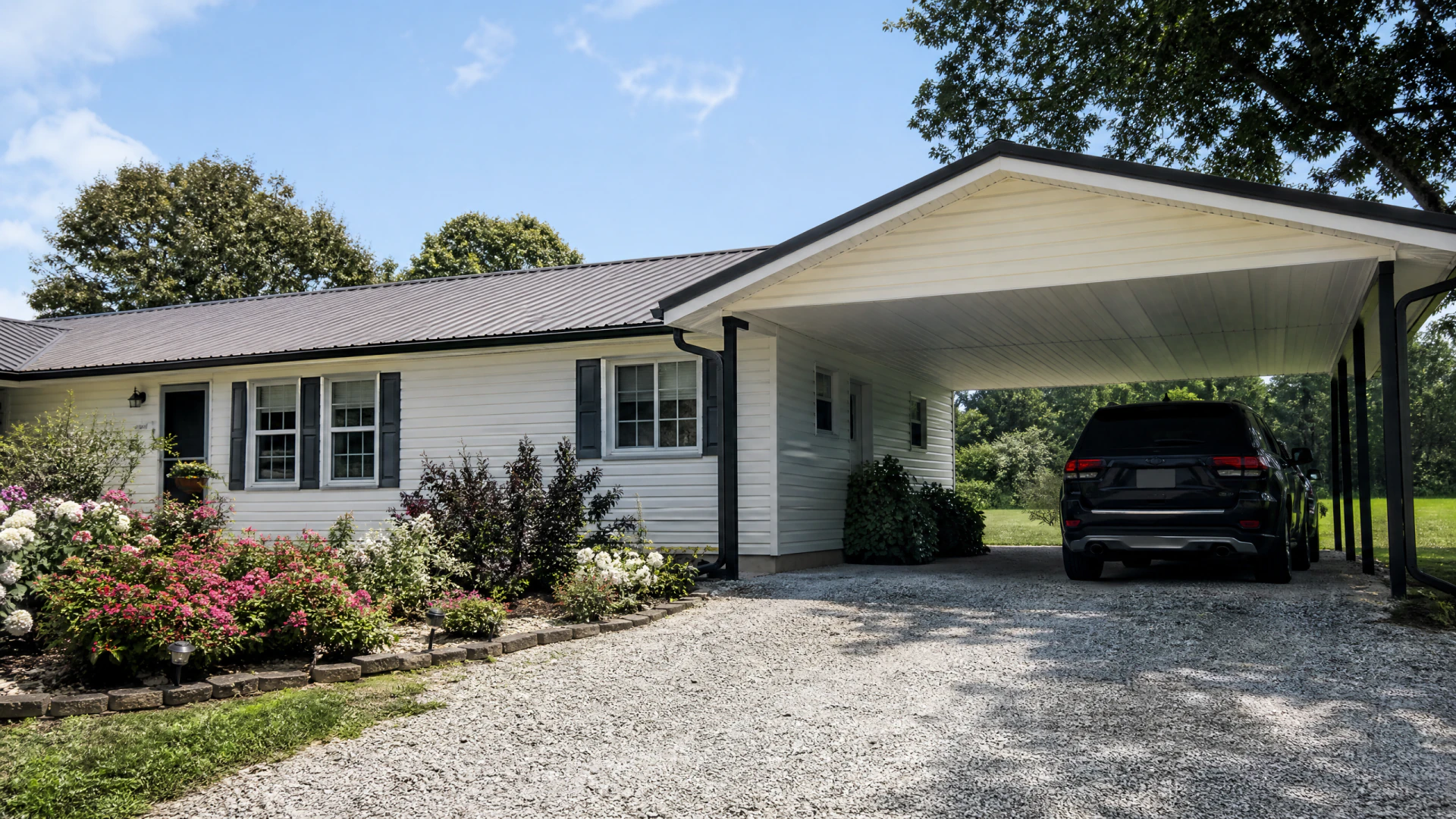
A couple who'd just closed on their first house called their existing insurer to update the address on their auto policy. The agent took the basic update in a minute, but the couple had prepared three questions beforehand. They asked whether having a garage now instead of street parking should lower their premium, whether bundling the new homeowners policy with their auto coverage would save money, and whether their liability limits still made sense now that they had more assets tied up in a house.
The garage question led the agent to adjust their rating and shave a bit off the premium. The bundling question opened a real comparison between staying separate and combining policies, which the couple hadn't considered until they asked directly. The liability question prompted the agent to explain that their old limits were set when they had little to protect, and that owning a home changed what made sense. By the end of the call, the couple had concrete numbers to compare against quotes from two other insurers, and they felt confident evaluating offers instead of just picking whichever sounded cheapest.

Now that you know what to ask, compare quotes with those same questions and see which insurer answers them best.

Whether you prepare questions before you call or shop
If you do
You walk into the conversation with a list covering address, garage, bundling, and limits. The agent answers each one directly, and you leave knowing exactly what changed your price and why. That same list works identically when you call other insurers for quotes, making the comparison fair and fast.
If you don't
You ask the agent to update your address and move on. The call is quick, but you never learn whether a garage lowers your rate, whether bundling helps, or whether your limits still fit your new financial picture. You end up comparing prices without understanding what's behind them.
These questions cover what actually changed when you bought a home
- New address rating Ask how your new zip code affects your premium and why. This tells you whether the change is about distance, local risk, or something else you can influence.
- Garage or driveway parking Ask if parking off the street lowers your rate. If it does, make sure the policy reflects where the car actually sits overnight.
- Bundling with your home policy Ask for a combined quote alongside separate quotes. Bundling sometimes helps, but only a side by side comparison tells you if it helps here.
- Liability limits as a homeowner Ask whether your current limits still make sense now that you have a home to protect. More assets usually mean more exposure if you're at fault in an accident.
- Future rate change triggers Ask what would cause your rate to move again, like adding a driver or a car. Knowing this ahead of time means fewer surprises later.
Should I bundle my home and auto insurance or keep them separate?
It depends on whether the combined price beats the sum of separate best prices, which you can only know by comparing both. Bundling sometimes simplifies billing and qualifies you for a discount, but the discount doesn't always outweigh what you'd pay with the single best insurer for each policy. Ask your current insurer for a bundled quote, then get separate quotes elsewhere for home and auto individually. Compare total cost, not just the discount percentage, and check whether claims service for either policy would change if bundled. If one insurer is clearly cheaper and better rated for one of the two policies, separate coverage might still win.
Will my car insurance go up because I moved?
It can go up or down, because your new address changes how your risk is calculated, and the direction depends on the specific area. Insurers look at factors tied to location like accident rates, theft rates, and even weather patterns in that zip code. Check your renewal notice or ask directly what changed in your rating factors after the move. If you moved to a denser area or a region with higher claims history, expect an increase. If you moved somewhere quieter with off street parking, a decrease is possible, so ask specifically rather than assuming either direction.
Do I need an umbrella policy now that I own a home?
Maybe, and the answer depends on how much you have to protect beyond what your auto and home liability limits already cover. An umbrella policy extends liability coverage past your existing limits, which matters more once you have home equity and other assets that could be at risk in a lawsuit. Ask your agent what your current combined liability limits add up to and compare that against your total assets including home equity. If there's a meaningful gap, an umbrella policy is worth pricing out. If your existing limits already cover your net worth comfortably, you may not need one yet.