What Are Common Car Insurance Mistakes
Most costly mistakes happen because your policy still reflects your old address, old car count, or old life, not your new one.
The mistakes that actually cost you money
- Leaving your old address on file Your rate is tied to where the car actually sits overnight, not just your name on the title. Update your address the day you move, even before you unpack.
- Skipping the bundling check Buying your home and car policies separately can mean paying more than combining them with one insurer. Ask for a bundled quote before renewing either policy alone.
- Keeping limits from years ago A policy bought when you rented and owned little can leave you exposed now that you have a house and more to lose. Raise your liability limits to match what you'd actually have to pay out if you caused serious damage.
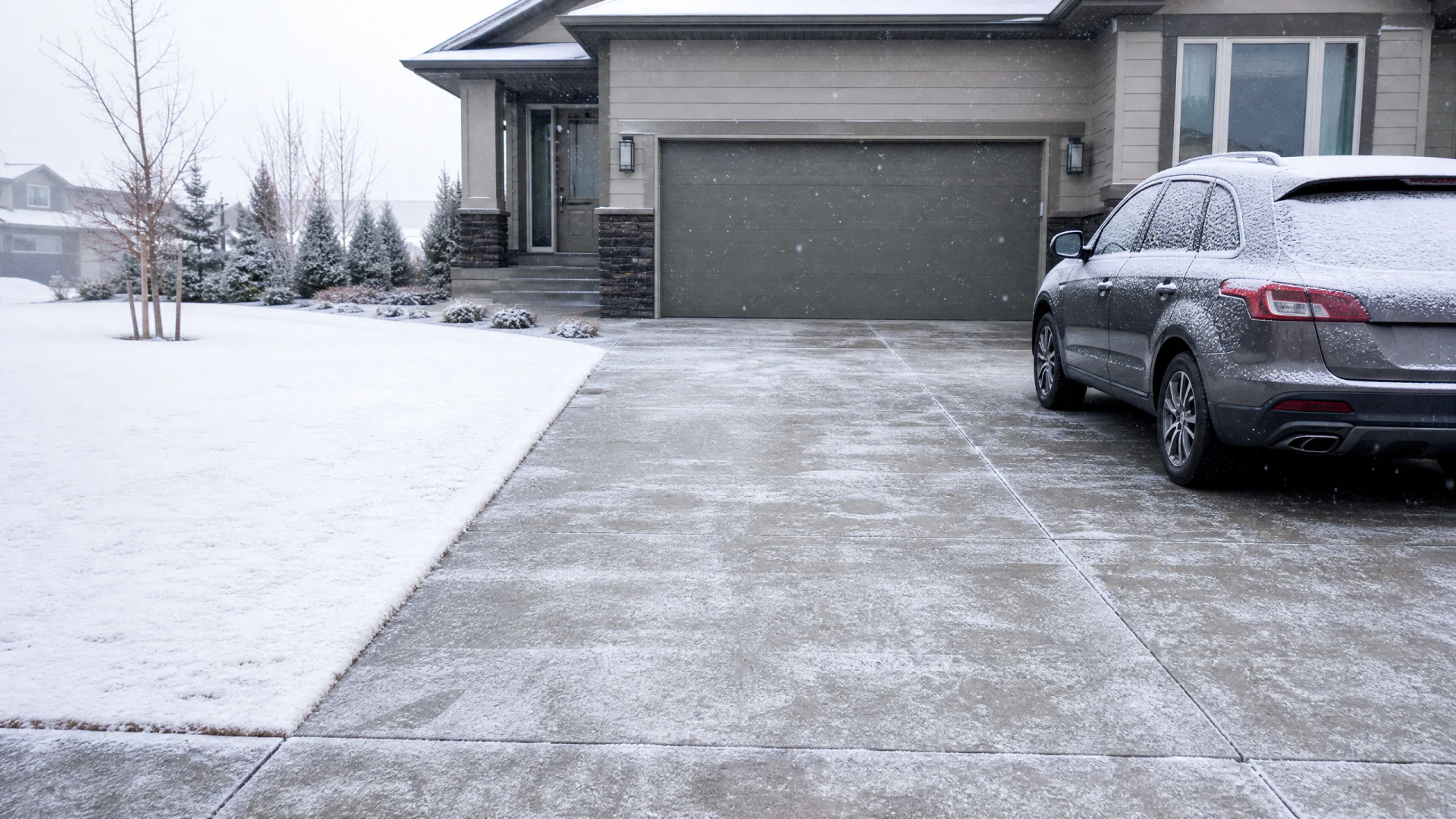
- Not mentioning a garage If you can now park inside instead of on the street, your insurer may not know that unless you tell them. Report any garage or driveway change since it can lower your risk profile.
- Never comparing after year one Loyalty doesn't earn you a better rate, and insurers count on you not checking. Get a new comparison quote at least once a year, especially after any life change.
Will fixing these mistakes actually lower my bill?
Usually yes, but not always by a dramatic amount, and the size of the change depends on which mistake you're fixing. Updating your address corrects errors that could have been costing you or exposing you to a denied claim, so that's about accuracy first and savings second.
Bundling and raising limits work differently. Bundling often reduces total cost because insurers price multiple policies together favorably, but it isn't guaranteed with every company, so you have to actually ask for the combined quote and compare it against separate policies. Raising limits usually raises your premium slightly, not lowers it, because you're buying more protection. The real payoff there isn't a lower bill, it's avoiding a financial hit far larger than the premium increase if you ever cause a serious accident. Checking rates annually is the one habit most likely to directly lower what you pay, since staying put while rates shift elsewhere means you lose ground slowly without noticing.
Compare quotes now that you know what to fix, so you can see what an updated, accurate policy actually costs.

Whether you update your policy after moving in
If you do
Your address, garage, and car details match reality. If you ever file a claim, there's nothing for the insurer to question or deny based on outdated information. Your rate reflects your actual risk, which can move it up or down, but at least it's accurate and defensible.
If you don't
You're paying a rate based on old facts, which might be cheaper or more expensive than it should be. Worse, if you ever need to file a claim and the insurer finds your address or garage was never updated, they can dispute or delay the payout, right when you need it most.

A couple who bundled, then almost missed a limit problem
A couple bought their first house and moved their homeowners policy to the lender's required insurer without a second thought. Their car insurance stayed with the company they'd had since college, never reconsidered. A few months in, one of them mentioned bundling to a coworker and decided to get a combined quote just to see. The bundled price for both policies came in lower than what they were paying for the two separately, so they switched the car policy over.
While getting that quote, the agent asked about their liability limits, which were still set at the minimum from when they first got licensed and owned almost nothing. Now they owned a house, and a serious at-fault accident could have put that house at risk if their coverage didn't stretch far enough to cover a judgment against them. They raised their limits, which cost a bit more each month, but it closed a gap neither of them had realized was there. They ended up paying slightly more than their old premium alone, but far less than the combined cost of two separate, under-protected policies.
How do I know if bundling home and auto is actually cheaper for me?
You find out by getting a quote that combines both policies and comparing it directly against what you'd pay keeping them separate. The discount isn't automatic or guaranteed to be meaningful, it depends on the insurer, your location, and both policies' details. Check whether the same company even offers competitive rates on both products individually, since some insurers are strong on home but weak on auto or the reverse. If separate policies with two different companies add up to less than the bundle, bundling isn't worth it just for convenience.
Does my commute change my car insurance rate?
Yes, how far and how often you drive affects your rate, since more time on the road means more exposure to risk. If your move changed your commute distance significantly, longer or shorter, tell your insurer because it can shift your premium either way. Some insurers ask for estimated annual mileage specifically, others infer it from your commute description, so check which applies to your policy. If you now work from home or your commute shrank a lot, you may qualify for a lower rate you're not currently getting.
Should both cars be on one policy or separate ones?
Generally one policy covering both cars costs less than two separate policies, because insurers often discount multi-car households. Check that both drivers and both vehicles are listed on the same policy if you live together and share a household, since that's usually the setup insurers price most favorably. The exception is if one car is rarely driven or garaged elsewhere, which might change how it should be listed. Ask your insurer directly how they handle multi-car discounts since the structure varies by company.