Updating Car Insurance When Moving
Update your address and garage location right away, then compare your bundled and standalone options before you renew anything.

What to change first after you move
- Update your address immediately Your rate is tied to where the car is actually kept, not where you used to live. Waiting to update it can cause problems with claims, so do this within days of moving.
- Note your new garage spot Parking in a garage or driveway instead of on the street can change your rate. Tell your insurer exactly how the car is parked now.
- Recheck your commute distance A shorter or longer drive to work changes how much the car is used. Give your insurer an honest estimate of your new daily miles.
- Ask about bundling policies Combining home and auto with one insurer sometimes lowers both bills. It's worth asking, but it only helps if the combined price actually beats separate policies.
- Revisit your coverage limits now A mortgage and new assets mean more to protect if you cause an accident. Decide if your old limits still make sense for where you are financially now.

The short version
Update your address and garage details right away, since where you live and park genuinely changes your rate and your coverage. The main reason is that insurers price risk by location, so an old address can mean wrong pricing or claim problems. Then compare bundled and standalone quotes before you renew, since bundling only helps if the math works out.
A couple moves from an apartment to a house with a garage
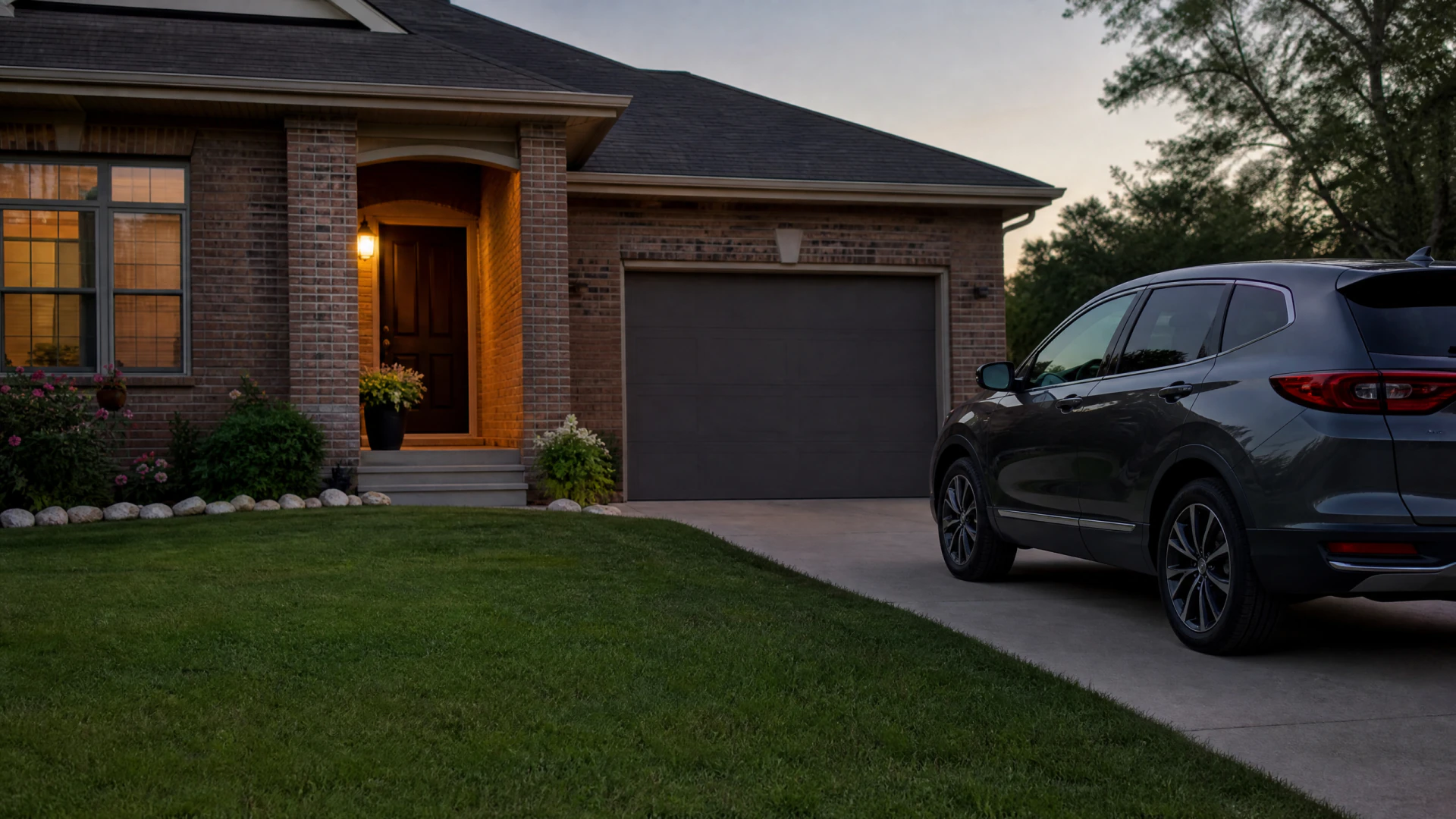
A couple had been renting an apartment downtown and parking on the street. They bought a house in a quieter area with an attached garage and a shorter commute for one of them, a longer one for the other. Their mortgage lender required a homeowners policy, and in setting that up they realized their car insurance still listed the old apartment address.
They called their insurer to update the address and garage information, and asked what bundling the new home policy with their existing auto policy would cost compared to keeping them separate. The bundled price came in lower than their current combined spending, but only after they also asked about raising their liability limits, since they now had a home and savings worth protecting. They ended up switching to the bundled option with slightly higher limits, which cost a little more per month but less than what they'd been paying before the move for less coverage. They set a reminder to compare quotes again at their next renewal, just to be sure the bundle was still the better deal.
Now that you know what to update, compare quotes to see what your new address and situation actually cost.

Whether you update your policy right after moving
If you do
Your coverage matches where you actually live and park, so a claim goes smoothly and your rate reflects reality. You also get accurate quotes if you decide to shop around or bundle, since outdated information skews every comparison you make.
If you don't
Your policy still reflects your old address, which can complicate a claim if your insurer finds out you moved and didn't report it. You may also be overpaying or underpaying for risk that no longer matches where you live, and any quotes you get in the meantime won't be accurate.
Does bundling home and auto insurance actually save money?
Sometimes, but not automatically. Bundling can lower your combined price because insurers often discount for holding multiple policies, and it simplifies things since you deal with one company and one renewal schedule instead of two.
But the only way to know is to compare the bundled price against what you'd pay keeping them separate with the best standalone options you can find. Some insurers are genuinely competitive on one type of coverage and not the other, so a bundle can quietly cost more than splitting them up. Check the total price, not just the discount percentage, and compare it against separate quotes before deciding. If the numbers are close, consider which setup is simpler for you to manage, since that has value too.
Your rate is tied to where you live and park, so a move is a reason to check everything, not just the address.