Update Car Insurance Address Before or After Moving
Update it before you move, since your policy needs your new address the day you're actually living there.

Update before the move, then confirm a few details
- Pick the effective date Set the address change for your move-in day, not sometime after. That way there's no gap where your car is garaged somewhere your insurer doesn't know about.
- Check the new rate first Your zip code affects your rate, so ask for the new number before you're locked in. If it jumps a lot, that's useful to know while you can still compare options.
- Tell them about the garage If you're moving from street parking to a garage or driveway, say so. Insurers often price cars lower when they're parked somewhere safer overnight.
- Update all cars and drivers If more than one car or driver is on the policy, make sure the change applies to everyone, not just the one you remembered first.
- Ask what else moved with you A new state can mean different coverage rules entirely. Confirm your policy still meets the minimum requirements where you now live.
The short version
Update your address before moving, effective the day you move, so your coverage and rate match where you're actually living. Insurers price risk by location, and an outdated address can affect both cost and claims. Once updated, check the new rate and garage details, then compare quotes to see if you're still getting the best deal.
A couple moving two towns over with one car and one garage
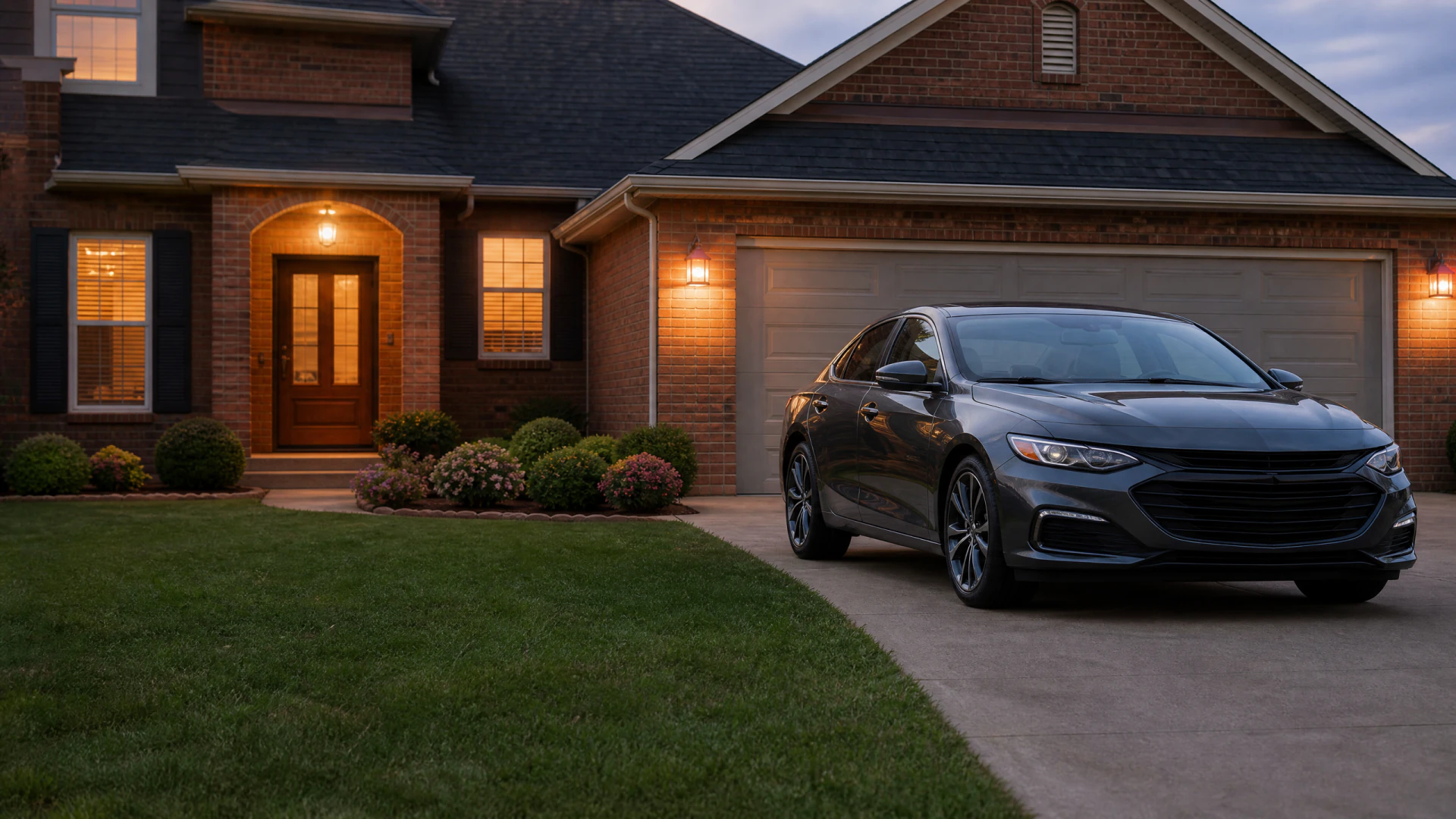
A couple bought their first home about twenty minutes from their old apartment. They kept driving the same car, same commute mostly, and didn't think the move would matter much for insurance. A few days before closing, they called their insurer to ask about updating the address and set the change for their actual move-in date, not the closing date, since they weren't living there yet.
The agent asked where the car would be parked overnight. At the apartment it had been on the street. At the new house it would be in an attached garage. That detail lowered their rate slightly, which surprised them since they'd expected the new zip code to raise it. They also asked about bundling with their new homeowners policy, and decided to get a quote for that separately before deciding. The address update itself took a few minutes, and having it done before the move meant there was no gap where their declared address didn't match where the car actually was.
Now that you know when to update your address, compare quotes to see if your new location changed your best option.

Update before you move or wait until after
If you do
Your coverage and rate match where you actually live from day one. If you're in an accident right after moving, there's no mismatch between your declared address and your actual one. You also find out sooner if your rate is changing, giving you time to compare other options before you're settled in and distracted.
If you don't
You're driving and parking somewhere your insurer doesn't know about. If you file a claim before updating, they may ask why your address was outdated, which can slow things down or raise questions about your policy. You also miss the chance to catch a rate change early, right when comparing other insurers is easiest.
Will updating my address raise or lower my rate?
It depends on where you're moving, not whether you update. Your rate reflects things tied to location, like how common accidents, theft or claims are in that area, plus whether your car is parked on the street or in a garage. Moving somewhere with less traffic or secure parking can lower your rate. Moving somewhere busier or with higher claims can raise it.
The address update itself doesn't change the price. It just makes sure the price reflects where you actually live. Some insurers also price differently by state or region in ways that aren't obvious until you ask, so it's worth requesting the new rate directly instead of guessing. If the number surprises you, that's exactly the moment to compare it against other insurers before deciding to stay or switch.

Your address isn't paperwork, it's part of how your rate gets set, so update it before you move, not after.