Should I Admit Fault if I Hit a Parked Car
No, don't admit fault out loud, just leave your honest contact and insurance information and let the claims process sort out fault.
What to do instead of saying it was your fault
- Leave your information A note with your name, phone number, and insurance details meets your legal duty. You don't need to write an explanation or apology on it.
- Write down what happened Note the time, location, and how it occurred while it's fresh. This protects you later more than any verbal admission helps the other driver.
- Call your insurer soon Report the accident even if the damage looks minor. Waiting can make it harder to cover and may look like you were hiding something.
- Take photos of both cars Pictures of the damage and the surrounding area matter more than words. They let the claims adjuster determine fault without relying on what you said.
- Skip detailed apologies A simple note is fine, but long explanations of what you did wrong can be used against you. Let the facts and your insurer handle responsibility.
Does leaving a note count as admitting fault?
No, leaving a note is not the same as admitting fault. A note is simply the legal minimum required after you damage someone's unattended property, giving them a way to reach you and your insurer.
Fault is a separate determination made later, based on evidence like where the cars were parked, photos of the damage, and sometimes witness accounts or camera footage. Insurers compare this evidence against policies and local rules to decide who pays.
What you write on the note matters, though. Stick to your name and contact information. Avoid writing out an apology or a description of how the accident happened, since that language can end up being read as an admission later, even if you didn't mean it that way.

Once you know how to report this the right way, compare quotes to see how it affects your rate going forward.
Backing into a car in a parking lot
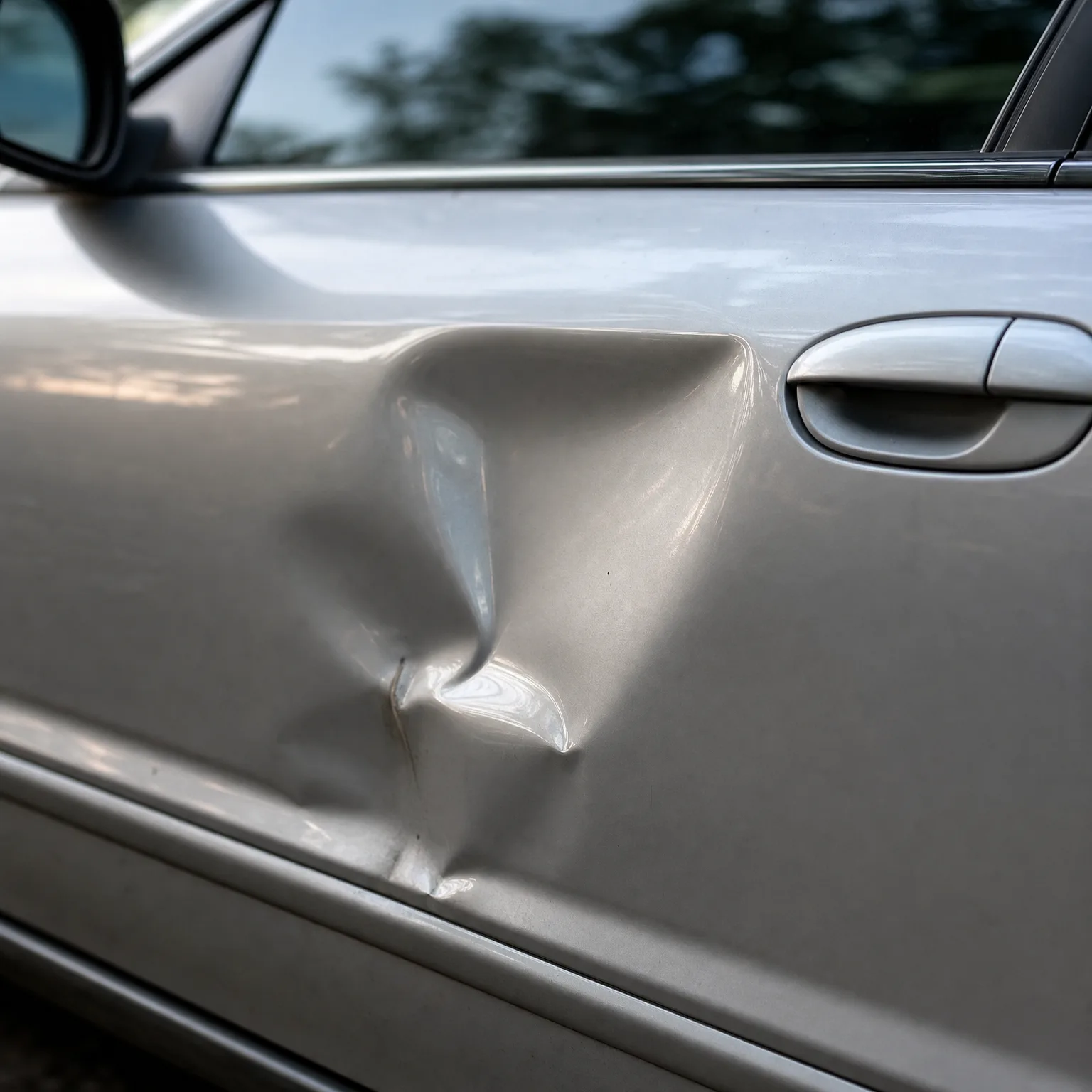
You back out of a space at the grocery store and feel a bump. You get out and see you've dented the rear bumper of the car parked behind you, and no one is around. You leave a note with your name and phone number, snap photos of both bumpers and the parking space markings, and write down the time and location in your own notes app.
Later that day the car's owner calls the number on your note. You give them your insurance information and they file a claim. Your insurer reviews the photos and the layout of the lot, and because you backed into a stationary car, fault lands on you without needing a verbal admission. The claim moves forward based on the evidence, not on anything you said at the scene, and the outcome would have been the same whether you'd apologized or stayed quiet.

What you say matters far less than what you document, so focus on evidence, not explaining.
What happens if I don't leave a note after hitting a parked car?
Leaving the scene without a note can be treated as a hit and run in many places, which carries more serious consequences than the original damage. Check your state's specific requirements, since the definition and penalties vary. If you're unsure whether you need to wait for the owner or can leave a note, treat leaving a note as the safer minimum.
Will my insurance rate go up for hitting a parked car?
Likely yes, since this is typically filed as an at fault claim once fault is determined. How much it affects your rate depends on your insurer's rules and your claims history, so check with your insurer about accident forgiveness or similar programs. A clean record beforehand usually softens the impact.
Should I pay for parked car damage myself instead of filing a claim?
It depends on how the repair cost compares to what filing a claim would cost you in future rate increases. Get a repair estimate first, then weigh it against your deductible and how claims affect your rate history. If the damage is minor, paying out of pocket can sometimes cost less over time.