Questions to Ask a Car Insurance Company Before Buying
Ask how claims, rate changes, and bundling actually work before you buy, not after something goes wrong.
The price quote hides the parts that matter most later
A quote tells you what you'll pay this year. It doesn't tell you how the company behaves when you file a claim, when your renewal comes up, or when your situation changes again. Those are the moments that decide whether you picked well, and they're exactly what a sales quote won't surface unless you ask directly.
Insurers vary in how they handle claims, how fast they pay out, and whether they raise your rate after an accident that wasn't your fault. Some of this is set by state rules, some by each company's own practices. You won't see these differences by comparing prices side by side. You see them by asking the same handful of questions to every company you're considering, so you're comparing like for like.
Bundling your new home and auto policies is worth asking about too, but not just for the discount. Ask how claims on one policy affect the other, and whether a home claim could raise your car premium or vice versa. That interaction isn't obvious from the outside, and it's different at every insurer.
Most of these answers won't change what you pay today. They change what happens a year from now, after your first claim, or after your next move. That's why asking before you buy matters more than it seems to right now, when every policy on the table looks roughly the same.
A couple comparing their first post-move quotes
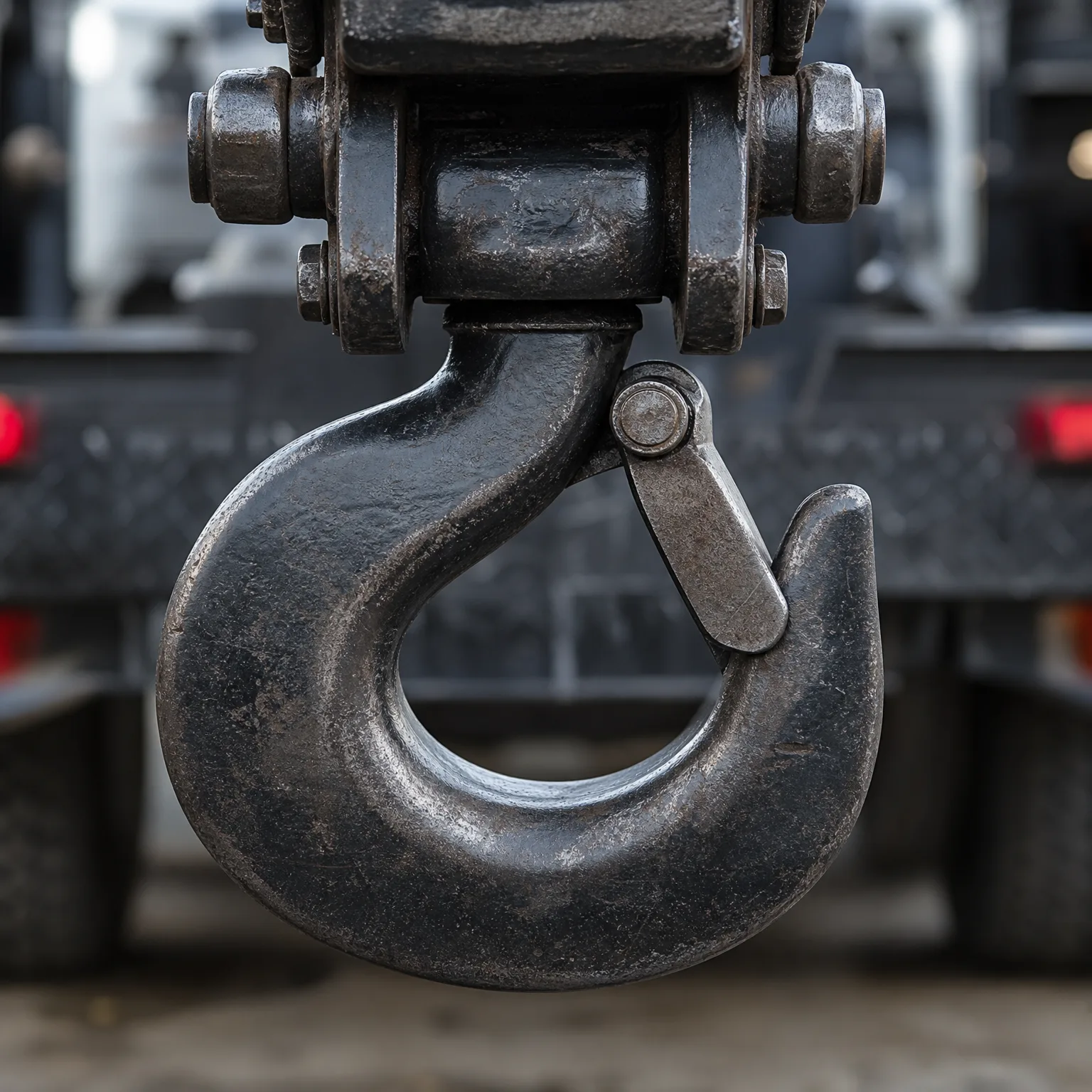
A couple who'd just bought a house got three quotes for car insurance, all within a small range of each other. Before picking the cheapest one, they called each company and asked the same four questions, how they handle a not-at-fault accident, whether a home claim could affect the car rate, how fast claims typically get resolved, and what happens to the price at renewal. Two of the three gave vague answers or transferred them to someone else. The third gave specific, confident answers on the first call.
They picked the third insurer even though its quote was not the lowest. Six months later one of them was rear-ended at a stoplight. The claim was handled the way the company had described on that first call, and their rate didn't move at renewal. The small price difference they'd paid upfront turned out to be the reason the whole process afterward was easy instead of stressful.

Once you know what to ask, compare quotes side by side and see which company actually answers.
What to ask before you sign anything
- Not-at-fault accidents Ask if your rate rises after an accident that wasn't your fault. This varies by insurer and sometimes by state, so get a direct answer, not a general one.
- Claim handling speed Ask how long a typical claim takes from filing to payout. A fast, clear process matters more than it seems to until you actually need it.
- Bundling interactions Ask how a claim on your home policy affects your car premium if you bundle them. The two aren't always as separate as they look.
- Renewal rate changes Ask what typically happens to your price at renewal, even with a clean record. Some insurers raise rates quietly over time regardless of your driving.
- Coverage after a move Ask how another move or added driver would change your policy. Your situation already shifted once this year, and it may shift again.
The quote tells you the price. Only your questions tell you what you're actually buying.
What coverage limits should I actually choose for my car insurance?
The right limit depends on what you'd lose in a serious accident, not what the state requires as a minimum. State minimums are often too low to protect your savings or your new home equity if you cause a costly accident. Check what assets you now have to protect, since buying a home usually means choosing higher limits than you carried before. A good next step is asking each insurer what limit they'd recommend given your situation, then comparing their reasoning, not just the number.
Does a home security system or garage lower my car insurance too?
Sometimes, but it depends on the insurer and whether they link home and auto underwriting. A garage usually affects your car insurance directly, since it reduces theft and weather exposure for the vehicle. A home security system is less likely to affect your car rate on its own. Ask each company directly whether these details factor into your auto premium, since the answer differs company to company and isn't something you can predict from general rules.
How soon after moving do I need to update my car insurance?
You should update it as soon as your address changes, not after your next renewal. Your rate is based partly on where the car is kept overnight, so an outdated address can affect a claim if something happens before you update it. Check your policy documents for how they define your reporting responsibilities after a move. If you delay, you risk a claim being questioned or delayed later, which is a bigger problem than any short-term rate change the update might cause.