
Is There a Downside to Choosing Budget Car Insurance
The cheapest policy can leave you paying out of pocket exactly when you can least afford it.
Why the lowest price can cost you more later
Car insurance premiums are priced to match risk, and the risk is still there even when a quote looks low. A policy gets cheap mainly two ways, by shrinking the coverage, or by the insurer being newer or smaller with less reliable claims service. Neither problem shows up until you actually file a claim, which is the worst time to discover it.
The most common cut is liability limits set at the state minimum. That number was set by lawmakers as a legal floor, not as a realistic estimate of what an accident actually costs. If you cause a crash that costs more than your limit, you owe the difference yourself, and that gap doesn't disappear because your monthly bill was low.
The other cut is thinner service. Some insurers keep prices down by processing claims slowly, pushing back on payouts, or limiting which repair shops you can use. You won't see this in the quote, only in reviews and complaint records, which is why price alone tells you very little about what you're actually buying.
This isn't true in every case. Sometimes a lower price reflects a real discount, like bundling with your home policy or having a car that's cheaper to insure, with no coverage cut at all. The way to tell the difference is to compare what's included, not just what's charged.

The short version
Budget insurance can be a real downside if the savings come from thin liability limits or slow claims handling, since both only show up once something goes wrong. It can also be a smart choice if the lower price reflects a genuine discount. Compare coverage and claims reputation, not just price.
What to check before picking the cheapest option
- Liability limits State minimums are a legal floor, not real protection. Check if raising them costs much more, since the gap you'd owe otherwise can be large.
- Claims reputation A low price can mean slow or difficult claims handling. Look up complaint records and reviews before you buy, not after you need them.
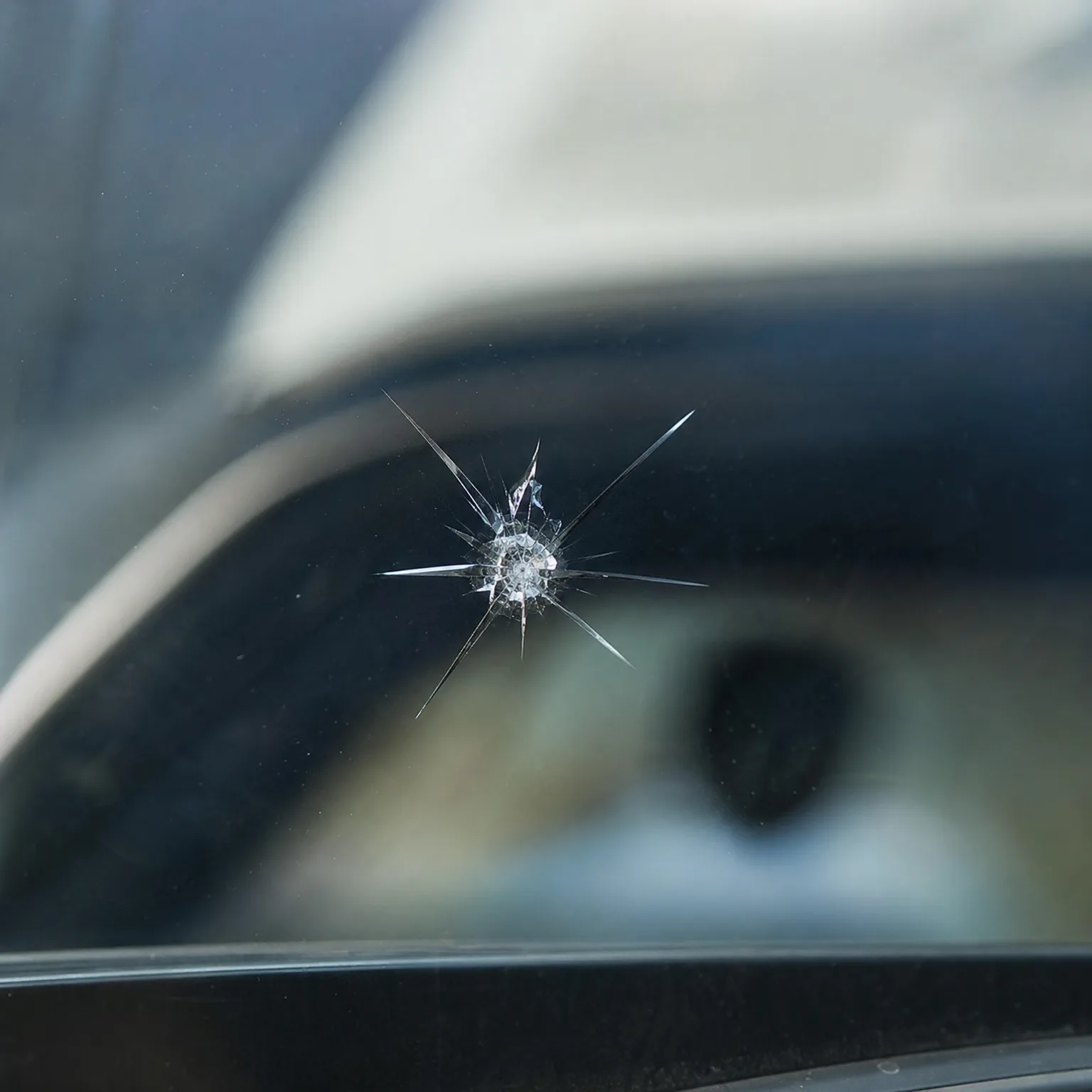
- What's actually dropped Cheap policies sometimes skip coverage like rental car or glass repair. Read the declarations page, not just the premium total.
- Why it's cheap A lower price from bundling or a safe car is different from one built on thin coverage. Ask the insurer directly what's driving the number.
- Your new situation A different zip code, a garage, or a second car can change what coverage actually makes sense. Re-check your needs before assuming the old policy still fits.
Now that you know what to check, compare quotes side by side to see which price actually holds up.
A couple trims their policy right after closing
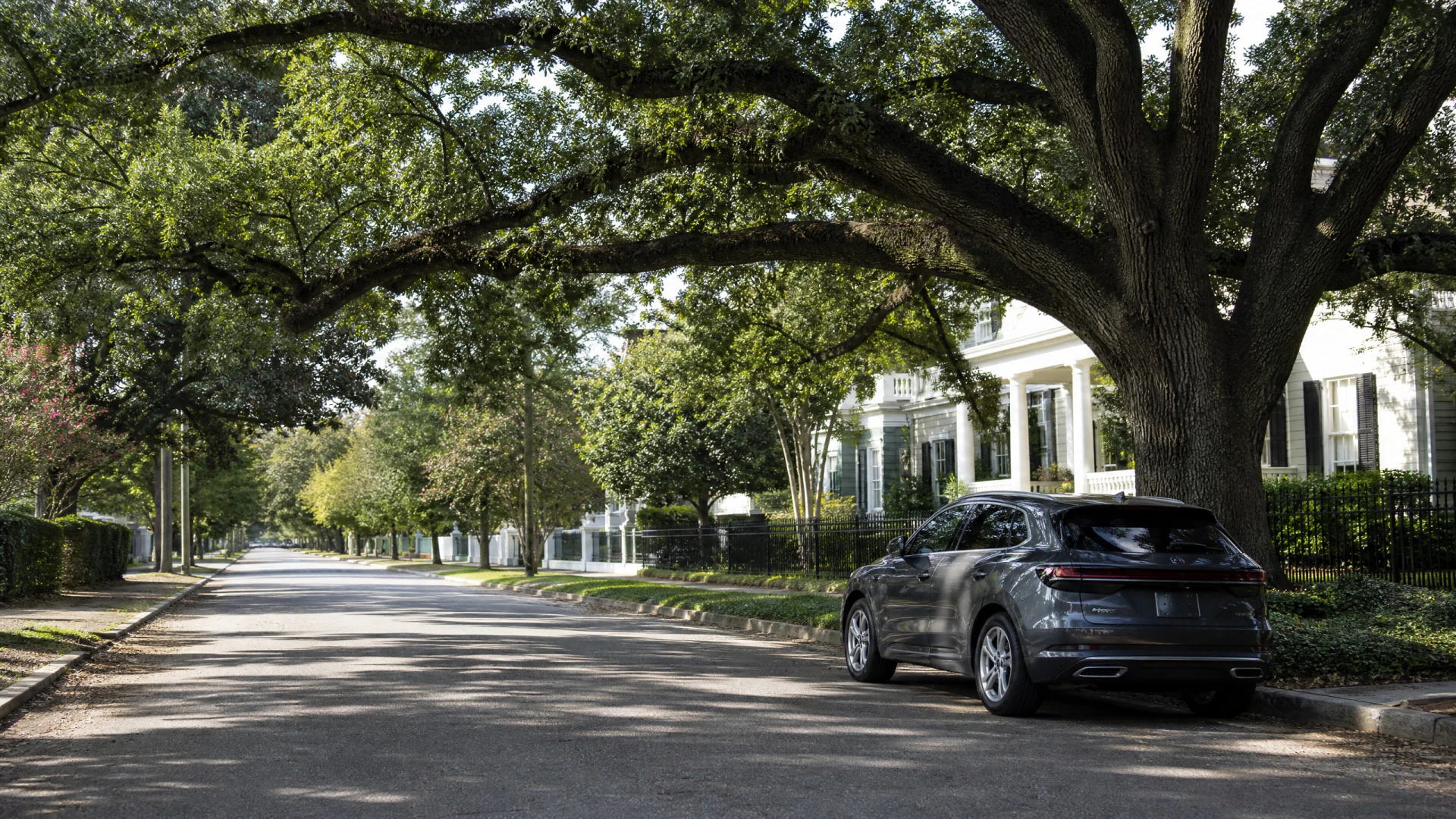
A couple moving into their first home decided to shop around because their old policy was set up years earlier in a different city. One quote came in noticeably lower than the rest, and it was tempting to take it and move on, since money felt tight after closing costs and a new mortgage payment. Instead they pulled up the declarations page and compared it line by line against their current policy.
The cheaper quote had dropped liability limits down to the state minimum and removed rental coverage entirely. They checked the insurer's complaint record and found more claims complaints than the other companies they were considering. They went with a slightly higher quote instead, one that kept solid liability limits and bundled with their new homeowners policy for a discount. The monthly cost ended up close to the cheapest option, but without the gaps, and they felt confident they wouldn't be caught off guard if something happened on their new commute.

A low price only means something once you know what it's leaving out.


