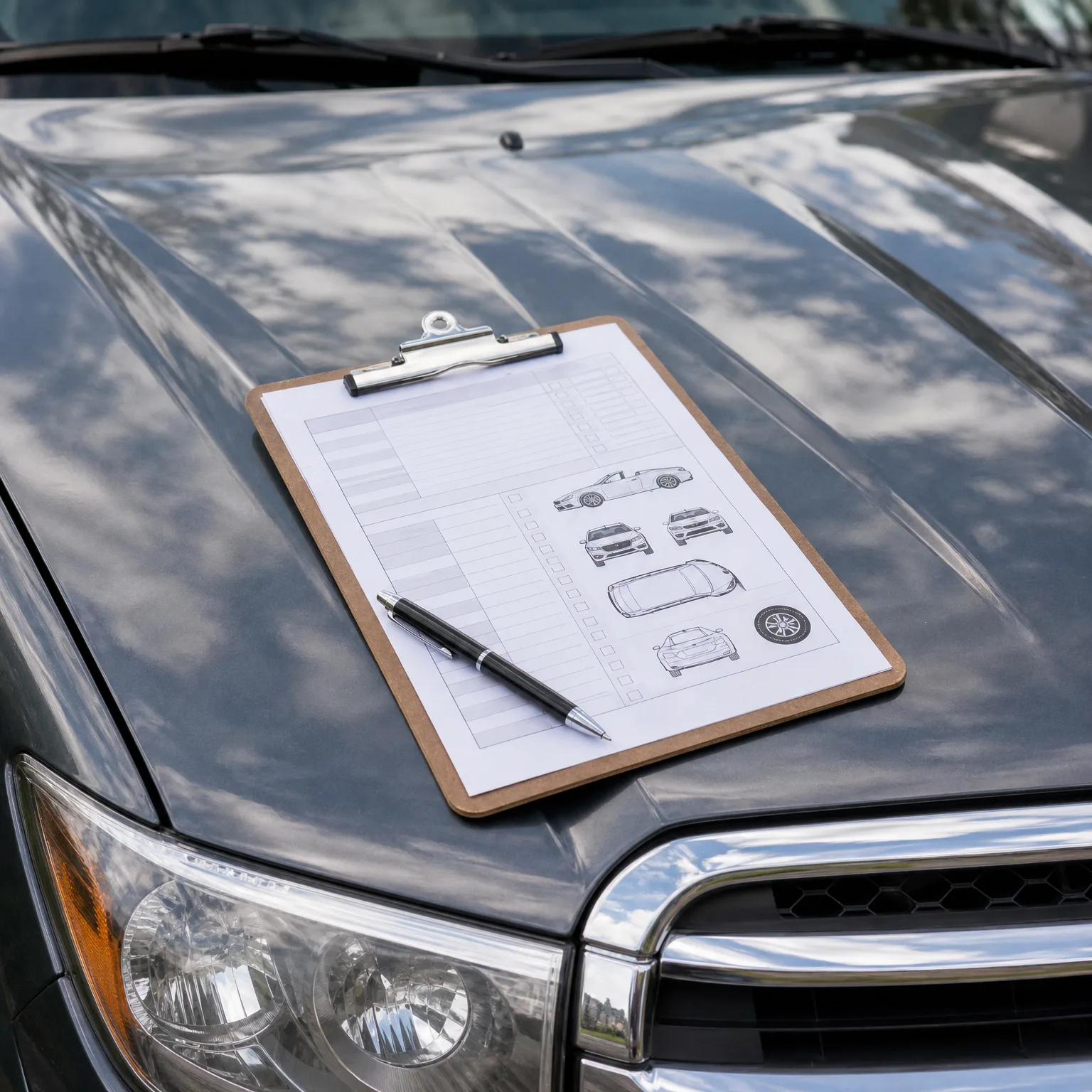
Is It Worth Filing a Collision Claim
It's worth filing when the repair costs more than your deductible plus the likely rate increase over the next few years.

Weigh these before you call it in
- Repair cost vs deductible If the repair barely clears your deductible, filing may net you very little cash. Get a real repair estimate first, not a guess, before deciding anything.
- Your rate history A recent claim or ticket makes insurers more sensitive to a new one. Check how long it's been since your last claim before you file another.
- New zip code risk rating Your new address may already be nudging your rate up or down based on local claim patterns. A new claim on top of that shift can compound the increase.
- Bundling and loyalty discounts Some insurers reduce discounts after a claim, even ones tied to your home policy. Ask your agent directly whether a claim affects your bundle discount.
- How long it follows you A collision claim typically stays on your record for several years and affects renewal pricing each time. Factor that multi year cost in, not just this year's premium.
A fender bender in the new driveway
Soon after moving, one of them backs into a low wall they didn't know was there, denting a rear panel and cracking a taillight. The repair estimate comes back and it's more than pocket change but not dramatic either. They're unsure if filing is worth it since they just set up the homeowners bundle with the same insurer and don't want to jeopardize that discount.
They call the agent before filing anything and ask two things directly, what this claim would do to their rate over the next few renewals, and whether it affects the bundle discount at all. The agent runs the numbers and it turns out the rate increase over a few years would cost more than paying for the repair themselves. They pay out of pocket, keep the claim-free record, and the bundle discount stays untouched. The lesson they take isn't about this one dent, it's that asking before filing gave them information they didn't have when the bumper first cracked.
Does filing a claim affect my home insurance bundle discount?
Sometimes, depending on the insurer. Some companies tie multi policy discounts to overall claim history across everything you have with them, so a car claim can ripple into your home policy pricing or vice versa. Others keep the lines completely separate, and a claim on one policy has no effect on the other.
You won't know which kind of setup you have unless you ask directly, before you file. The agent or a quick look at your policy documents can tell you whether claims are evaluated per policy or across your whole account. This is worth checking the same week you move, since it also tells you how much weight to put on bundling in the first place.
Compare quotes now that you know whether this claim is worth filing.

Should you file this claim or pay for it yourself
If you do
You get the repair covered now, minus your deductible. But the claim goes on your record, and at renewal your rate may rise enough that the total cost over a few years ends up higher than the repair itself would have been out of pocket.
If you don't
You pay the full repair cost upfront, which stings today. But your record stays clean, your rate holds steady at renewal, and any bundle or claim free discounts you've built up stay exactly where they are.
Why small claims often cost more than they pay out
Insurance works by pooling risk, and insurers price your policy based on how likely you are to file again. Every claim you file, even a small one, becomes a data point that says you're a bit more likely to file in the future. That's why a single claim can raise your rate at renewal, sometimes for more than one renewal cycle, even if the payout was modest.
The math that matters is simple once you lay it out. Compare what the claim pays you after your deductible against what the likely rate increase will cost you over the next several years. If the repair is close to your deductible amount, filing often isn't worth it, because the rate increase alone can exceed what you'd collect. If the repair is large, filing usually makes sense because the payout outweighs the future cost of a higher rate.
This is also where your move matters more than it seems. If your new zip code already carries a different risk profile than your old one, your baseline rate may already be shifting independent of any claim. A claim filed on top of that can compound an increase that was coming anyway, which is another reason to get a repair estimate and ask your insurer directly before deciding.
There are cases where filing is the clear right move regardless of the math, like when the other driver is at fault and their insurer is paying, or when the damage is severe enough that out of pocket repair isn't realistic. The exception is injury or liability exposure, where filing protects you legally even if the immediate dollar math looks unfavorable. Outside of those cases, the decision usually comes down to comparing numbers you can actually get before you file, not after.