Is It Better to Pay for Car Repair or Go Through Insurance
Pay out of pocket when the repair cost is close to your deductible, and file a claim when the damage far exceeds it.
The math is about your deductible, not the damage itself
Your deductible is the amount you pay before insurance covers the rest. If a repair costs close to that amount, filing a claim barely helps you. You'd pay almost the full deductible anyway, and now the claim sits on your record.
What makes claims expensive later isn't the payout, it's what insurers do with the information. A claim tells your insurer you're a driver who files, and that can raise what you pay going forward, sometimes for a few years. One claim after a long clean record behaves differently than a second or third claim in a short span. The insurer is watching the pattern, not just the one event.
This is also where your new address and garage matter. If moving changed your rate already, you're now more sensitive to anything that pushes it higher. A claim on top of a new, possibly higher premium can compound in a way it wouldn't have at your old address. Check with your insurer or agent how claims affect renewal pricing in your state, since the rules and lookback periods aren't the same everywhere.
There are cases where filing is clearly right regardless of amount. If another driver caused the damage and their insurance is paying, that's not your claim history at risk. If the repair is large enough that paying it yourself would strain your budget, that's what the coverage exists for. The close calls are the ones worth slowing down on.
A cracked bumper after backing into a post
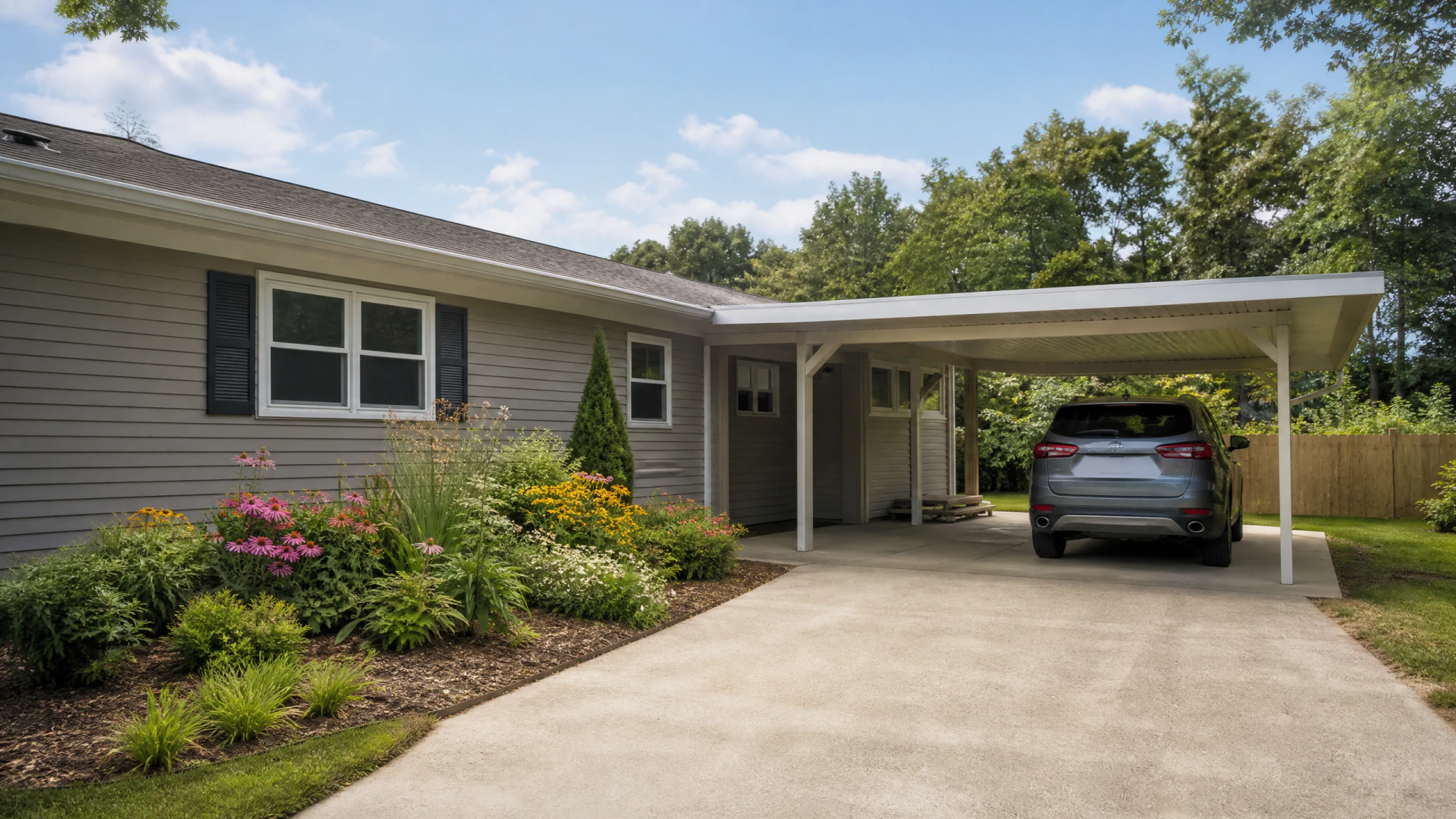
Say you back out of your new driveway and clip a post, cracking the rear bumper. The shop quotes a repair cost that's only a bit more than your deductible. You call your insurer to ask how a claim like this would affect your rate at your next renewal, since you just moved and your policy already changed once this year.
The agent explains that a single claim this size could raise your premium for a couple of years, and the increase would likely cost more over that time than the difference between the repair cost and your deductible. You decide to pay for the repair yourself and keep the incident off your record. Six months later, when you call to add a second car to the policy, your rate reflects only the move and the new car, nothing else from this repair at all.

Filing a claim for a borderline repair
If you do
You pay your deductible, insurance covers the rest, and the repair gets handled quickly through the shop network. But the claim is now on file. At renewal, your insurer may raise your premium, and that increase can last a couple of years, possibly costing more than what the claim saved you.
If you don't
You pay the full repair cost yourself, which stings now, especially with a new mortgage payment. But your record stays clean. At renewal, only real changes like your address or an added car affect your rate, not a small claim that would have followed you for years.
Now that you know if this repair is worth filing, compare quotes to see your rate with a clean record.

Will my rate go up even if I don't file a claim?
It can, but for a different reason. Rates can change at renewal because of things unrelated to claims, like your new address, a new car on the policy, or your insurer adjusting prices across the board. None of that is a penalty for good or bad driving, it's just the cost of coverage shifting with your situation and the market.
This is worth separating from claim-related increases because people often blame a rate jump on something they did, when it was actually the move or the recalculated risk at your new home. If your rate changes and you haven't filed anything, ask your insurer to walk through exactly what changed. That way you know whether it's something temporary, something tied to your new address, or something worth shopping around to fix.

A claim's real cost isn't the payout, it's the rate increase after, so weigh that against today's repair bill.