Is It Better to Own or Rent for Car Insurance
Owning can lower your car insurance slightly, but it's the details that come with it, like a garage or new zip code, that matter most.

What actually changes your rate when you buy
- Your new zip code Insurers price risk by location, so a different crime rate or claims history in your new area can raise or lower your premium. Check what your new zip code does to your quote before assuming it's better or worse.
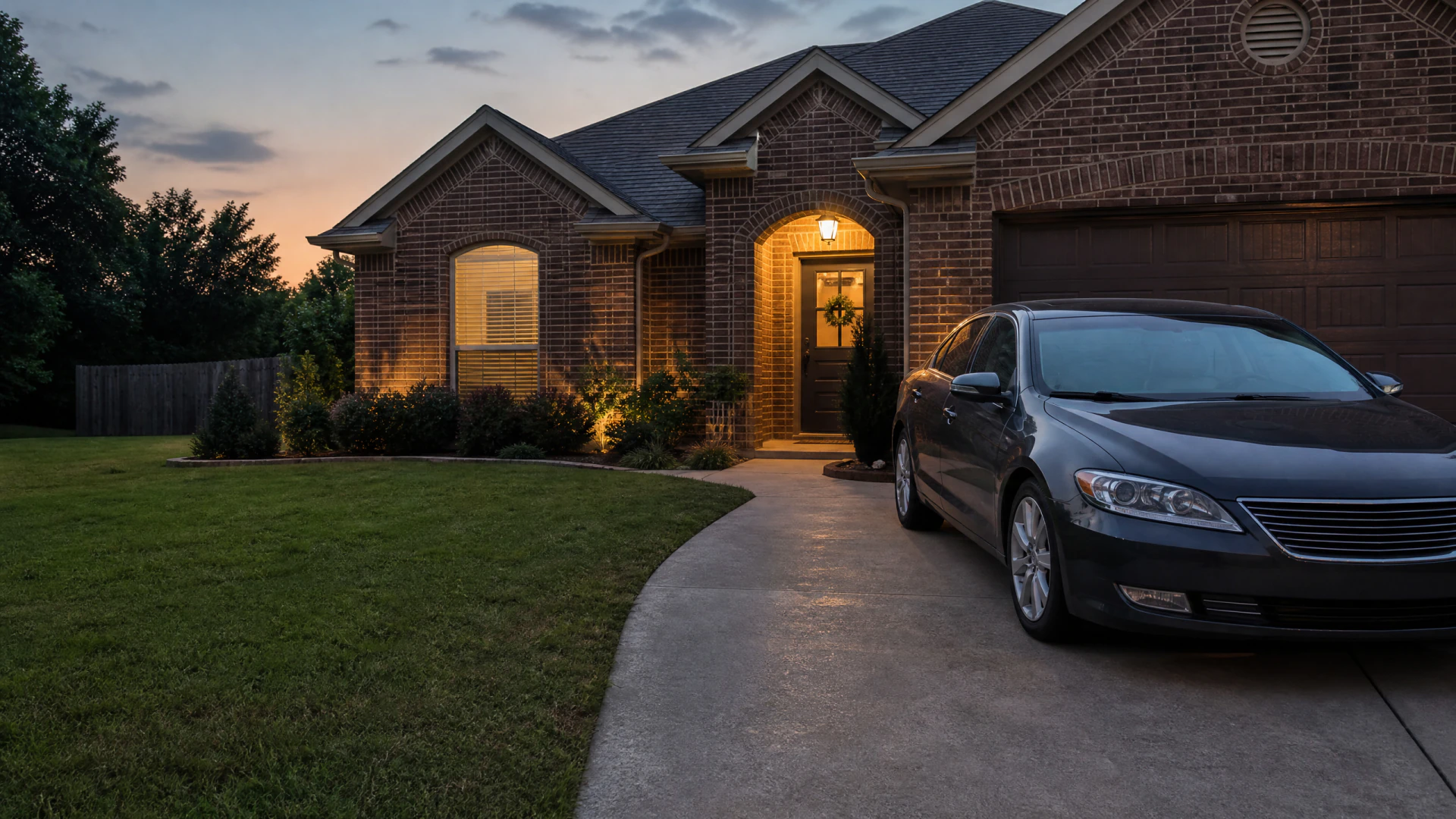
- Where the car sleeps A car parked in a garage overnight is less likely to be stolen or damaged by weather than one left on the street. Tell your insurer if you now have a garage or driveway, since this can lower your rate.
- Bundling home and auto Many insurers lower your auto rate if you also carry your home policy with them. Ask for a bundled quote and a separate quote, then compare both against what you're paying now.
- Homeownership itself Some insurers see homeowners as lower risk and offer a small discount just for owning, separate from any bundling. Ask directly whether this applies, since it won't always show up automatically.
- Higher liability limits Owning a home gives you more to protect if you're sued after an accident, which is a reason to raise your liability coverage even though it raises your premium. Weigh that cost against what you now stand to lose.
Will my car insurance go up or down after buying a home?
It depends on which factors move and in which direction, not on owning by itself. Your zip code, your parking situation, and any bundling or homeownership discount all shift independently, and they can offset each other.
Someone who moves from a dense rental area with street parking to a quieter suburb with a garage will often see their rate drop, sometimes noticeably. Someone who moves from a cheap rural rental into a pricier suburb with more traffic might see it rise, even with a garage and a bundling discount applied.
The only way to know is to get a fresh quote using your actual new address, parking situation, and any bundling option. Don't assume the direction based on owning alone, and don't assume your old insurer's rate still reflects your new situation.
If your rate didn't move much either way, check that your insurer actually updated your address and parking details, since an unreported change can mean your coverage doesn't match where you live now.

Updating your policy details now versus leaving them as they were
If you do
You tell your insurer your new address, that you have a garage, and ask about bundling. Your quote reflects your actual risk, any discounts you qualify for apply, and your coverage matches where you live. You can compare this accurate number against other insurers with confidence.
If you don't
Your policy still reflects your old address and parking situation. You might be overpaying, underpaying in a way that causes problems at claim time, or missing a bundling or homeowner discount you'd otherwise get. You won't know your real rate until you report the change.
Now that you know what actually moves your rate, compare quotes using your real address and parking situation.

Why owning matters less than what comes with it
Insurers price risk based on specific, measurable factors, not on labels like owner or renter. Owning a home changes several of those factors at once, your address, your parking, your household stability in their eyes, and sometimes your eligibility for a bundled policy. None of those are caused by ownership itself, they just tend to travel together with it.
This is why two people who both just bought homes can see opposite results. One moves into a safer area with off street parking and sees a lower premium. Another moves into a busier area, keeps street parking, and sees a higher one, even though both now own instead of rent. The ownership status is incidental, the underlying risk factors are what the insurer actually prices.
Bundling works differently again. It's a business decision by insurers to reward customers who hold multiple policies with them, since it reduces the cost of acquiring and keeping each customer. That discount has nothing to do with risk and everything to do with retention, which is why it varies a lot between insurers and why it's worth checking even if you don't think you'll bundle long term.
The case where owning clearly matters on its own is liability exposure. Once you have home equity, you have more for a lawsuit to reach after a serious accident, so raising your liability limits is a reasonable response to owning, independent of any rate change. That's a decision about protecting what you have, not about what your premium will be.
Stop asking if owning helps. Check what changed, your address, your parking, your bundling options.