Is It Better to Drive in Hail or Stop
Stop as soon as you safely can, because sheltering the car matters more than reaching your destination on time.
What to do in the moment matters more than you think
- Get under real cover A gas station awning or parking garage protects the car far better than sitting in open traffic. Head there first if one is close by.
- Pull off safely, not suddenly Stopping on the shoulder in zero visibility risks a collision worse than hail damage. Signal early and move off the road gradually.
- Face the windshield into it Angling your front windshield toward the hail protects side windows and the glass most likely to crack. Side glass is usually thinner and more exposed.
- Stay inside the car Getting out to inspect damage mid-storm risks injury from hailstones or wind. Wait until it fully passes before stepping out.
- Note the time and location after Your insurer may ask when and where the damage happened, especially if other cars nearby were hit too. A quick photo of the storm helps later.
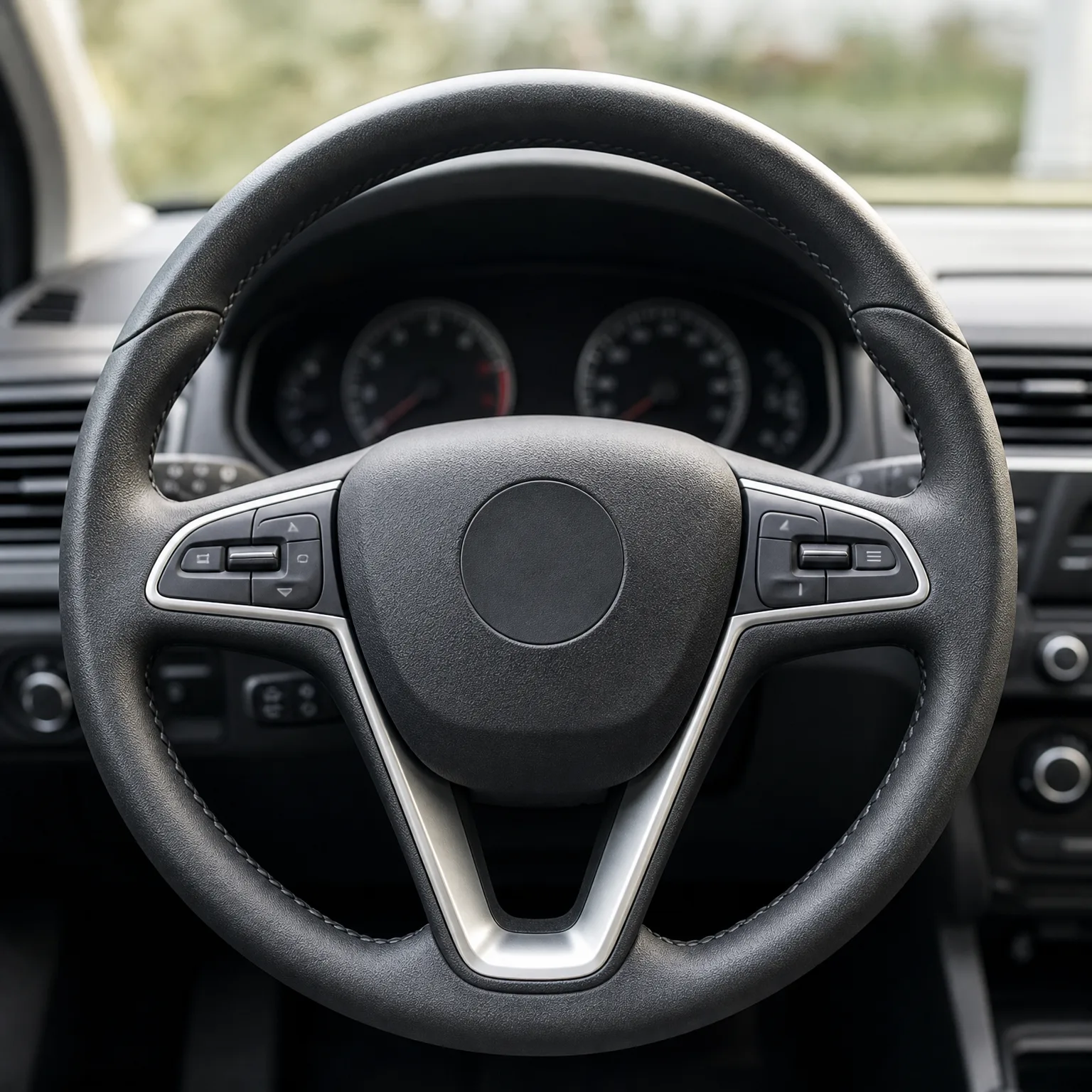
Caught on the highway when the sky opens up
You're driving home from work when hail starts hitting the windshield without warning. Traffic is moving, visibility is dropping fast, and there's no shoulder wide enough to feel safe yet. You slow down, put on your hazards, and watch for an exit instead of stopping where you are. A mile up, a strip mall with a covered entrance gives you somewhere to pull in.
You angle the car so the windshield faces the storm and wait it out with the engine off. Ten minutes later it passes and you step out to check the damage. One small dent on the hood, nothing on the glass. Because you have the exact time and location, filing a claim later is simple and the adjuster doesn't question whether the damage happened some other way. Stopping cost you fifteen minutes. Driving through it could have cost you a windshield.

Once you know how to handle hail on the road, compare quotes to make sure your coverage actually pays for it.
Does comprehensive coverage actually pay for hail damage?
Yes, hail damage is one of the clearest cases comprehensive coverage is built for. It's considered a weather event, not a collision, so as long as you carry comprehensive on your policy, dents, cracked glass, and paint damage from hail are typically covered.
What varies is your deductible, and in some states insurers apply a separate, often higher deductible specifically for glass or weather claims. Check your policy declarations page or ask your insurer directly, since this isn't universal. If you only carry liability coverage, hail damage won't be covered at all, which is worth confirming now rather than after a storm.
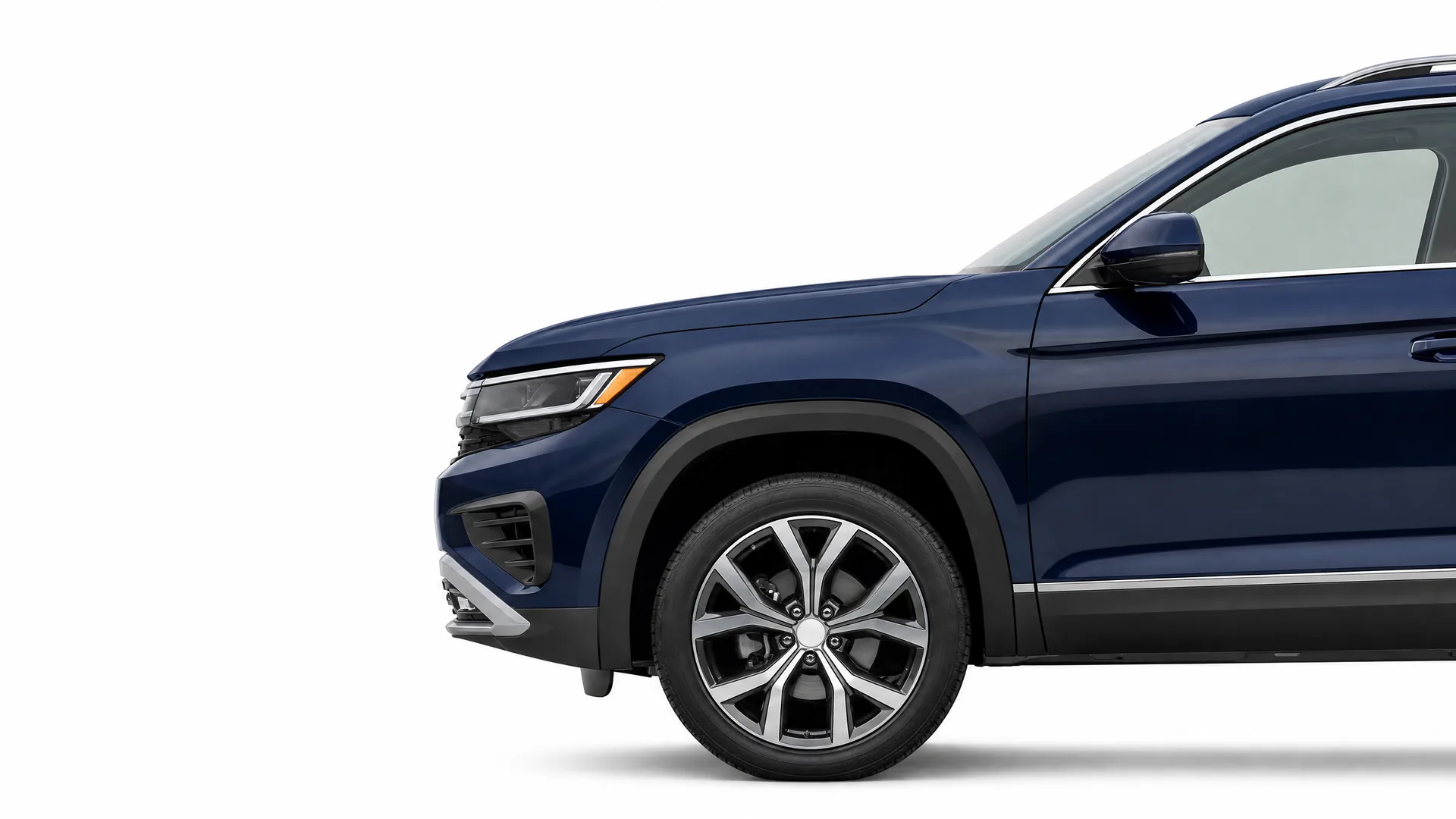
The real risk in hail isn't the dent in your hood, it's driving blind through traffic.
Will my insurance rate go up after a hail damage claim?
Usually not, because hail is a weather event and most insurers treat it as a no-fault, comprehensive claim rather than something you caused. That said, a few insurers do factor in total claim frequency regardless of fault, so check how your specific insurer handles comprehensive claims before assuming it won't matter.
Can I drive a car with hail damage before getting it fixed?
Yes, as long as the windshield and windows aren't cracked badly enough to block your view or risk shattering further. Dents and surface damage don't affect drivability. If the glass is compromised, get it repaired quickly since further driving or another storm could worsen the damage or create a safety hazard.
What if I can't find shelter before the hail starts?
Slow down, turn on hazards, and move as far from moving traffic as you safely can, even without cover. Protecting yourself and avoiding a collision takes priority over protecting the car's exterior. Once stopped, staying inside with your body angled away from the windshield is safer than standing outside near falling ice.