Is Insurance Cheaper if You Own the Car
Owning the car outright doesn't make insurance cheaper by itself, but it removes lender requirements, and that can lower your bill.
Paying off the car mid-policy
A reader financed their car for years, carrying full coverage with limits the lender required, including a low deductible that kept the monthly premium higher than it needed to be. When they made the final payment, nothing about the policy changed automatically. The requirement had simply expired, and the policy kept running exactly as it was until they did something about it.
They called their insurer, confirmed the loan was paid off, and asked what their options were now that no lender was involved. They raised their deductible to something they could actually cover out of pocket if they had to, and dropped collision coverage entirely since the car's value had dropped enough that replacing it wasn't worth the ongoing cost. Their premium dropped noticeably that same renewal. Nothing about their driving or their risk had changed. What changed was that the policy finally matched a car they owned free and clear instead of one still answering to someone else's rules.
Should you drop coverage once you own the car outright?
Not automatically. Owning the car free and clear means no lender is requiring full coverage anymore, so you're legally free to carry only the minimum your state requires. But that decision should be based on what you could afford to replace out of pocket, not just on what you're allowed to do.
If losing the car tomorrow would be a financial problem, keep comprehensive and collision even without a lender watching. If the car is old enough that you'd shrug and move on, dropping those coverages makes sense. Look at the car's current value against what you're paying for that coverage each year, and let that comparison decide it, not the fact that nobody's requiring it anymore.
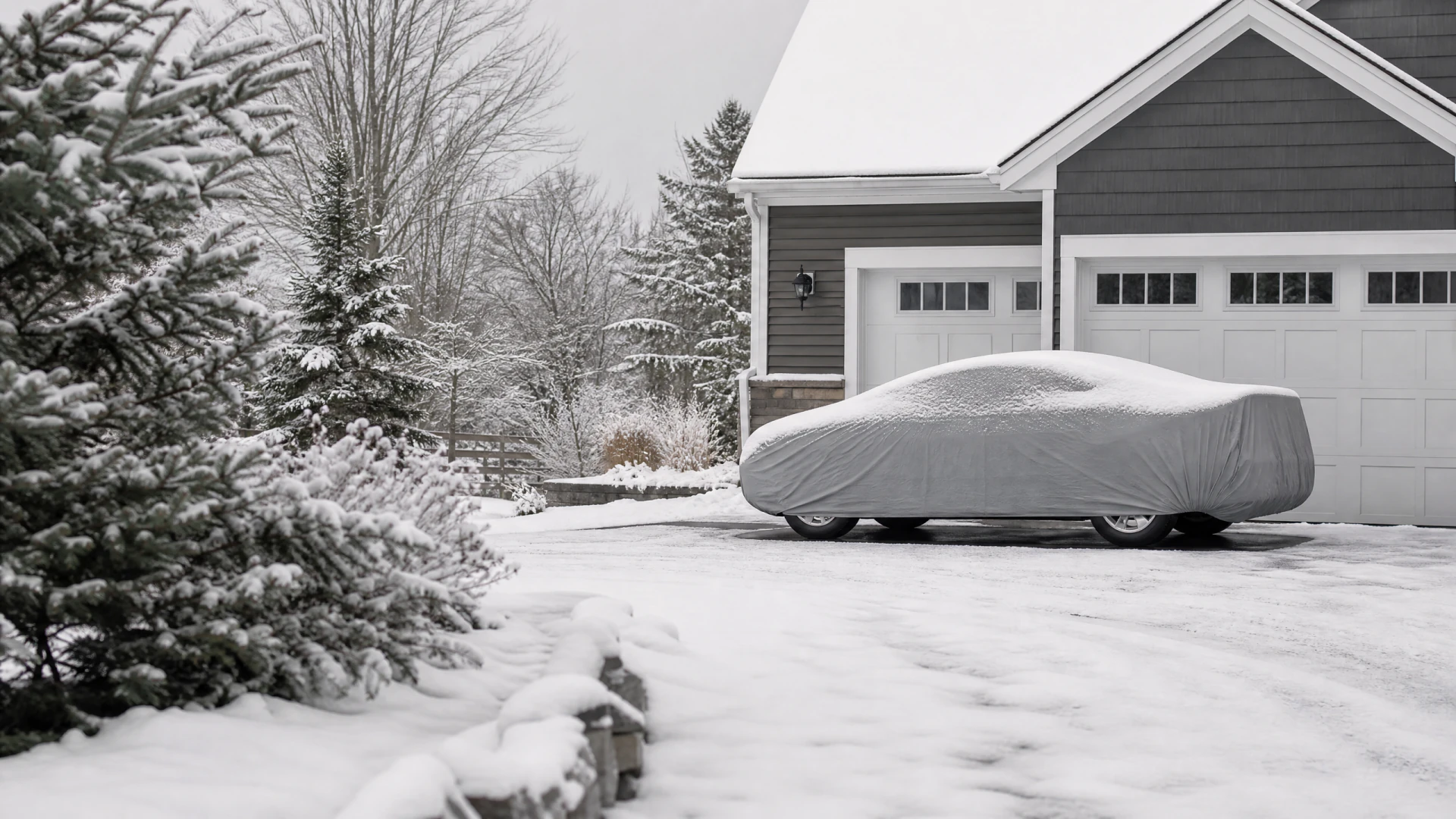
Now that you know how ownership changes your coverage, compare quotes to see what paying it off actually saves you.

Updating your policy now that you own the car outright
If you do
You review your coverage, drop requirements your lender no longer enforces, and adjust your deductible to something you'd actually want to pay. Your premium usually drops. You're now covered based on what you'd choose for yourself, not what someone else required to protect their investment in your car.
If you don't
Your policy keeps running on the lender's old terms indefinitely, usually a low deductible and coverage you might not need anymore. You keep paying for requirements nobody is enforcing. Nothing forces this review to happen, so without you initiating it, the policy just continues exactly as it was set up years ago.
Why owning the car changes the price
When you finance or lease a car, the lender has a financial stake in it until it's paid off. They require full coverage, often with a low deductible, because if the car is totaled or stolen, they want to be sure the loan gets paid regardless of what happens to you. That requirement is written into the loan agreement, not into insurance law, and it disappears the moment the loan does.
Once you own the car outright, that requirement is gone. You're only bound by what your state requires, which is typically liability coverage to pay for damage you cause to others. Everything beyond that, comprehensive, collision, the size of your deductible, becomes entirely your choice. That's the real mechanism. Ownership itself doesn't lower risk or change how insurers price you. It just removes a second party's requirements from the equation.
This is why the savings show up as a choice you make, not something that happens automatically. If you keep the exact same coverage you had while financing, your price won't drop just because you made the final payment. The price only moves when you use that new freedom to adjust the deductible or drop coverages that no longer make sense for a car you own outright.
There are cases where it works out differently. If the car is still valuable and you'd struggle to replace it, keeping full coverage even without a lender requiring it is often still the right call. Ownership gives you the option to reduce coverage. It doesn't tell you that you should.
Owning the car removes the lender's rules. Reviewing your policy afterward is what turns that into savings.