Is Hitting a Tree Considered a Collision
Yes, hitting a tree falls under collision coverage, since collision pays for your car hitting any object, moving or not.
What matters once you know it's a collision claim
- Collision coverage is required If you only carry liability, hitting a tree isn't covered at all. Check your policy now so you're not surprised later.
- Your deductible applies first You pay that amount out of pocket before coverage kicks in. Look up your deductible so you know what a tree claim would actually cost you.
- Comprehensive doesn't apply here A falling tree limb hitting your parked car is comprehensive, but you driving into a tree is collision. The difference is whether your car was moving when it hit the object.
- A claim can raise your rate Collision claims are usually treated as at-fault, since there's no other driver to blame. Weigh the repair cost against your deductible and what a rate increase might cost you over time.
- Your state or insurer may vary Some insurers handle single-car claims differently in terms of rate impact or forgiveness programs. Call and ask before you file, not after.
A driveway, an icy curve, and one quick decision
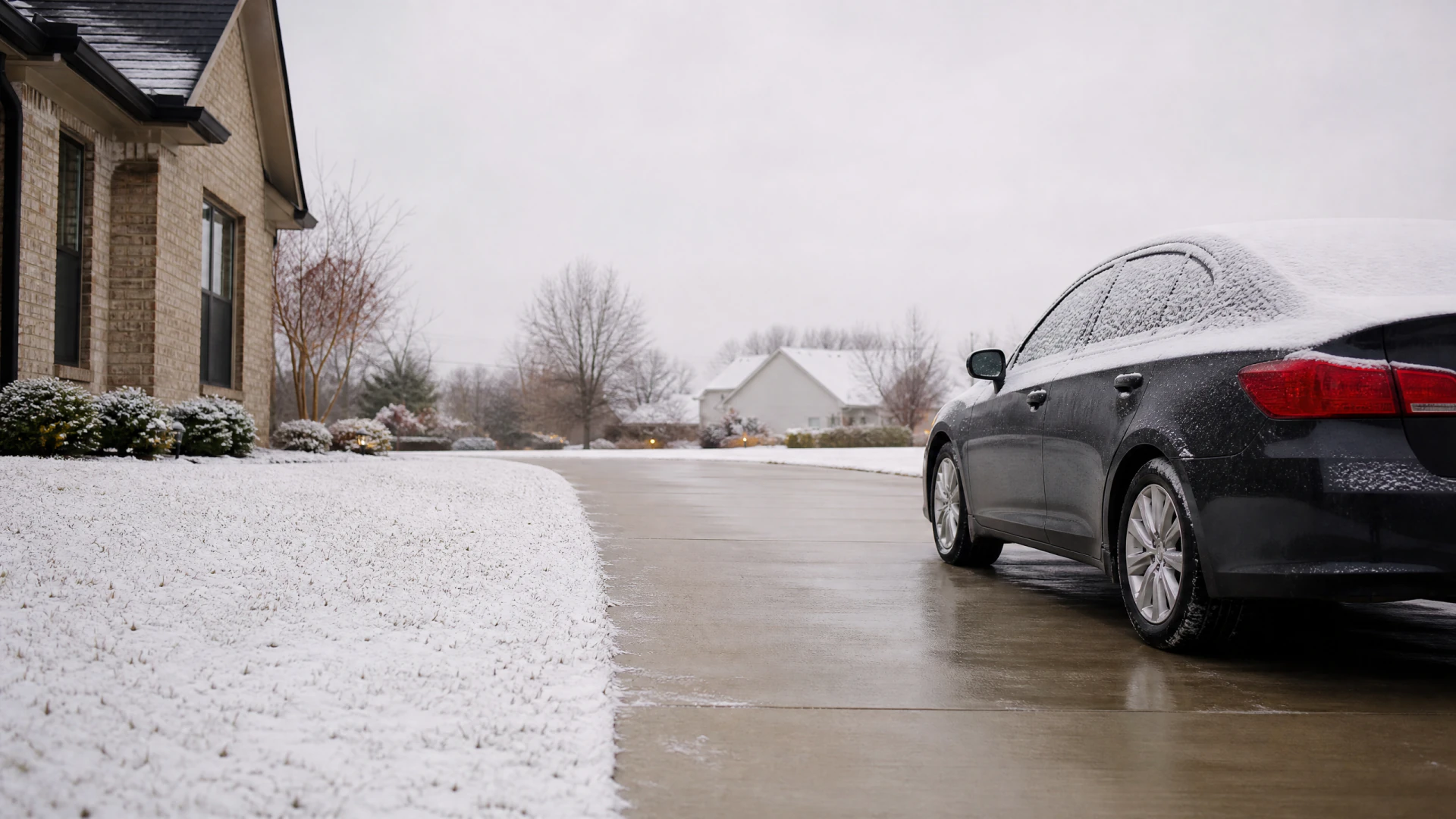
You're pulling out of your new driveway on a cold morning and the road curves sharper than you expected. You slide on a patch of ice, the car fishtails, and the front end clips a tree at the edge of the yard. Nobody's hurt, but the bumper is cracked and a headlight is smashed.
You call your insurer and ask how this gets classified. They confirm it falls under collision, not comprehensive, since your car was in motion when it hit the tree. You check your deductible and compare it to a repair estimate from a body shop. The repair costs just a bit more than your deductible, so you decide to file. The claim is processed within the usual timeframe, your car gets fixed, and you make a note to ask your insurer directly about how this specific claim might affect your renewal.

Moving car, tree, impact. That's collision, not comprehensive, and it decides everything that follows.
Now that you know hitting a tree is a collision claim, compare quotes to see what your coverage would cost.
Will my rate go up if I file a claim for hitting a tree?
Probably, but not always, and it depends on your insurer and your history. Single-car collisions are usually treated as at-fault claims because there's no other driver to share responsibility with, and at-fault claims are the type most likely to affect your rate at renewal.
How much it goes up, and for how long, varies by insurer and sometimes by state rules. Some insurers offer accident forgiveness that can prevent a first claim from affecting your rate at all. Before you file, call your insurer and ask directly how this specific claim would be treated, since that answer matters more than any general rule.

Filing the claim versus paying for repairs yourself
If you do
You pay your deductible, the insurer covers the rest, and your car gets fixed without draining your savings. Expect possible questions about the accident, a claims adjuster inspection, and a rate review at your next renewal depending on your insurer's rules.
If you don't
You pay the full repair cost yourself, but your claims history stays clean and your rate likely won't move. This makes sense when the damage is close to or less than your deductible, since filing wouldn't save you much anyway.
Does hitting a tree count as an at-fault accident?
Yes, almost always, since there's no other driver involved to share the blame. Insurers typically classify single-car incidents like this as at-fault, which is part of why they can affect your rate. Check with your insurer directly, since a few offer programs that treat a first incident differently.
What's the difference between collision and comprehensive coverage?
Collision covers your car hitting something, like a tree, a pole, or another vehicle. Comprehensive covers things that happen to your car without you driving into them, like a falling branch, hail, or theft. Whether your car was moving and caused the impact is the key detail that determines which applies.
Should I file a claim or pay out of pocket for tree damage?
File if the repair cost is well above your deductible, and consider paying yourself if it's close or below. Also weigh how a potential rate increase compares to what you'd save by filing. Ask your insurer for specifics before deciding, since their answer will be more accurate than any general guideline.