Is Hitting a Tree an At-Fault Accident
Yes, hitting a tree is treated as an at-fault accident because there's no other driver to share the blame.

What decides how this plays out for you
- Who pays first Your collision coverage pays for your car since no other driver was involved. If you dropped collision when you bought the house, check your policy before you assume you have it.
- Fault still gets recorded Fault doesn't require another car to be on the road. Your insurer will mark this as at-fault because you lost control or left the road, and that stays on your record.
- Your deductible applies You'll pay your collision deductible before coverage kicks in. Know what that number is now, not after the tow truck already came.
- Rates usually rise at renewal One at-fault claim typically pushes your premium up at your next renewal, not immediately. Ask your insurer directly how long that follows you before you decide whether to even file.
- Comprehensive is different If the tree fell on your parked car, that's comprehensive, not collision, and it's usually not at-fault. Check which situation actually happened before you assume the worse outcome.
Should I even file a claim if the damage is minor?
That depends on how the repair cost compares to your deductible and how much a rate increase would cost you over time. If the damage barely clears your deductible, filing might net you very little while still marking an at-fault accident on your record.
Call your insurer or agent and ask two things before you decide. First, get an estimate of the repair cost. Second, ask how an at-fault claim at this size would affect your premium at renewal and for how long.
If the gap between what you'd recover and what you'd pay in higher premiums is small, paying out of pocket can be the better move. If the repair is expensive, filing almost always makes sense even with a rate increase ahead.

Filing a claim versus paying for it yourself
If you do
You file the claim. Your insurer pays for repairs above your deductible, you get your car fixed quickly, and the accident goes on record as at-fault. Expect your premium to rise at your next renewal, and ask your insurer how long that increase sticks around.
If you don't
You pay out of pocket and skip filing. Your rates stay where they are and no at-fault accident shows up from this incident. You're on the hook for the full repair cost now, so this only makes sense if that cost is close to what your deductible would have been anyway.
Now that you know this will be filed as at-fault, compare quotes to see how it actually changes what you'd pay.
Sliding off an icy driveway into a tree
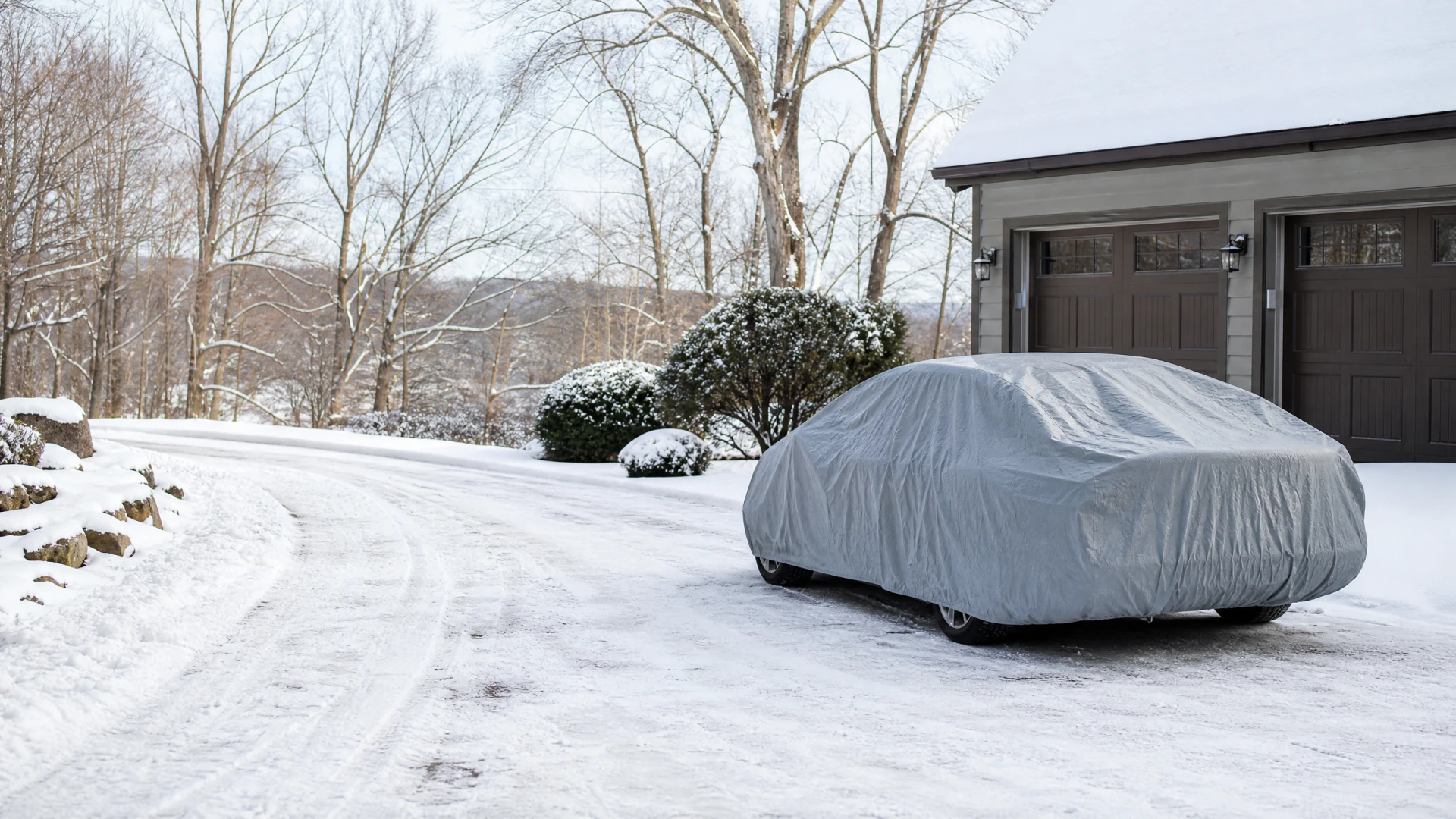
You pull out of your new driveway on a cold morning, the tires lose grip on a patch of ice, and the car slides into a tree at the edge of the yard. Nobody else is involved, there's no other car, just the tree and your bumper. You call your insurer that afternoon to ask how this gets handled.
They confirm it falls under your collision coverage and that it will be recorded as an at-fault accident, since fault doesn't need another driver to apply here. You ask about the deductible and find out the repair estimate comes in close to it. You decide to pay for the bumper yourself instead of filing, since the payout would barely cover more than the deductible and you'd rather avoid a rate increase at renewal. The adjuster notes it as a call only, not a claim, and your rate doesn't move at your next renewal.
Does hitting a tree count as a not-at-fault accident ever?
Rarely, but it can if something outside your control caused it, like a mechanical failure the manufacturer is responsible for or another driver forcing you off the road. Without evidence of that, insurers default to treating it as at-fault since you were the only one driving. Check your state's rules on contributing factors and gather any evidence, like a police report, if you believe something else caused it.
Will my insurance drop me after hitting a tree?
One at-fault accident alone usually isn't enough to get dropped, but it depends on your insurer and your history. If you've had other claims or violations recently, this could push you over a threshold some insurers use. Ask your insurer directly what their policy is on multiple claims, and check your state's rules on non-renewal notice requirements.
How long does an at-fault accident stay on my record?
It typically stays on your driving record and affects your insurance rates for several years, though the exact length varies by insurer and by state. Ask your insurer directly how long this specific claim will factor into your premium. Some states also have rules about how long accidents can be reported on your official driving record, which is separate from how your insurer prices you.