Is Higher Liability Car Insurance Coverage Worth It
Yes, now that you own a home, raising your liability limits is worth the small added cost for the protection it buys.
Your assets are now the thing a lawsuit can reach
Liability coverage pays for the other side when you cause an accident, their car, their medical bills, their lost income. The state minimum was set as a floor, not a recommendation, and it's often low enough that one bad accident can blow through it fast. When that happens, the person suing you can come after what you own, and that now includes a house with equity in it.
Before you owned a home, there often wasn't much to take if a judgment went against you, so carrying minimum limits was a smaller gamble. That math changes once you have an asset worth protecting. The cost difference between low and high liability limits is usually small because the insurer is pricing the likelihood of a big payout, not just any payout, and big payouts are rare. You're paying a little more to remove a scenario that could otherwise cost you the equity you just built.
Where this plays out differently is based on how much you actually have to lose and what your state allows. Some states let judgment creditors reach home equity easily, others have homestead protections that shield some or all of it, so what's actually at risk depends on where you live. Check your state's rules on this, because it directly affects how much coverage makes sense for you.
The other variable is an umbrella policy, which some insurers only offer once your underlying liability limits hit a certain point. If you're considering extra protection beyond standard liability limits, ask your insurer what their underlying requirement is before you pick a number.
A new homeowner raises limits instead of leaving them alone
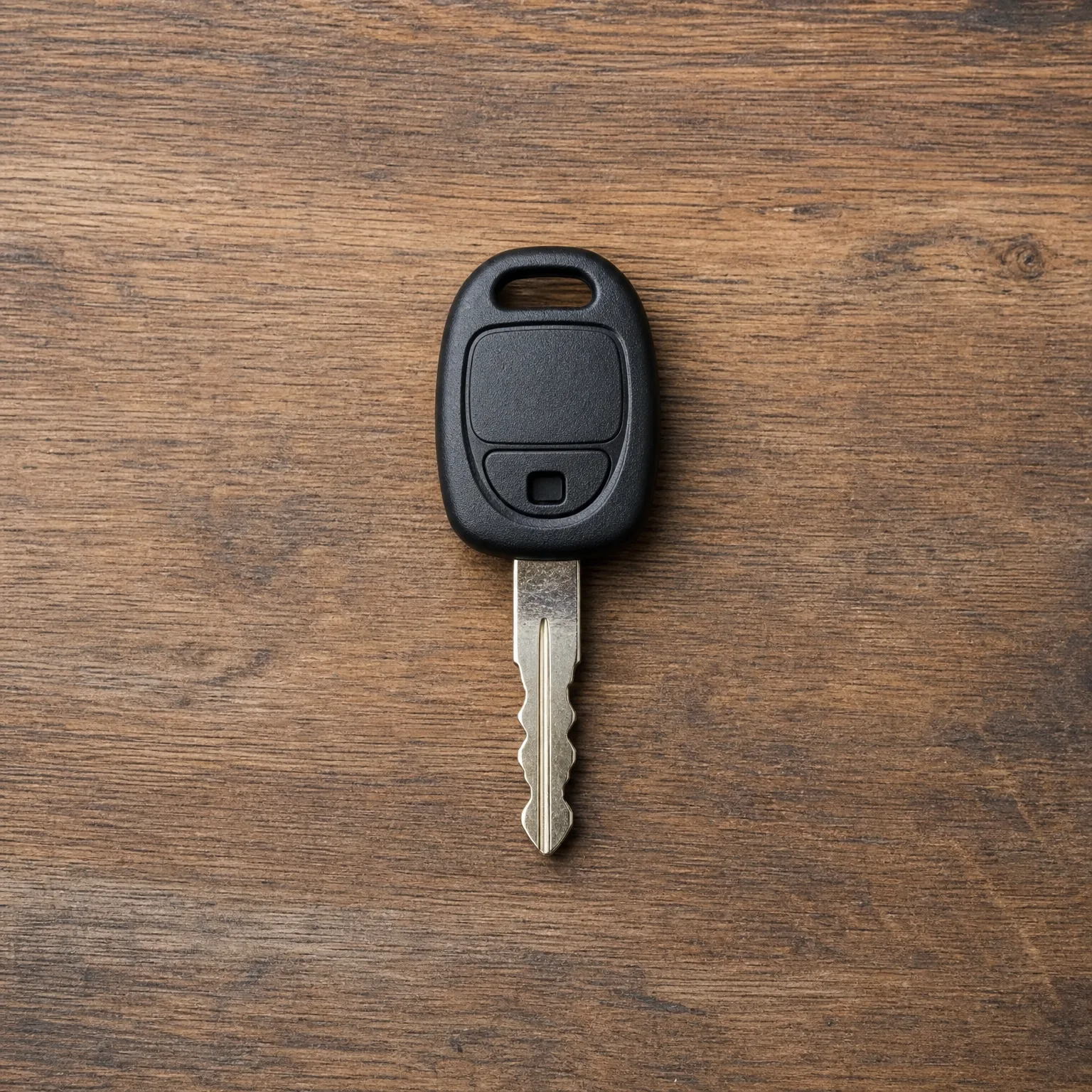
A couple who'd just closed on their first house called their insurer to update the address on their car policy. The agent asked if they wanted to review their liability limits while they were at it, since the policy had been set up years earlier when neither of them owned property. They almost said no, since the house closing had already eaten enough of their attention, but they asked what it would cost to go higher.
The difference turned out to be a modest amount per car, not enough to change their monthly budget in any real way. They raised the limit, mentioned the new garage parking since it sometimes lowers risk pricing, and asked about bundling with the new homeowners policy. The bundle brought the total back down close to what they'd been paying before, so the higher protection ended up costing them almost nothing extra once everything was combined.
Compare quotes at the higher limit you've settled on, including bundled options, to see what it actually costs.

Raising your liability limit now versus leaving it as is
If you do
You pay a bit more per car, often less than you'd expect. If you cause a serious accident, the coverage absorbs far more of the claim, keeping your savings and home equity out of reach of a lawsuit. You also open the door to an umbrella policy later for even more protection.
If you don't
You keep paying the lower premium today. But if you cause an accident costing more than your limit, you owe the difference personally, and a judgment can reach your accounts or home equity depending on your state. One bad afternoon on the road could undo what the house took years to build.
What actually changes the math on raising your limit
- What you own now Home equity is now something a judgment could reach, which it usually wasn't before. The more you have, the stronger the case for higher limits.
- Your state's rules Some states shield home equity from judgments more than others. Check your state's homestead protection before deciding how much coverage you need.
- Umbrella eligibility Many umbrella policies require a minimum underlying liability limit to qualify. Ask your insurer what that threshold is before picking a number.
- Bundling with your home policy Combining your car and home insurance often brings meaningful discounts. Ask for a bundled quote at the higher limit before comparing it to staying separate.
- Who else drives your cars Every driver on your policy adds to your risk exposure. If more people drive your cars now, that's another reason to raise the limit rather than lower it.
Once you own a home, the risk isn't the accident, it's what a lawsuit can take from you afterward.