Is Hail Damage Covered by Full Coverage Insurance
Yes, hail damage is covered if your policy includes comprehensive coverage, which most full coverage policies do.
Comprehensive coverage is what actually pays for hail, not liability
Full coverage isn't one specific thing. It usually means your policy includes liability, which is required almost everywhere, plus comprehensive and collision, which are not required unless a lender requires them. Hail falls under comprehensive, because comprehensive pays for damage to your own car from events you didn't cause and couldn't control, like weather, falling objects, animals, or theft. If your policy has comprehensive, hail is covered. If it doesn't, nothing pays for it except you.
This is also why your lender cared about this the moment you bought the house. A lender wants the car protected the same way they want the house protected, because the car is collateral on a loan just like the house is. If you financed the car, your lender likely required comprehensive and collision. If you own the car outright, you may have dropped comprehensive at some point to save money, and that choice matters a lot more in places that get hail.
What changes the math is your deductible and your car's value. Comprehensive claims, including hail, are subject to a deductible you chose when you set up the policy. If the repair cost is close to or below that deductible, filing a claim doesn't help you. If your car is older and worth little, you might decide the cost of carrying comprehensive isn't worth it anymore, hail risk or not.
One thing does vary by state and by insurer, which is how they handle hail claims specifically. Some insurers treat hail as a special category with its own deductible, separate from other comprehensive claims. Check your policy documents or ask directly, since this affects what you'd actually pay out of pocket.
A hailstorm hits two weeks after you move in
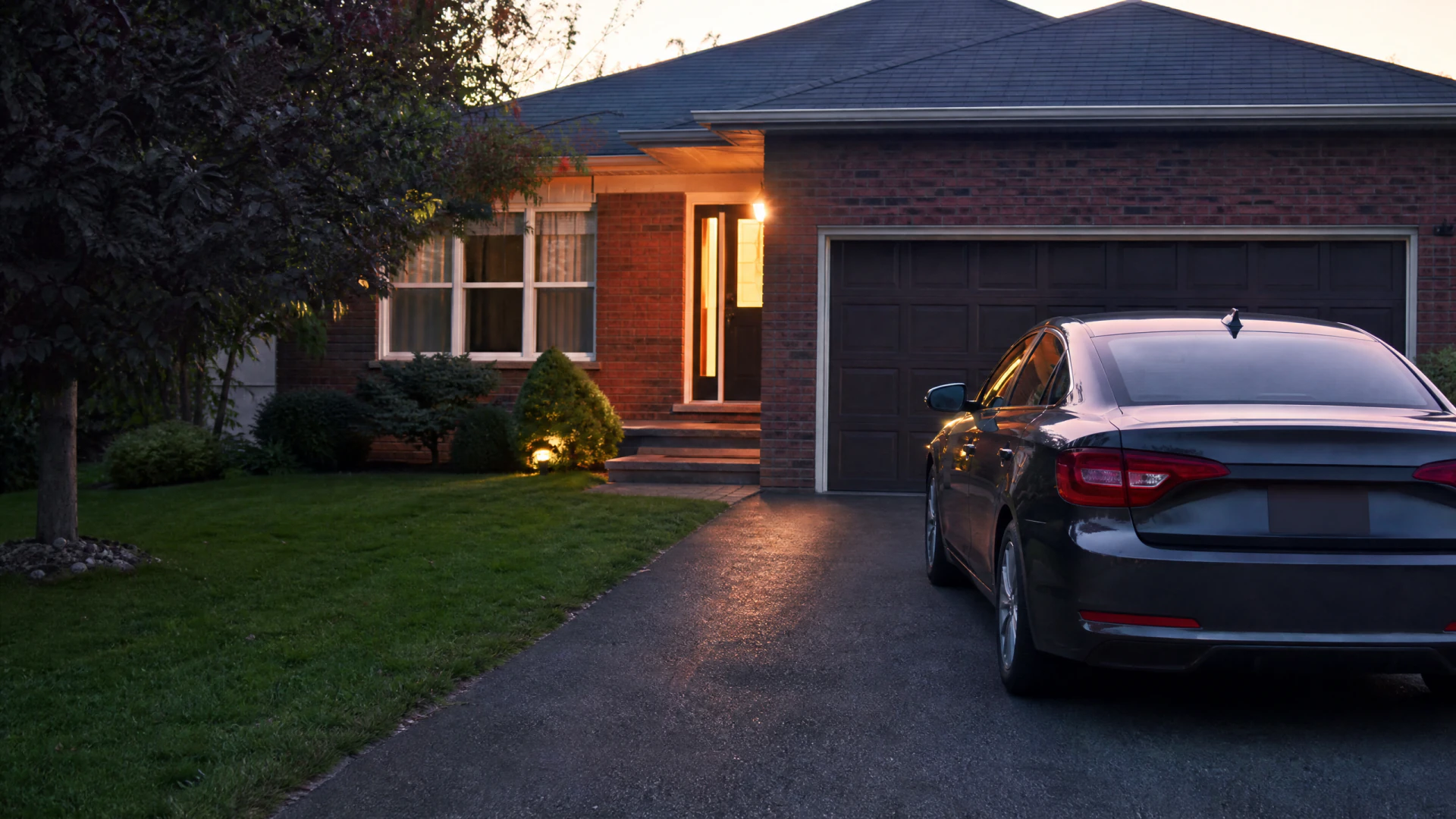
Say you just bought the house and parked both cars in the new driveway because the garage was still full of moving boxes. A storm rolls through and leaves dents across the hood and roof of one car. You pull up your policy and see comprehensive listed, so you know the damage itself is covered. The next question is whether filing makes sense given your deductible.
You get an estimate, and the repair cost comes in well above your deductible, so you file the claim. The insurer sends an adjuster, documents the dents, and approves the repair. You pay your deductible and the rest is covered. Afterward, you move both cars into the garage going forward, not because the policy required it, but because it lowers the chance of this happening again and may matter when you shop for quotes later.

Now that you know hail falls under comprehensive, compare quotes to see what that coverage costs with your new address.

Deciding whether to keep comprehensive coverage
If you do
You stay protected against hail, theft, falling branches, and similar damage, which matters most if you park outside or live somewhere storms are common. You pay a bit more for the policy, but a single hailstorm can cost far more than that difference, especially on a newer or financed car.
If you don't
You save money on your premium every month, but you pay the full repair cost yourself if hail, theft, or another covered event damages your car. This usually only makes sense for an older car worth little, where the payout wouldn't justify the coverage cost anyway.

What to check before you assume you're covered
- Confirm comprehensive coverage Full coverage is a general term, not a guarantee. Pull up your declarations page and look specifically for comprehensive, not just liability and collision.
- Check your deductible Your deductible determines whether filing a hail claim is worth it. If repairs would cost close to or less than your deductible, paying out of pocket may make more sense.
- Ask about hail deductibles Some insurers apply a different deductible specifically to hail or weather claims. Ask your insurer directly so you know the real cost before a storm hits.
- Factor in your new garage If your new home has a garage you didn't have before, mention it when you shop for quotes. Covered parking can affect what you pay for comprehensive.
- Reconsider older car coverage If one of your cars is old enough that repairs would exceed its value, think about whether comprehensive still makes sense for that car specifically.
Does filing a hail claim raise my car insurance rate?
It can, but less predictably than an at-fault accident, since comprehensive claims are often treated more leniently because the damage wasn't your fault. Still, filing multiple comprehensive claims in a short period can affect your rate at renewal. Check with your insurer about how they specifically treat weather claims, since this varies by insurer. If the repair cost is only slightly above your deductible, weigh the modest payout against any chance of a rate increase.
Should I bundle my car and home insurance now that I own a house?
Bundling often lowers your combined cost, but not always, so it's worth comparing bundled and separate quotes rather than assuming. Insurers frequently offer a discount for holding both policies with them, which can offset the convenience of one bill and one point of contact. The only way to know is to get a quote for your car policy alone and a bundled quote with your home policy, then compare both against what you're paying now.
Does parking in a garage actually lower my insurance cost?
Often yes, because covered parking reduces the chance of weather damage, theft, and vandalism, which insurers factor into comprehensive pricing. The effect depends on your insurer and your location, since it matters more in places with frequent hail or high theft rates. Mention your garage when you get quotes rather than assuming your current insurer already knows, especially since your address changed when you moved.