Is Car Insurance Worth It
Yes, because one bad accident without it could cost you more than years of premiums combined.
What to weigh before you decide what to keep
- What you'd lose without it A single at-fault accident can mean paying for another person's car, medical bills, and repairs out of pocket. Insurance exists to stop one bad day from becoming years of debt.
- Your lender may require it If you financed a car, the lienholder likely requires coverage on that vehicle. Check your loan documents so you know the minimum you're required to carry.
- Your new address matters Where you live changes your rates because claims patterns differ by area. Update your address with your insurer now so your coverage and price reflect where you actually live.
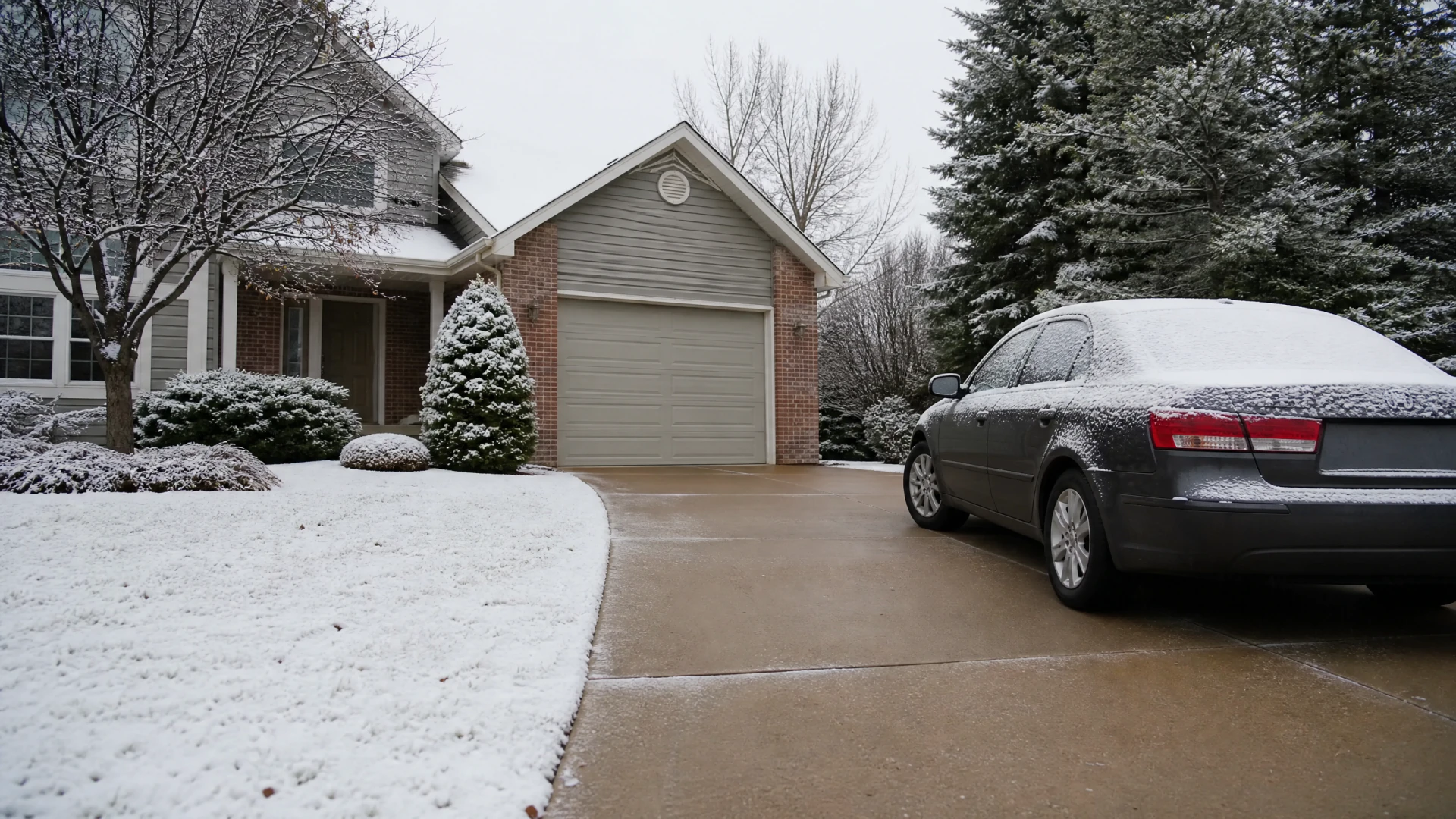
- A garage can change things Keeping a car in a garage instead of on the street may lower your risk profile. Tell your insurer if your parking situation changed with the move.
- Bundling isn't automatic savings Combining home and auto with one insurer sometimes lowers the total cost, but not always. Ask for the bundled price and the separate prices so you can actually compare.
How much coverage do you actually need now?
It depends on what you have to lose. The state minimum is the legal floor, not a safe target. It usually covers very little, and if a serious accident exceeds it, you pay the rest yourself. Now that you own a home, you have more to protect. A judgment against you after an accident can reach savings, wages, or other assets, so carrying higher liability limits makes more sense than it did when you had less at stake.
Collision and comprehensive coverage are a separate decision tied to your car's value, not your assets. If your car is older and worth little, paying for this coverage may not make sense. If it's newer or still financed, it usually does. There's no single right number for everyone, but the logic is the same: match your coverage to what you'd actually lose, not to the cheapest option on the page.

Now that you know what to keep and what to raise, compare quotes to see what that coverage actually costs.

A couple updates their policy after moving in
A couple bought their first house and moved from an apartment a few towns over. They still had the same car insurance policy from years earlier, written for their old address and old commute. After closing on the house, they sat down to figure out what needed to change. Their new commute was shorter, they now had a garage instead of street parking, and they wanted to know if combining the new home policy with their car insurance would help.
They called their insurer, updated the address, and mentioned the garage. They asked for a bundled quote alongside their current separate price, and the bundled option came out lower. They also asked about raising their liability limits since they now owned a home and had more to lose if they caused a serious accident. The agent explained the reasoning, they raised the limits, and their monthly cost went up only slightly. They felt the new policy actually matched their life instead of a version of it from years ago.
Your insurance should match what you have to lose today, not what you had when you first bought the policy.
Does my car insurance rate change when I move?
Yes, your rate is tied to where the car is kept overnight. Different areas have different patterns of claims, theft, and accidents, so your premium can rise or fall after a move. Insurers also vary in how heavily they weigh location, so check with yours directly rather than assuming the change will be small either way.
Should I raise my liability limits after buying a house?
Most people in this situation should consider it, since owning a home gives you more for a lawsuit to reach after a serious accident. Higher limits cost more, but usually not dramatically more compared to the protection they add. Ask your insurer for the price difference between your current limits and higher ones before deciding.
Is bundling home and auto insurance actually cheaper?
Sometimes, but not always, so you have to ask for both prices to know. Insurers price bundles differently, and a bundle discount can still end up costing more than buying each policy separately from different companies. Get a bundled quote and separate quotes side by side before assuming the bundle wins.