Is Car Insurance More Expensive for First Time Home Buyers
Owning a home doesn't make car insurance cost more, but the move itself usually does, one way or the other.

What actually changes your rate after a move
- Your new zip code Insurers price by location because claim rates, theft and repair costs differ by area. Pull your new zip code up with any insurer's quote tool before you assume your rate stayed the same.
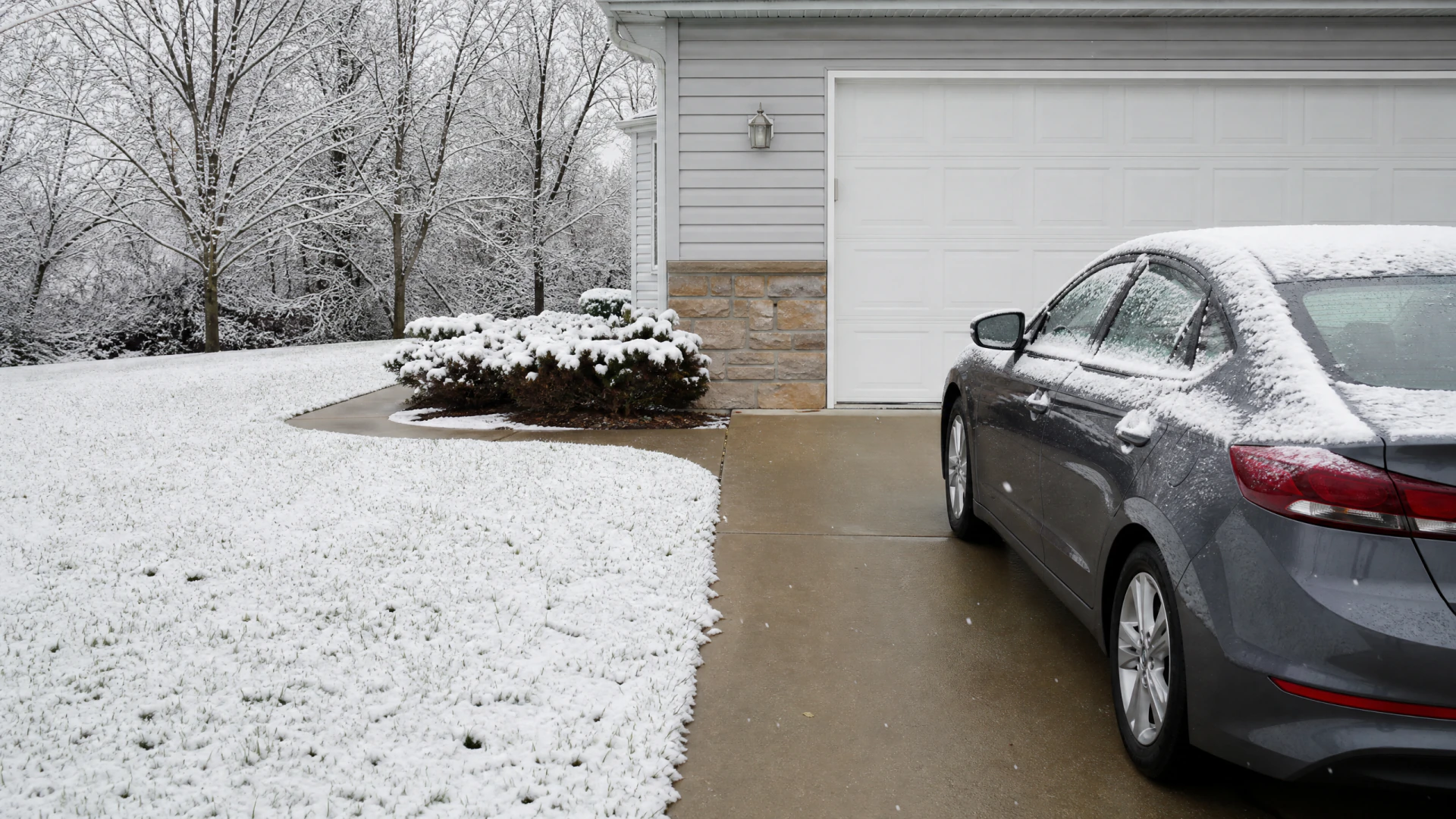
- Parking in a garage A car parked in a garage or driveway is less exposed to weather, theft and hit and run damage than one parked on a street. Tell your insurer where the car sleeps now, since this can lower your cost.
- Bundling home and auto Combining your home and car policies with one insurer often unlocks a discount on both, but only if that insurer is competitive on each policy alone. Price them separately too, so the bundle discount isn't hiding a worse base rate.
- Your commute distance A new commute changes how many miles you drive each year, and mileage affects your premium. Update your estimated annual mileage with your insurer instead of leaving an old number on file.
- Raising your liability limits Owning a home gives you an asset that a lawsuit could go after, which is a reason many people raise their liability coverage after buying. This is a choice about protection, not a cost imposed on you, so decide it on purpose.

The short version
Buying a home doesn't automatically raise your car insurance. What changes your rate is your new zip code, where you park, your new commute and whether you raise your liability limits. Update your address and mileage with your insurer, price a bundle against separate policies, and decide your limits before you compare quotes.
A couple moves across town and checks their policy
A couple bought their first home about fifteen minutes from their old rental, close enough that they almost didn't bother updating anything. One of them worked from home now instead of commuting, and the new place had an attached garage where the old apartment only had street parking. They updated their address and mileage with their insurer out of habit more than urgency.
The quote came back lower, not higher. The garage parking and the shorter, less frequent commute outweighed any difference in zip code risk. They also ran a bundled quote with their new homeowners insurer alongside quotes from two other companies for car insurance alone. The bundle won, but only after they'd confirmed the standalone price wasn't better elsewhere. They raised their liability limits a notch given the home they now owned, which added a little to the premium, and considered that part the cost of the protection, not a surprise.
You know what to update and what to compare, so get quotes now and see what your new situation actually costs.
Why the move changes the math, not the ownership
Car insurance prices risk, and risk is tied to where and how a car is actually used, not to whether you rent or own. Buying a home is rarely just a change in legal status. It usually comes with a new address, a new parking situation and a new daily routine, and each of those feeds directly into how an insurer calculates your rate.
Zip code matters because insurers track claims data by area, including accident frequency, theft rates and the cost of local repairs. Moving to a denser area or a place with higher theft rates can raise your rate, while moving somewhere quieter can lower it. This is true everywhere, though the exact rating factors and how heavily they're weighted vary by state and by insurer, so check your new quote rather than assuming either direction.
Where you park works the same way. A garage or covered driveway reduces exposure to weather damage, theft and vandalism, and most insurers ask about this directly because it correlates with fewer claims. Commute distance matters because more time on the road means more exposure to accidents, so a shorter or eliminated commute after a move can meaningfully lower your mileage estimate and your price.
Where it plays out differently is credit based pricing and liability limits. Some states factor credit history into your rate, and a new mortgage can shift that temporarily, while other states don't allow credit based pricing at all. Raising your liability limits to protect your new equity is a personal choice that adds cost but isn't something any insurer requires, so it's worth separating from the changes that happen automatically.
Nothing about owning a home raises your rate by itself. The move around it does, and you control most of that.
Should I raise my liability coverage after buying a home?
Many people do, and it's worth considering seriously. Owning a home means you now have an asset a lawsuit could target if you're found at fault in a serious accident, so higher liability limits protect that equity. Check your state's minimum requirements, then weigh the cost of higher limits against what you'd stand to lose. This isn't required by owning a home, but it's a common and reasonable choice once you do.
Does my credit score affect my car insurance after a mortgage?
In many states, yes, insurers use credit based scoring as one factor in pricing, and a new mortgage can temporarily affect your credit. Check whether your state allows this practice, since some states ban it outright. If it applies to you, a temporary dip from a new credit inquiry or higher debt load could shift your rate slightly, but it typically recovers as your credit history with the mortgage builds.
Will adding a second car change what I should bundle?
It might, because multi car discounts and bundling discounts stack differently depending on the insurer. Ask any insurer you're considering how they handle multiple cars alongside a home policy, since some offer steeper discounts the more policies you combine. Compare that combined price against pricing each policy separately, since a bundle isn't automatically cheaper just because it's convenient.