Is Car Insurance Cheaper in a Bad Neighborhood
No, a higher crime or higher claims area almost always raises your rate, it doesn't lower it.
What your new address actually changes
- Claims history of the area Insurers price your zip code based on how often claims happen there, not how the neighborhood looks or feels. A street with frequent theft or vandalism claims costs more to insure, regardless of other factors.
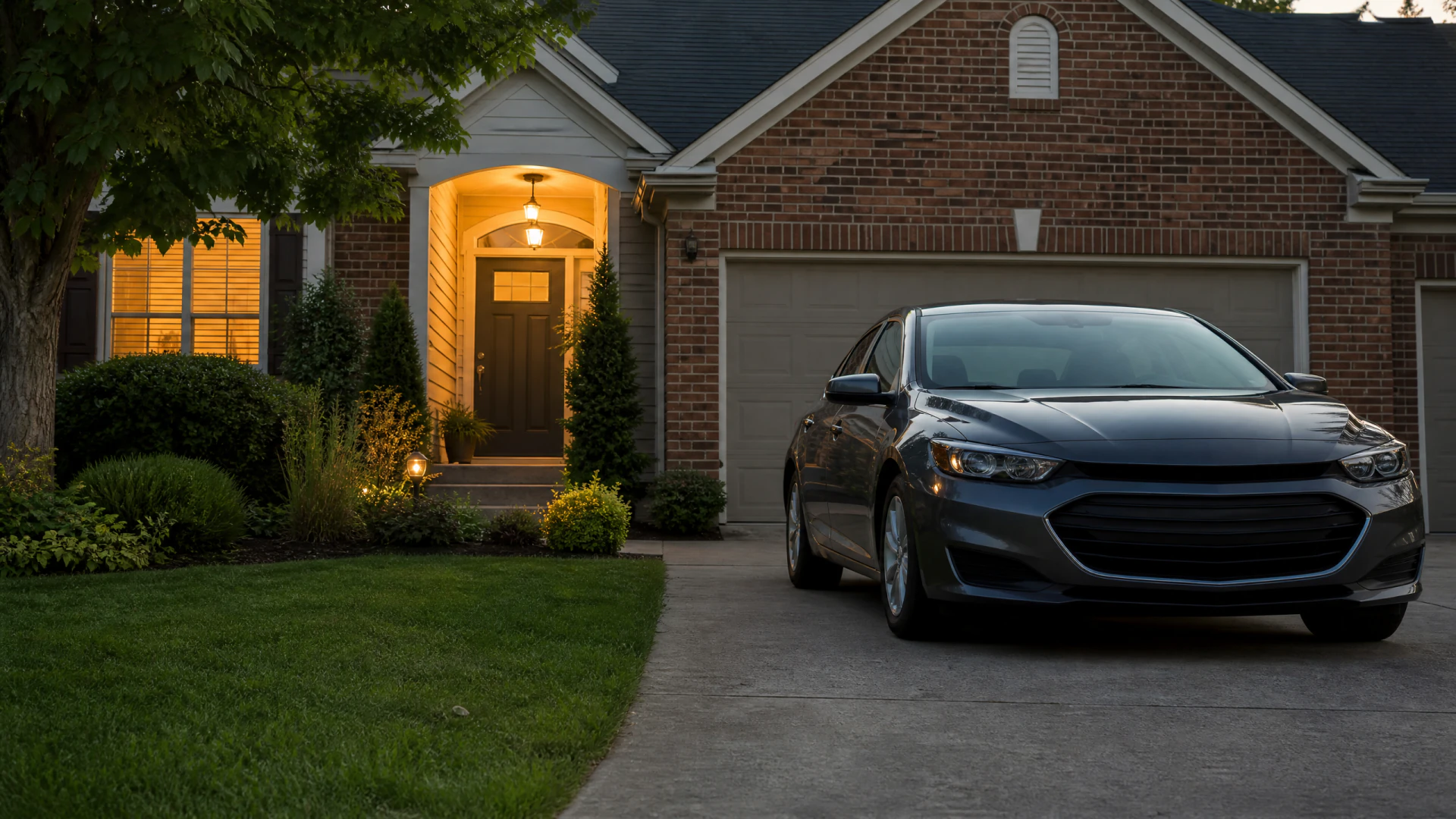
- Theft and vandalism rates Areas with more reported car theft or break ins push rates up because the insurer expects to pay out more often. Parking in a garage or driveway instead of the street can help offset this.
- Accident and repair patterns Dense traffic, more congestion or more uninsured drivers nearby can raise rates even without crime being the cause. Check how your new area compares to your old one on these points, not just reputation.
- Your specific coverages Comprehensive coverage reacts most to neighborhood risk since it covers theft and vandalism. Liability and collision are driven more by how and where you drive, so they shift less.
- What to verify with your insurer Ask directly how your new address changed each coverage line, not just the total premium. That tells you which risks actually moved and whether a garage or added security could bring the cost back down.
Will parking in a garage actually lower my rate?
Yes, in most cases parking in a garage or secured driveway instead of on the street can lower your comprehensive premium, because it reduces the chance of theft or vandalism claims, which is exactly what that part of your coverage prices for.
The effect depends on how much the insurer weighs off street parking for your specific area. In places where theft is rare to begin with, the discount will be small because there was little risk priced in to begin with. In places where theft or break ins are common, moving your car off the street can meaningfully change the comprehensive portion of your bill.
Tell your insurer exactly where the car is parked overnight, since this detail isn't always pulled in automatically after a move. If you have access to a garage, a gated lot or even a monitored driveway, ask specifically how that changes your quote before you accept the new premium as final.
The address you now live at is pricing your policy whether you've told your insurer or not.
Now that you know what your address really changes, compare quotes to see what your new rate should actually be.

Updating your address with your insurer
If you do
Your policy reflects your real risk, so your premium is accurate and any claim gets paid without question. You also find out right away if a garage, added security or your new area itself can lower your comprehensive cost.
If you don't
Your policy is priced on an address you no longer live at, which can mean paying for the wrong risk entirely. Worse, a claim can be delayed or denied for misrepresenting where the car is actually kept.
Why insurers price your address this closely
Insurers set prices by predicting how often they'll pay claims, and location is one of the strongest predictors they have. An address carries a track record, how often cars are broken into there, how often accidents happen, how often claims get filed at all. None of that depends on how a neighborhood looks or what its reputation is.
This is why two areas that seem similar can price very differently, and why an area people assume is undesirable can sometimes be cheaper. What matters to the insurer isn't perception, it's the actual claims data tied to that specific location, which doesn't always match outside assumptions.
The variation shows up unevenly across coverages. Comprehensive moves the most because it covers theft and vandalism, the risks most tied to where a car sits unattended. Liability and collision move less, since those depend more on how you drive and how much traffic surrounds you, not just where you park overnight.
What changes your outcome is specific, not general. A garage, a gated lot, a lower car theft rate nearby, or even your insurer weighing local risk differently than a competitor, any of these can shift your price in either direction. That's exactly why checking your actual new numbers matters more than guessing from reputation alone.