Is Car Insurance Based on ZIP Code or Address
Your insurer prices you by your full address, and your ZIP code is just one layer inside that.
Your full address feeds the price, not just the ZIP
Insurers want to know the real risk tied to where your car sleeps at night and where it's driven every day. A ZIP code gives them a rough neighborhood, but your specific address narrows that down further, down to the block, the kind of parking, and the local claims history for homes near yours. That's why two people with the same ZIP code can still get different quotes.
What your address tells an insurer is mostly about risk of loss. That includes theft rates nearby, how often accidents get reported in that area, local weather damage like hail or flooding, and even how expensive it tends to be to repair cars or treat injuries in that region through nearby shops and hospitals. None of this is about you personally, it's about the environment your car sits in.
This is also why moving changes your rate even if nothing else about you changed. A new address means a new risk profile gets layered onto your existing driving record and coverage choices. Sometimes that means your rate goes down, sometimes up, and it depends entirely on how the new area compares to the old one.
How exactly address data gets used varies by insurer and by state. Some states limit how much location can affect price, and some insurers weigh it more heavily than others. Check with your insurer directly about what changed when you update your address, since the shift can be larger or smaller than you'd expect.
What actually changes your price after a move
- Your exact address This replaces your ZIP code as the real pricing input. Update it with your insurer as soon as you move so your quote reflects where you actually live now.
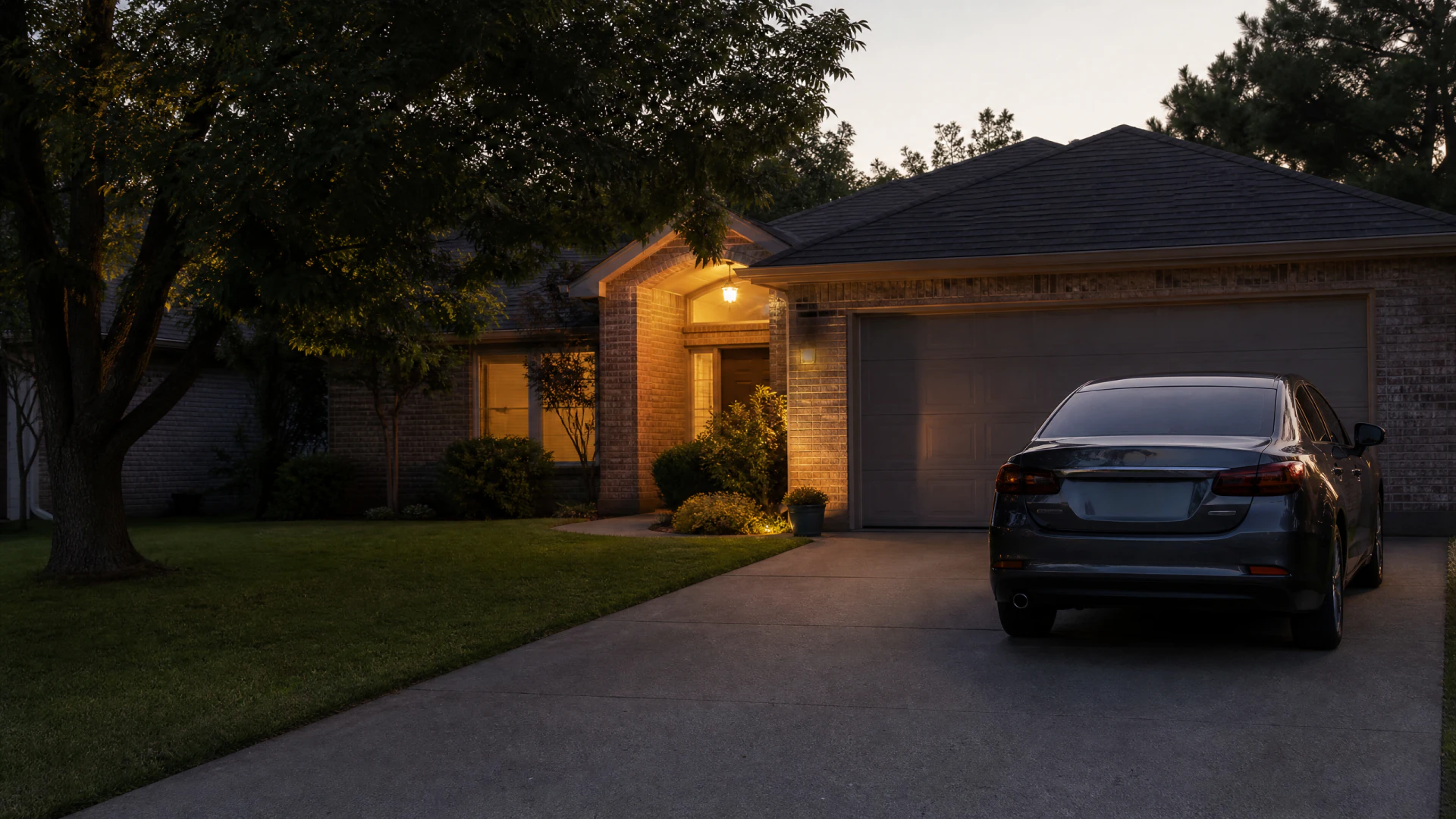
- Garage or driveway parking Cars parked in a garage overnight are often seen as lower risk than street parking. Tell your insurer if your new home changed how your car is stored.
- Local claims and theft history Areas with more reported theft or accidents can push rates up regardless of your own record. This is baked into the address itself, not something you can change.
- Commute distance and mileage A new commute changes how much you're driving and how often you're exposed to risk. Update your estimated mileage so your quote reflects your real routine.
- Bundling with your home policy Combining home and auto with the same insurer can lower both, but only if that insurer prices your new address well. Compare the bundle against separate quotes before assuming it's cheaper.
Now that you know your address drives the price, compare quotes to see what your new one actually costs.

Updating your address with your insurer
If you do
Your policy reflects where you actually live, so your coverage is valid and your price matches your real risk. You may see your rate shift up or down. You'll also find out quickly if bundling with your home policy is worth it at this address.
If you don't
Your old address stays on file, which can delay or complicate a claim if the insurer finds the mismatch. You might be underpaying for now, but you're also carrying risk that your policy isn't accurately priced or fully valid.
Does my car insurance change if I move to a different city in the same state?
Yes, it can, because pricing follows your specific address, not just the state. A different city often means different theft rates, claims history, and repair costs nearby, even if the distance is short. Update your address as soon as you move so your quote reflects the new location. The size of the change depends on how different the two areas are, so check with your insurer rather than assuming a small move means a small shift.
Will my insurance go up if I move to a city with more traffic?
It can, since busier areas often mean more accidents and claims nearby, which insurers factor into pricing. But traffic alone isn't the whole picture, your exact address, parking situation, and local theft rates matter too. Some busy areas price lower than quieter ones depending on claims history. The only way to know for sure is to get a quote for the new address directly rather than guessing from traffic alone.
Do I need to update my insurance if I only move within the same ZIP code?
Yes, because even within one ZIP code, your exact address still matters to your insurer. Parking situation, local claims nearby, and block-level risk can differ even a few streets over. It may not change your price much, but your insurer should still have your current address on file for claims and billing accuracy. Check your policy terms, since some insurers require updates regardless of how small the move is.
Your ZIP code is a shortcut insurers use, but your actual address is what sets the real price.