Is a Parking Garage Liable for Damage to Your Car
Usually not, unless the garage's own negligence caused the damage, and your own car insurance is still your fastest path to getting paid.
What decides whether the garage owes you anything
- Read the ticket fine print Most parking tickets and posted signs disclaim liability for damage. That doesn't always hold up legally, but it shapes how hard the garage will fight before paying anything.
- Look for garage negligence If a gate arm fell, a structural issue caused damage, or staff caused it while parking your car, the garage is more likely liable. Random dents from other drivers usually aren't on them.
- Check who actually hit you If another driver's car caused the damage, that driver's insurance is the first place to go, not the garage. Get their information if you can, same as any parking lot incident.
- Call your own insurer first Your collision coverage will often pay out faster than chasing the garage, regardless of fault. You can still pursue the garage separately if their negligence is clear.
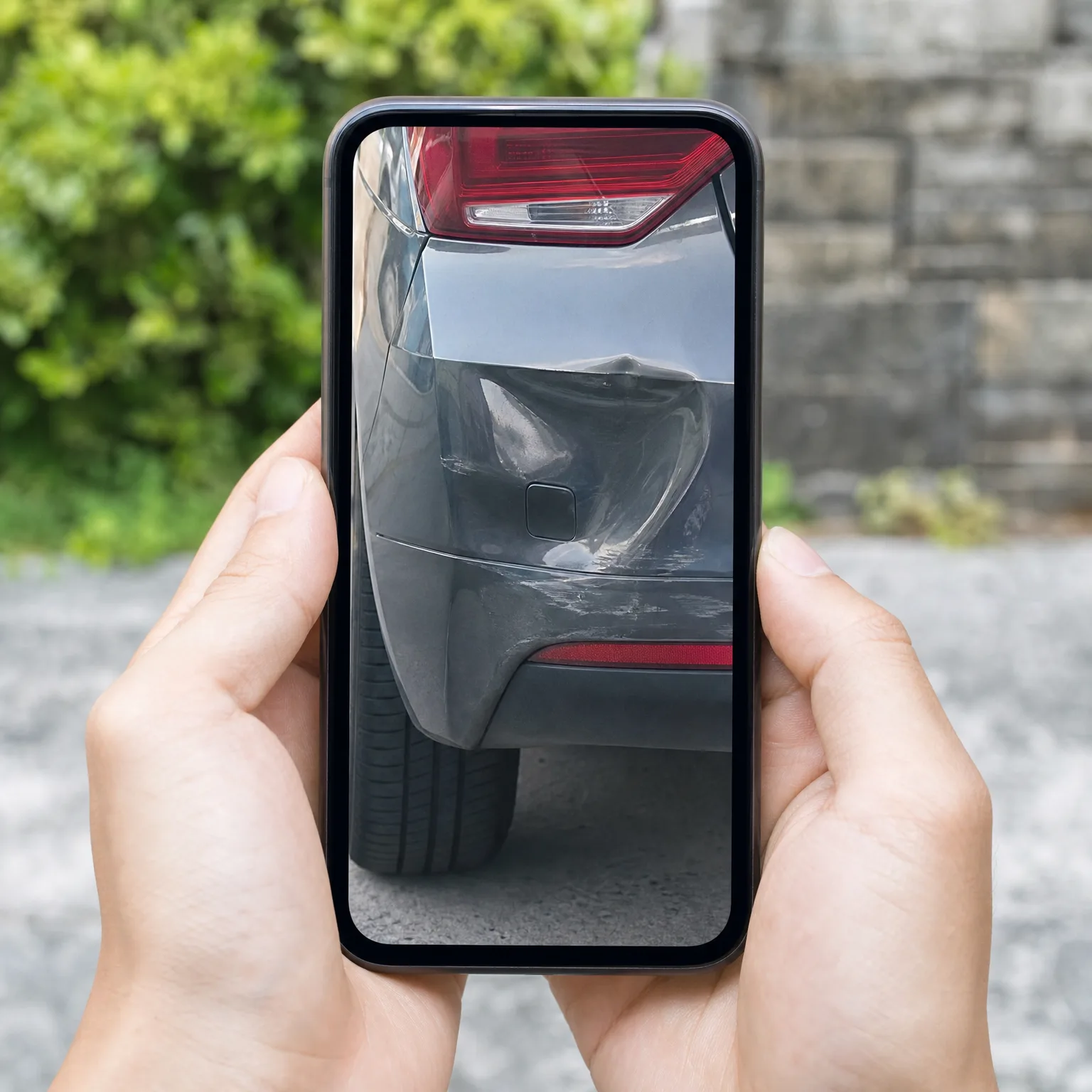
- Document everything immediately Photograph the damage, the ticket, any posted signs, and the surrounding area before you leave. This evidence matters whether you end up dealing with the garage, another driver, or your insurer.
Does filing a claim against the garage affect your insurance rates?
If you use your own collision coverage to pay for the damage, it's still a claim on your policy and can affect your rates, even if the garage was at fault. Insurers generally don't distinguish much between who caused the damage when it comes to how a claim shows up on your history, though some have accident forgiveness or not-at-fault provisions that soften this.
If you pursue the garage directly, through their insurance or small claims court, without ever filing with your own insurer, it typically doesn't touch your rates at all. This is one reason some people skip their own insurance for minor, clearly-the-garage's-fault damage and deal with the garage or its insurer instead. Check with your insurer about how they handle claims where you were later reimbursed by a third party, since some will adjust your record once that happens.

Filing a claim against the garage instead of your own insurer
If you do
You avoid a mark on your own insurance history and the garage's insurer pays directly, if they accept responsibility. But this route is slower, often requires proving negligence, and some garages will deny liability outright, leaving you to decide whether small claims court is worth the time.
If you don't
Your own collision coverage pays out faster and you don't have to prove anyone's negligence. But it counts as a claim on your policy, which can affect your rates, and you'll likely owe your deductible even if the garage was clearly at fault.
Once you know who actually pays for damage like this, compare quotes to see what a claim would cost you.
Why garages can deny responsibility and still be within their rights
Parking garages operate on a simple legal idea in most places. They're providing space to park, not custody of your vehicle, unless you hand over your keys for valet or attended parking. That distinction, called bailment, matters a lot. When a garage has actual control of your car, like holding your keys, they take on more responsibility for what happens to it. When you park it yourself and keep your keys, you're holding most of the risk.
This is why the disclaimers on parking tickets exist. They're not usually enough on their own to erase all liability, because a garage still has to maintain reasonably safe conditions, working gates, lit areas, structurally sound levels. But the disclaimer does signal that the garage isn't accepting responsibility for things outside its direct control, like another driver's carelessness or a stray shopping cart.
Where it gets less clear is self-parking garages with attendants who move cars around during peak hours, or garages with automated systems that scratch or trap vehicles. In those cases, the garage had more control than a typical self-park situation, and that shifts the liability conversation back toward them. Whether a specific garage counts as having taken on that responsibility depends on how the facility actually operated that day, not just what the sign says.
State law and the specific rental or lease agreement for the garage space, if there is one, can also change the answer. Some states give more weight to posted disclaimers than others. If the damage happened in a garage you have an ongoing arrangement with, check that agreement, since it may include its own liability terms that differ from a one-time visitor ticket.

Your car insurance, not the garage, is usually your fastest and most reliable path to getting paid.