If Someone Hits My Parked Car Do I Pay a Deductible
If the other driver is identified and at fault, their liability coverage pays and you owe no deductible.
Whose coverage pays decides whether you owe a deductible
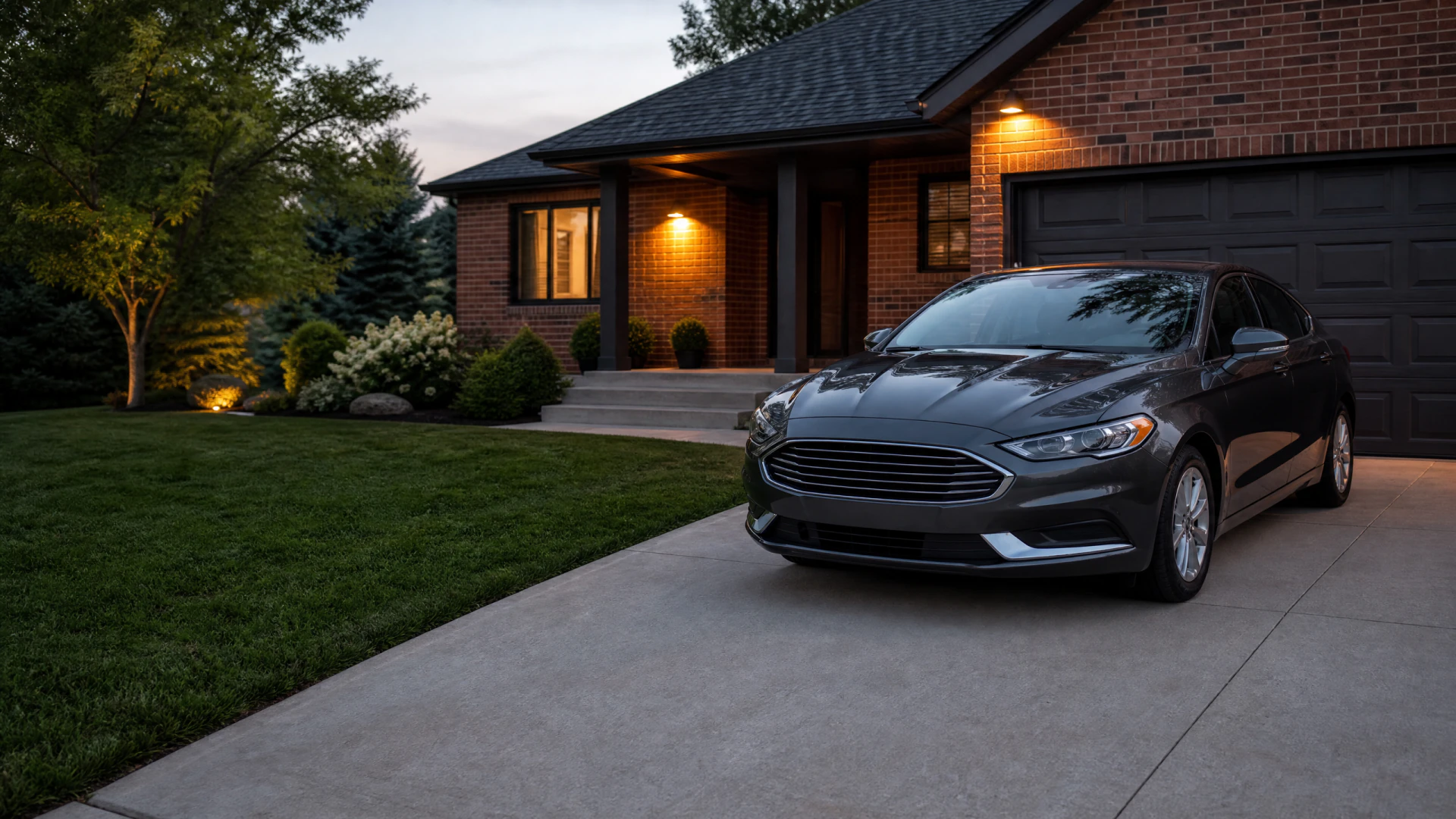
When someone else hits your parked car and you know who they are, their liability coverage is the one responding. Liability coverage doesn't have a deductible attached to it, because it's the at-fault driver's insurer paying for damage they caused, not you claiming against your own policy. That's why, in a clean parked-car case with a known driver, you typically pay nothing out of pocket.
The deductible enters the picture only when you use your own collision coverage. That happens when the other driver flees the scene, when they're uninsured or underinsured, or when you simply want your car fixed faster and let your own insurer handle it before being reimbursed. In those situations, you pay your deductible upfront, and if your insurer later recovers money from the at-fault driver's insurer, you may get some or all of that deductible back.
This is also where state rules and policy wording start to matter. Some places handle uninsured drivers differently, and some policies include waivers that skip the deductible in specific situations like a hit-and-run. Check your declarations page or ask your insurer directly whether your policy has any such waiver, because it changes what this costs you.
The other variable is proof. A note on your windshield, a witness, or a police report naming a driver makes this straightforward. Without that, your insurer may not have anyone to pursue, and you're left deciding whether filing under your own collision coverage, deductible included, is worth it for the repair.
What decides if you pay anything at all
- Known at-fault driver If the other driver is identified, their liability coverage pays and you owe no deductible. Get their insurance information and a police report if possible.
- Hit-and-run or unknown driver Without an at-fault driver to bill, you'd need your own collision coverage, which does carry a deductible. Check if your policy waives it for hit-and-runs.
- Uninsured driver If the driver has no insurance, you may need uninsured motorist property damage coverage or your own collision coverage instead. Confirm which one applies in your state.
- Using your own coverage first Filing under your own policy means paying your deductible upfront, even if you're later reimbursed. Ask your insurer about their process for recovering costs from the other driver.
- Garage or home bundling Where you park and whether you bundled policies can affect your coverage options but not whether a deductible applies in a clear fault case. Review your policy limits now that you've moved.
Will my rates go up if someone else hit my parked car?
Usually not, if the claim is filed against the other driver's liability coverage. Rate increases are tied to claims that get charged to your own record as an at-fault incident, and a parked-car hit where someone else is responsible shouldn't be scored against you that way.
It gets less certain if you file under your own collision coverage because the other driver can't be found or has no insurance. Some insurers still treat that as a no-fault claim since you clearly weren't driving, but policies and state rules differ on this. Ask your insurer directly how they classify these claims before you file, especially if you're already watching costs closely after a move.
Now that you know when a deductible applies, compare quotes to see if your coverage still fits.

Filing under your own policy when the other driver is unknown
If you do
Your car gets repaired without waiting to track down a driver who fled or has no insurance. You pay your deductible now. If your insurer later identifies and recovers from the at-fault driver, you may get some or all of that deductible returned to you.
If you don't
You avoid paying a deductible upfront, but your car stays damaged until you find another way to cover it. If there's no at-fault driver to pursue, nothing happens on its own. You're left paying out of pocket or living with the damage.
Does it matter if my car was parked legally when it was hit?
Yes, it can. If you were parked illegally, in a no-parking zone or blocking a driveway, the other driver's insurer might argue partial fault, which could reduce what they pay. Check local parking rules and your state's fault laws. If liability gets split, you may end up needing your own collision coverage for part of the repair, deductible included.
What if the damage is minor, should I even file a claim?
That depends on the repair cost compared to your deductible and how a claim might affect your rates. If you're using the other driver's liability coverage, filing costs you nothing, so there's little downside. If you'd be using your own collision coverage, weigh the repair cost against your deductible before deciding whether it's worth filing at all.
Can I claim for a parked car hit if I don't have collision coverage?
Only if you have another driver to bill, since their liability coverage doesn't depend on what you carry. Without collision coverage, a hit-and-run or uninsured driver leaves you with no clear way to get repairs paid through insurance. Check whether you have uninsured motorist property damage coverage, which sometimes fills this gap depending on your state.