How to Stop Overpaying for Car Insurance
You're overpaying when your policy still reflects your old address, old risk, and a shopping decision you made years ago.
A couple who moved and almost didn't look twice
A couple bought their first house and kept their car insurance exactly as it was, figuring the move was unrelated. Three months later they mentioned the new address to their agent almost in passing, while asking about the homeowners policy. The agent ran the zip code and found the rate had been quietly recalculated behind the scenes, because their new area had a different claims and theft history than their old apartment.
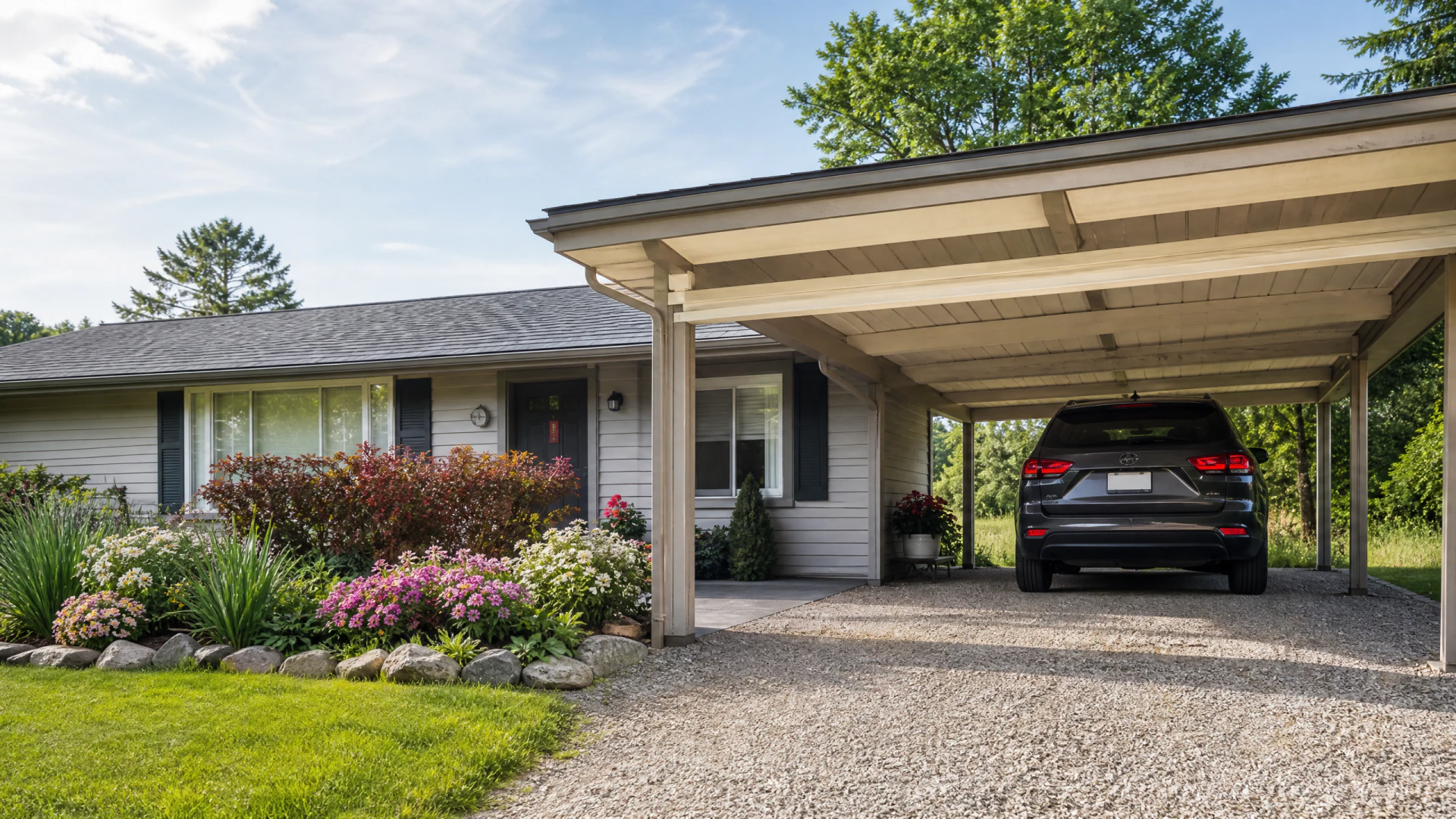
They also mentioned they now parked in a garage instead of on the street, which hadn't come up before because nobody asked. That detail lowered the rate further. Then they asked what bundling the home and auto policies would do, and the combined price came in lower than either policy shopped alone. They didn't switch insurers. They just made sure the one they had knew the truth about where and how the car actually lived now, and compared that price against two others before renewing.
Will switching insurers actually save more than adjusting my current policy?
Sometimes, but you won't know until you compare both against each other, not against what you were paying before. Adjusting your current policy for your new address, garage, and bundled home insurance often closes most of the gap on its own, since a lot of the overpayment was just outdated information rather than a bad insurer.
Switching makes sense when another company prices your actual risk more favorably, which varies by insurer and isn't something you can predict in advance. The only way to know is to get your current policy accurate first, then request quotes elsewhere using those same accurate details, so you're comparing like against like instead of comparing an outdated policy to a fresh one.
The overpayment usually isn't your insurer's fault. It's your policy running on facts that are no longer true.
Once your address, garage, and coverage are accurate, compare quotes to see what that true picture costs elsewhere.
Your rate is a guess about risk, and old guesses cost you
Car insurance pricing is a prediction about how likely you are to file a claim and how much it might cost. That prediction is built from details like where you live, where the car sleeps at night, how far you drive, and what else the insurer covers for you. When any of those details go stale, the prediction goes stale with it, and you end up paying for a version of your life that no longer exists.
A move changes several of these inputs at once, which is why it feels like so much happens at the same time. A new zip code carries its own claims history and theft rates, separate from anything about you personally. A garage changes the odds of damage or theft compared to street parking. These aren't judgments about you, they're statistics about the environment your car sits in, and insurers price accordingly.
Bundling home and auto works differently. It isn't about risk prediction at all, it's a relationship discount insurers offer because keeping both policies with them is worth something to them. That's why the bundled price can beat two separately shopped policies even when neither policy's individual risk changed. Whether bundling actually saves money depends on the insurer and the state, so it has to be checked rather than assumed.
Where this plays out differently is when your old rate was already competitive, or when your new area happens to carry lower risk than your old one. In those cases updating details might barely move the price, and the bigger opportunity is just comparing insurers directly rather than adjusting the one you have.

Does my credit score affect my car insurance rate after I buy a house?
In many states, yes, insurers can factor in credit-based scores when setting rates, though this varies by state and some prohibit it entirely. A new mortgage and other moving-related credit activity can shift your score temporarily. Check your state's rules and ask your insurer directly whether this applies to you, since it changes how much a credit dip might cost you versus how much it won't matter at all.
Should I raise my coverage limits now that I own a home?
Yes, it's worth reviewing, because owning a home gives you more to protect if you're ever sued after an accident. Your state sets minimum required limits, but minimums are often too low to cover a serious accident, and a judgment beyond your limits can reach other assets you now have. Ask your insurer what raising liability limits actually costs, since it's often a small increase for meaningful protection.
How often should I compare car insurance quotes after this?
Review it whenever something about your life changes, and otherwise check in roughly once a year regardless. Rates shift even when nothing about you does, because insurers adjust pricing based on broader claims trends. Set a reminder around your renewal date, gather your current policy details, and get a few quotes using the same coverage levels so the comparison is accurate instead of misleading.