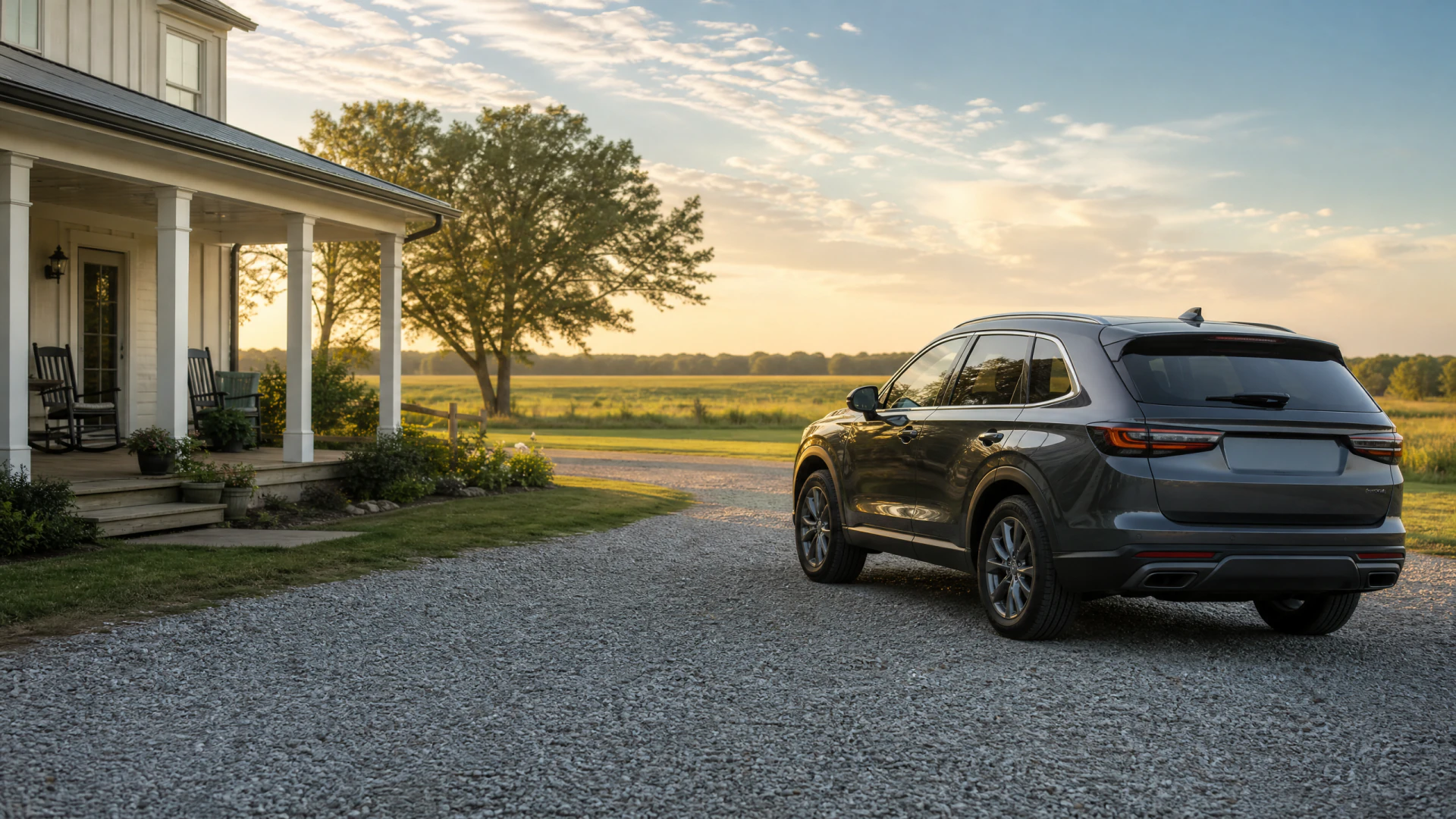
How to Shop Around for Car Insurance
Get quotes from several insurers using the same coverage and limits on each, after you've decided what those limits should be.
Quotes only work when every insurer prices the same policy
Insurers each weigh your address, your home purchase, your driving history and your credit differently, so the same driver can get very different prices from different companies. That's why shopping around works. It's not about finding a trick, it's about the fact that no single insurer is the cheapest for everyone, and the only way to find out who's cheapest for you right now is to ask several of them.
The reason to decide your coverage first is that quotes are only comparable when they're quoting the same thing. If one quote has lower limits or skips a coverage the others include, it will look cheaper without being a better deal. Settle what you want covered, including whether you're bundling with your new home policy, before you start collecting numbers.
Your new address is doing more work than you'd expect. Insurers price risk by location, and a move can shift your rate even if nothing else about you changed. A garage, a shorter commute or a different neighborhood can all move the number, which is exactly why this is a good moment to shop rather than just update your old policy and move on.
Where this plays out differently is state rules and insurer practices. Some states limit how much weight credit or claims history can carry, some insurers reward bundling more than others, and how long a quote stays valid varies too. Check your state's insurance department site and ask each insurer directly rather than assuming your old policy's rules still apply.

What to line up before you compare any prices
- Same limits everywhere Pick one set of coverage limits and give every insurer that exact request. Comparing different limits makes cheap quotes look good when they're actually just thinner coverage.
- Decide on bundling first Figure out if you want home and auto with the same company before you quote. Ask bundled and separate prices from a few insurers so you're comparing real options, not guessing.
- Use your new address Quote with your current address, not your old one. Garage access, commute distance and neighborhood all factor into price, so an outdated address gives you a wrong number.
- Check at least three insurers Get quotes from a mix of large and smaller insurers, since pricing varies more than people expect. Two quotes isn't really a comparison, it's a coin flip.
- Ask about every discount Insurers don't always apply discounts unless you ask, things like paying in full, low mileage, or safety features. A quote without this check might be missing savings you'd actually qualify for.

A couple who just moved and had two different policies to deal with
A couple bought their first home and suddenly had a new homeowners policy from their lender plus an old car policy neither of them had touched in years. One of them did most of the driving, the other drove occasionally, and their car was now parked in a garage instead of on the street. They weren't sure if updating the address on their current policy was enough or if they should start over.
They decided their coverage limits first, choosing to raise them slightly since they now had more to protect as homeowners. Then they requested quotes from several insurers, giving each one the same limits, their new address and the fact that the car was garaged. They asked each for a bundled price with their new home policy and a separate price too. One insurer that didn't look competitive on auto alone turned out to offer their best overall price once bundled. They switched both policies to that insurer and set a reminder to shop again in a couple years rather than letting it sit untouched again.
You know what coverage and limits you want, so compare quotes built around that and see who actually prices it best.

Will shopping around hurt my current coverage or cause a lapse?
No, not if you time it right. Getting quotes doesn't affect your current policy at all, you can request as many as you want without anything changing. The only moment that matters is the switch itself.
When you're ready to move to a new insurer, start the new policy on or before the exact day your old one ends. Most insurers will coordinate this with you once you tell them you're switching, and some can even cancel your old policy for you. The thing to avoid is canceling your current policy first and only then shopping, since that risks a gap with no coverage at all. Decide, then switch, in that order.
A quote only matters if it prices the exact coverage you actually want, not whatever the insurer defaulted to.


