How to Protect Your Car in the Driveway
A garage or driveway, the coverage you carry, and a handful of habits together determine how safe your car really is at home.
Where you park changes what you're insured against
Comprehensive coverage is the part of your policy that responds to a car sitting still, since it covers theft, vandalism, weather and animals rather than collisions. If your car lives in a driveway instead of a garage, that coverage matters more, because the car is exposed to anyone walking by and to weather with nothing between it and the sky. Liability and collision don't care where the car sleeps at night, but comprehensive does, and insurers price it with that in mind.
Your new zip code is part of this pricing whether or not you added a garage. Insurers track theft and vandalism claims by area, so a denser neighborhood or one with a history of car break-ins can push comprehensive pricing up even if nothing about your driving changed. A garage, a locked gate, or even a well-lit driveway can offset some of that, because they lower the odds of a claim ever happening.
What counts as protection varies by insurer. Some give a specific discount for garaging a car overnight, others fold it into the zip code rating without a separate line for it, and some ask you to confirm where the car is kept most nights as part of your coverage terms. Check your policy or ask your insurer directly what they count, because claiming a garage you don't consistently use can cause problems later if you ever file a claim.
The cases where this works out differently usually involve older cars or cars already fully covered under liability only. If your car isn't worth much, comprehensive coverage might cost more than it would ever pay out, and no driveway precaution changes that math. In that case, the better move is physical security, not more coverage.

What actually lowers driveway risk
- Park under cover A garage or carport cuts exposure to weather and theft, and may qualify for a discount. Ask your insurer if they price garaging separately or fold it into your zip code rating.
- Confirm comprehensive coverage This is the part of your policy that responds to theft, vandalism and weather damage while parked. If you dropped it years ago to save money, check that it's still on the policy now.
- Secure the car itself A steering lock, a dash cam, or simply removing valuables from sight lowers the odds of a break-in. These habits don't show up on your bill, but they reduce the chance you ever file a claim.
- Update your address now Your zip code affects comprehensive pricing, so an outdated address means inaccurate pricing either way. Report the move so your coverage and cost reflect where the car actually sits each night.
- Ask about bundling Combining home and auto policies sometimes includes extra protections for property near the house, including vehicles. Ask directly rather than assuming it's automatic.

Telling your insurer exactly where the car sleeps
If you do
You confirm your new address and how the car is kept, garage, carport, or open driveway. Your comprehensive pricing reflects your real risk, and if you ever file a theft or weather claim, there's no mismatch between what you reported and what happened, which keeps the claim simple.
If you don't
Your policy still lists an old address or outdated parking details. Pricing may be wrong in either direction, and if you file a claim, the insurer may ask questions about the mismatch before paying out, slowing things down right when you need them to move fast.
Once you know how your car is actually parked and covered, compare quotes to see what that protection should cost.

A driveway, a new zip code, and a theft that didn't happen
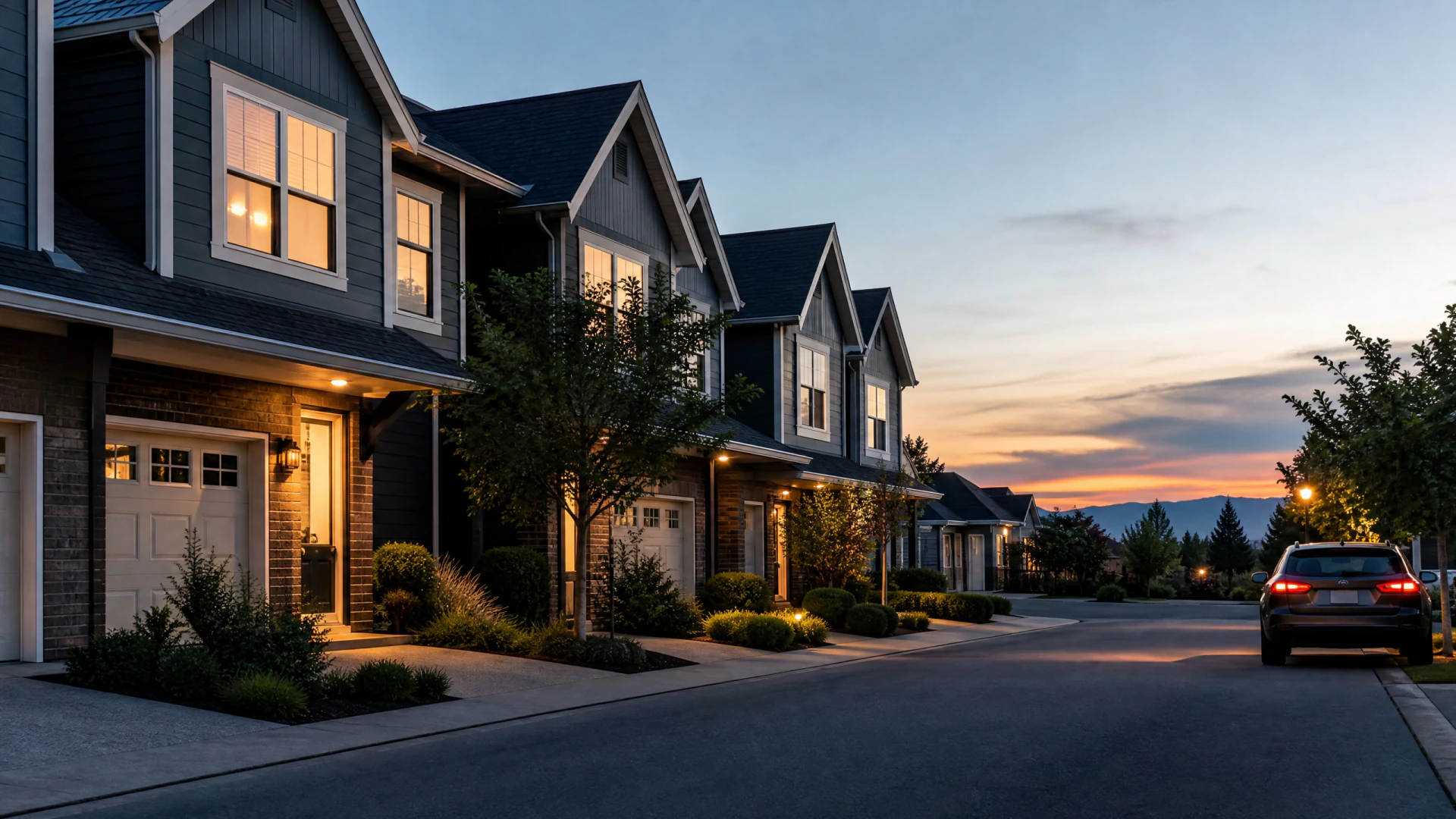
A couple moved from an apartment with assigned covered parking to a house with a driveway and no garage. Their old policy had comprehensive coverage, but it was priced for a building with security cameras and gated entry. In the new neighborhood, a few cars on their street had windows broken into over the past year, something they only learned from a neighbor after they'd already moved in.
They called their insurer, updated the address, and asked directly what reduced risk for cars parked outside. The agent suggested a steering wheel lock and confirmed that comprehensive coverage was still active, which it was, just repriced for the new zip code. They also asked about bundling with their new homeowners policy and found a small discount for carrying both with the same insurer. Nothing happened to their car that year, but when a neighbor's car was broken into that winter, they felt sure their coverage would have responded if it had been theirs, and they weren't paying for protection they didn't understand.
Where your car sleeps is now part of your insurance, so treat the driveway like it belongs on the policy.