How to Prevent Your Car From Being Stolen by a Tow Truck
You stop illegal towing by making your car a bad target and by knowing exactly what to check the moment it's gone.
What actually keeps a tow truck from taking your car
- Read every posted sign Private lots and new neighborhoods often have towing rules you haven't noticed yet. Walk the block once after moving in so you know where you can and can't park.
- Park where cameras see you A car parked under a doorbell camera or streetlight is harder to tow quietly and without record. Choose visible spots over convenient ones when you have the choice.
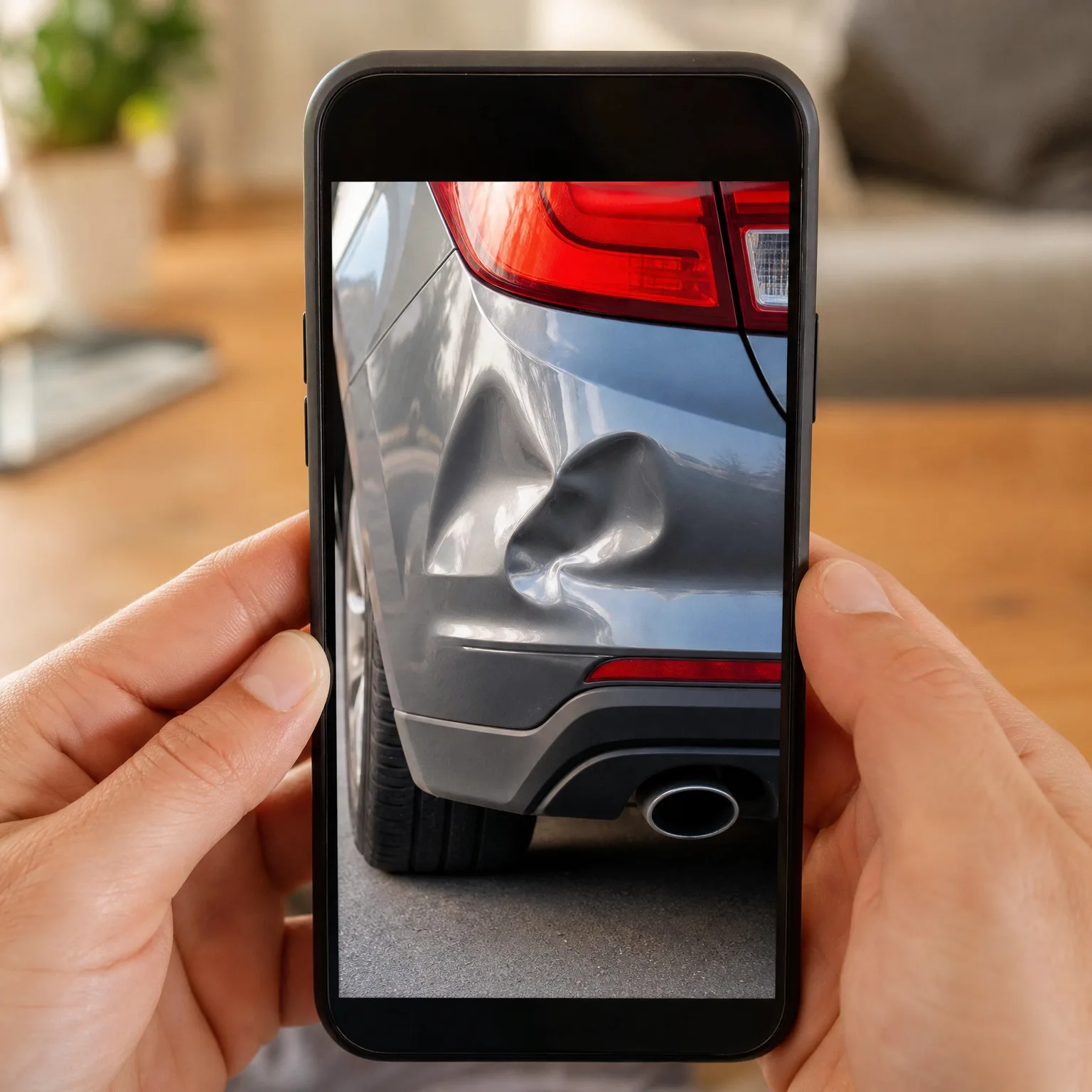
- Photograph your parking spot A dated photo showing signage and your car's position is your best proof if a tow turns out to be improper. Take it every time you park somewhere new.
- Know your lot's real owner Predatory tow operators sometimes work with confusing or fake signage. Look up the property management company's name so you can call them directly to confirm a tow was authorized.
- Keep your registration current An expired tag or address gives a legitimate reason for a tow you'd otherwise avoid. Update it as soon as you move so your car doesn't look abandoned or unclaimed.
How do I know if my car was stolen or legally towed?
Call the local police non-emergency line first, not a tow company. Give them your plate number and they can tell you within minutes whether your car is listed as towed by an authorized company or reported stolen. This single call settles the question faster than searching online.
If police have no record of a tow, treat it as a theft and file a report immediately. If they do have a record, ask which company towed it and get the lot's address and phone number before you go anywhere, because some predatory operators move cars between lots to delay pickup and increase fees.
Keep the photo of where you parked. It becomes evidence either way, whether you're disputing an illegal tow or proving your car was taken from a legal spot.

Checking before you park versus not checking at all
If you do
You glance at signage, note the cross streets, and snap a photo. It takes under a minute. If your car disappears later, you already have everything police and your insurer need, and you can tell immediately whether it was towed or stolen.
If you don't
You park on habit and assume it's fine. If your car is gone later, you're left guessing whether it was towed, stolen, or moved, and you lose time proving where it was, which delays getting it back or filing a claim.
With your car protected against improper towing, compare quotes to make sure your coverage backs you up too.
Why towing theft happens and why these steps work
Illegal towing exists because towing itself is legal and ordinary, which gives bad actors cover. A truck hooking up a car looks routine to anyone passing by, so neighbors don't intervene and cameras that would flag a break-in often don't flag a tow. That's the gap predatory operators exploit, and it's also why visibility and documentation matter more than alarms or locks here.
Most legitimate tows follow a pattern. There's signage, a contract with the property owner, and a traceable record with local police or the towing company itself. When any of those pieces are missing or contradictory, that's usually the sign of an improper tow rather than a parking mistake you made.
Your photo and your knowledge of local signage work because they shift the burden of proof. Instead of arguing your memory against a company's paperwork, you have a timestamped record of exactly where you were parked and what the posted rules said. That's often enough to get a tow reversed or a fee waived even before police get involved.
This plays out differently depending on where you live and how that area regulates towing companies. Some places require tow companies to notify police immediately, others don't, and enforcement against predatory operators varies a lot. Check with your local police department or consumer protection office to understand what's required where you park.
The real defense isn't a better lock, it's knowing instantly whether your car was towed or stolen.