How to Prevent Car Theft With Keyless Entry
Block your key fob's signal and add a visible deterrent, and most keyless theft attempts stop before they start.
Thieves are copying your key's signal, not breaking in
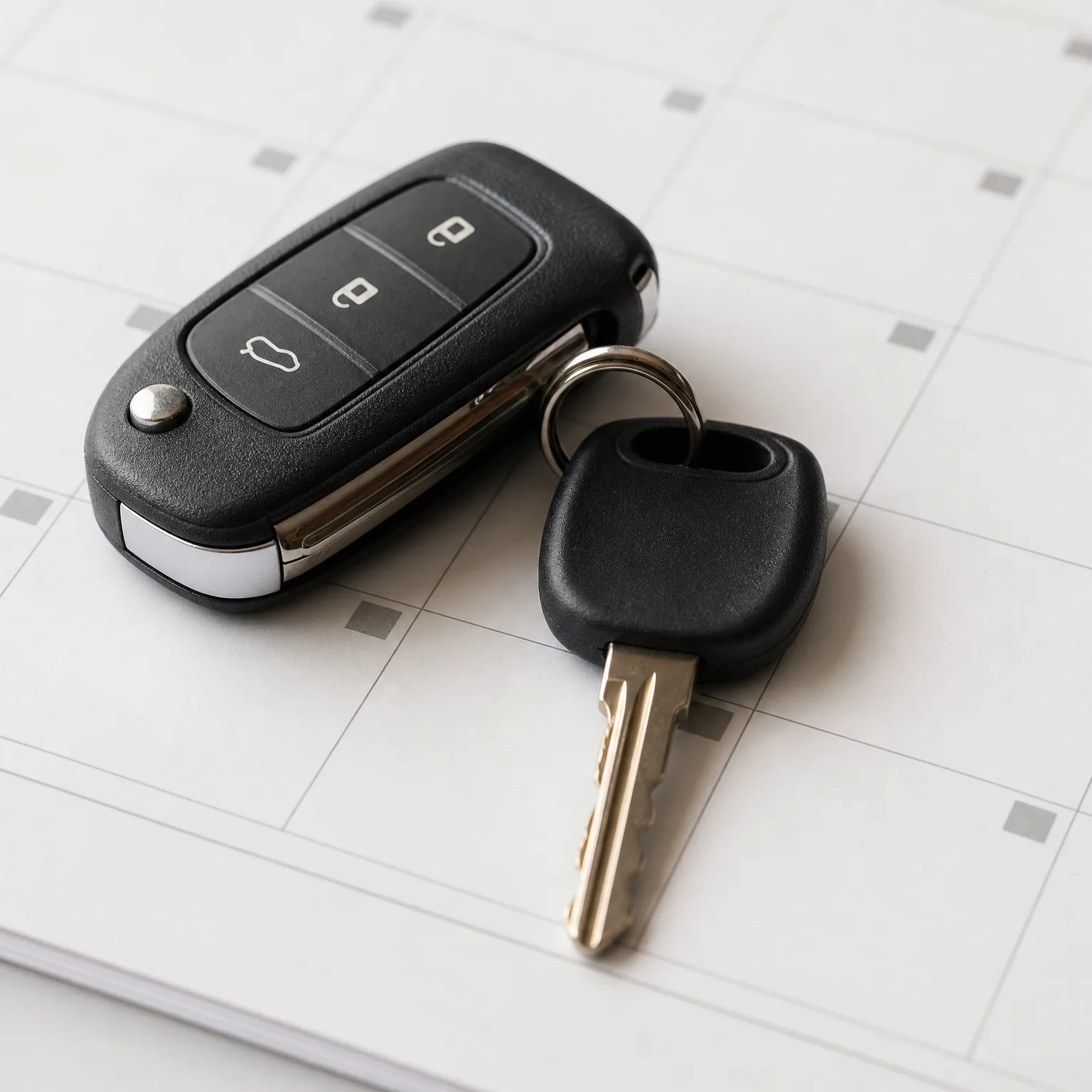
Keyless entry systems constantly send a low range signal so your car can sense the fob nearby and unlock itself. A thief with a signal relay device can catch that signal through your wall or window, boost it, and trick your car into thinking the key is right next to it. This happens in under a minute, often in your own driveway, without setting off an alarm because the car genuinely believes the key is present.
The fix works because it interrupts that signal. A blocking pouch, sometimes called a Faraday pouch, shields the fob so its signal cannot reach outside the pouch. Once the signal cannot travel, there is nothing for a relay device to catch, and the trick stops working entirely. Some newer fobs also have a motion sleep setting that turns off the signal when the fob has been still for a while, which does the same job without a pouch.
Visible deterrents matter for a different reason. Thieves who specialize in relay attacks are moving quickly and looking for easy, quiet targets. A steering wheel lock or a dash cam pointed at the cabin makes your car look like more trouble than the one three driveways down, and that alone pushes many attempts elsewhere.
Where this varies is the car itself. Some manufacturers have already patched relay vulnerability with motion sensing fobs or rolling codes that expire, so check with your manufacturer or dealer about what your specific model already does before you assume you need extra gear.
The short version
Keyless theft works by relaying your fob's signal to the car without you knowing. Block the signal with a pouch or your fob's sleep setting, and add a visible deterrent like a steering wheel lock. Check with your car's manufacturer first, since some models already block this.
A driveway theft that didn't happen
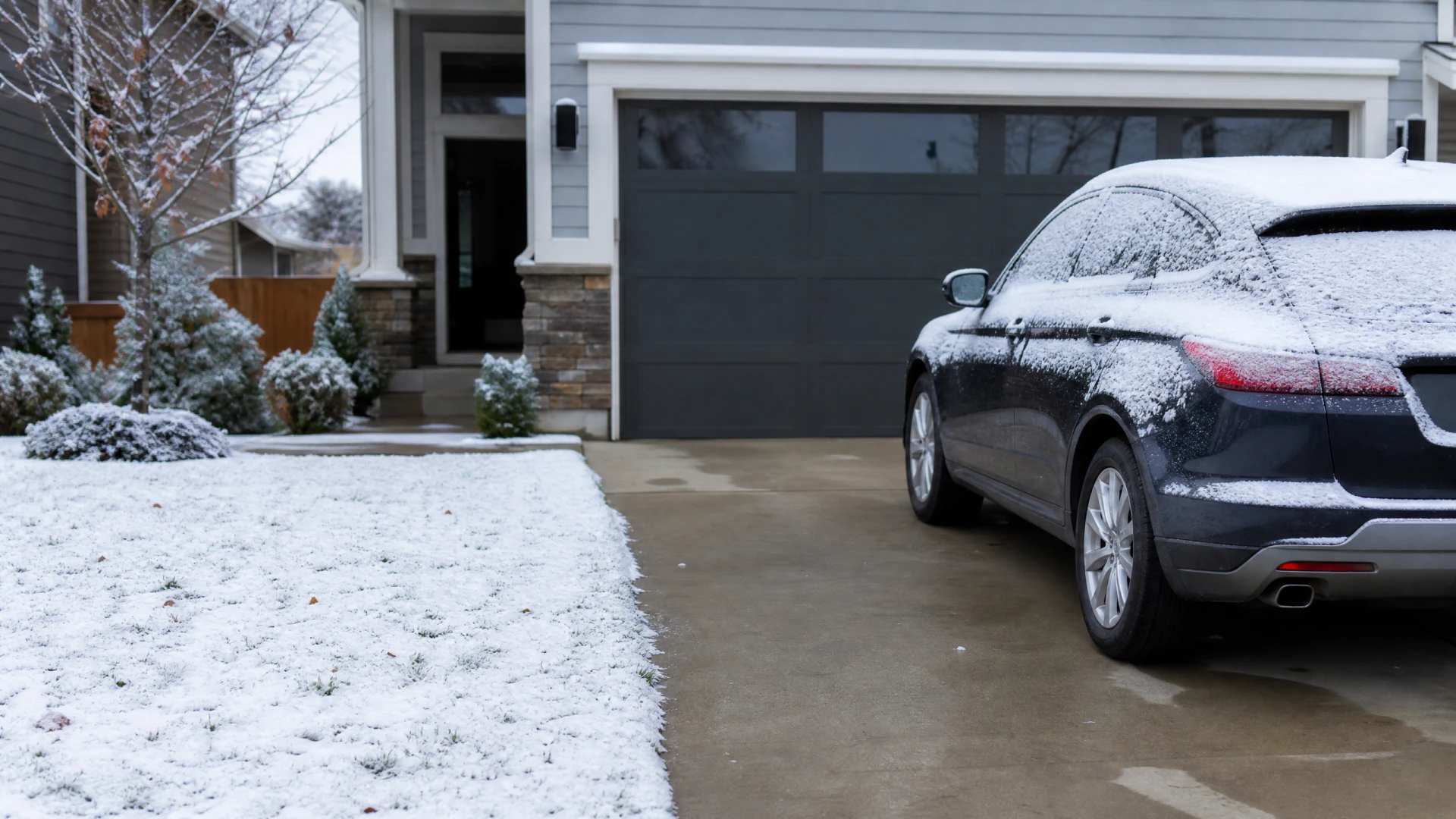
You park your car in the driveway overnight, same as always, with your keys on a hook by the front door about fifteen feet from the car. A neighbor mentions their car was stolen that way last month, with no broken glass and no alarm, just gone by morning. You look up how it happened and realize your fob has been sitting that close to an exterior wall every night.
You buy a blocking pouch and start keeping the fob in it overnight, and you also check your fob's manual, which confirms it has a motion sleep mode you had never turned on. You switch that on too, so the signal only stays active when the fob is actually moving. A week later you notice a car idling slowly past your house late at night, pausing near your driveway before moving on. Nothing happens to your car, and when you check your blocking pouch and sleep setting, both are still working exactly as they should.
Once your keyless entry is secured, compare quotes to make sure your coverage and any discounts reflect it.

Whether you block your key fob's signal at home
If you do
Your fob's signal cannot be caught by a relay device from outside your home, so a thief standing in your driveway has nothing to copy. Your car stays as hard to steal as it would be with the key far away. The pouch or sleep mode becomes part of your nightly routine within days.
If you don't
Your fob keeps broadcasting even while you sleep, and anyone standing close enough to your home can potentially catch and relay that signal. The car unlocks and starts for them the same way it would for you, with no forced entry and no alarm. You may not know until the car is simply gone.
What actually stops keyless car theft
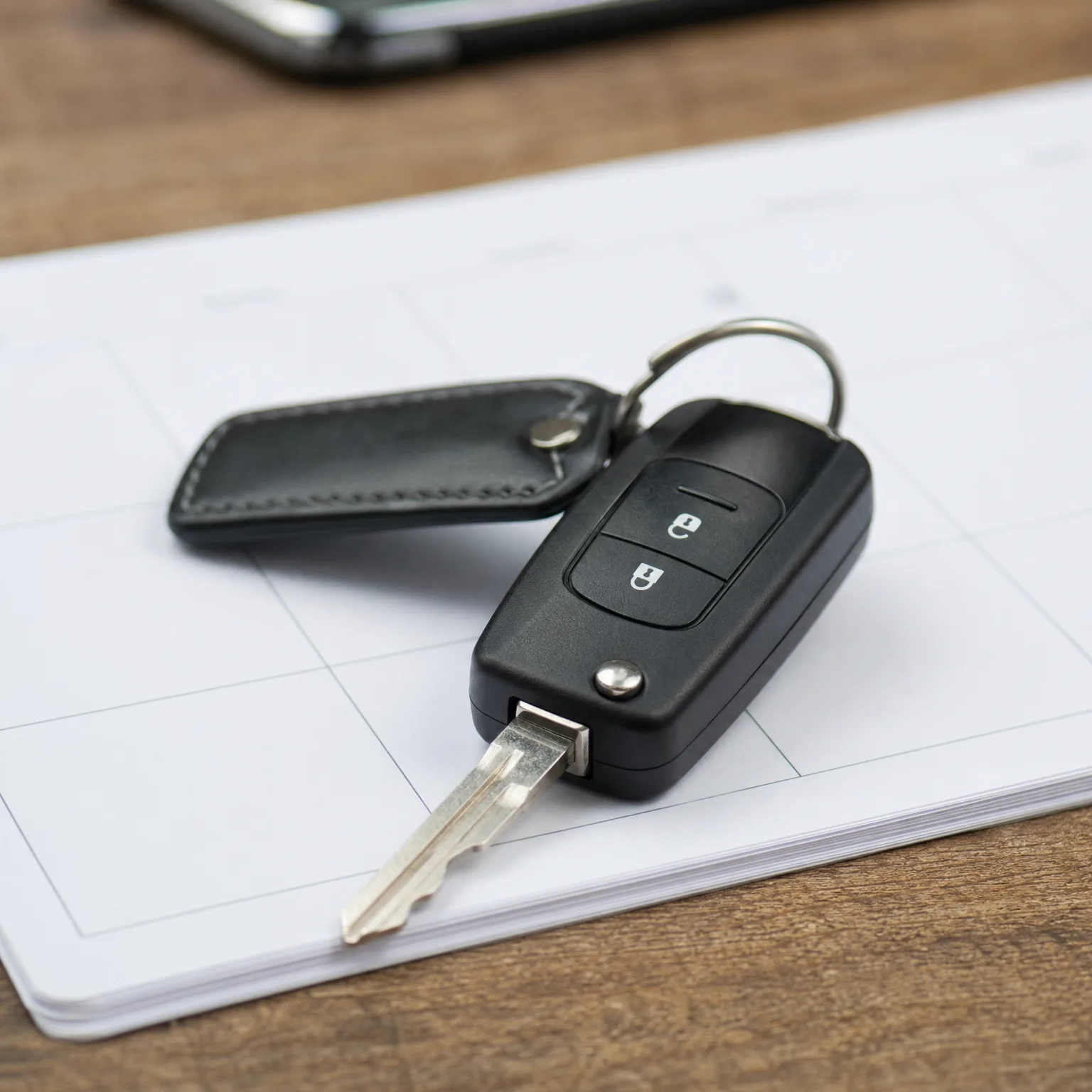
- Block the fob's signal A Faraday pouch stops your key's signal from reaching outside your home. Keep your fob in it overnight or whenever it's not in use.
- Turn on motion sleep mode Many newer fobs stop broadcasting once they've been still for a while. Check your car's manual to see if this feature exists and switch it on.
- Add a visible deterrent A steering wheel lock or a visible dash cam makes your car look harder to take. Thieves doing relay attacks usually move on to an easier target.
- Park with intent A garage or a spot under a light or camera is harder to approach unnoticed. If you have a garage, use it instead of the driveway when you can.
- Ask your manufacturer directly Some models already have built in protection against relay attacks. Check with your dealer or manufacturer before buying extra equipment you may not need.