How to Prevent a Car From Being Stolen From the Driveway
Cut what makes your car an easy target, and the driveway stops being the risk your address created.
Theft follows opportunity, not bad luck
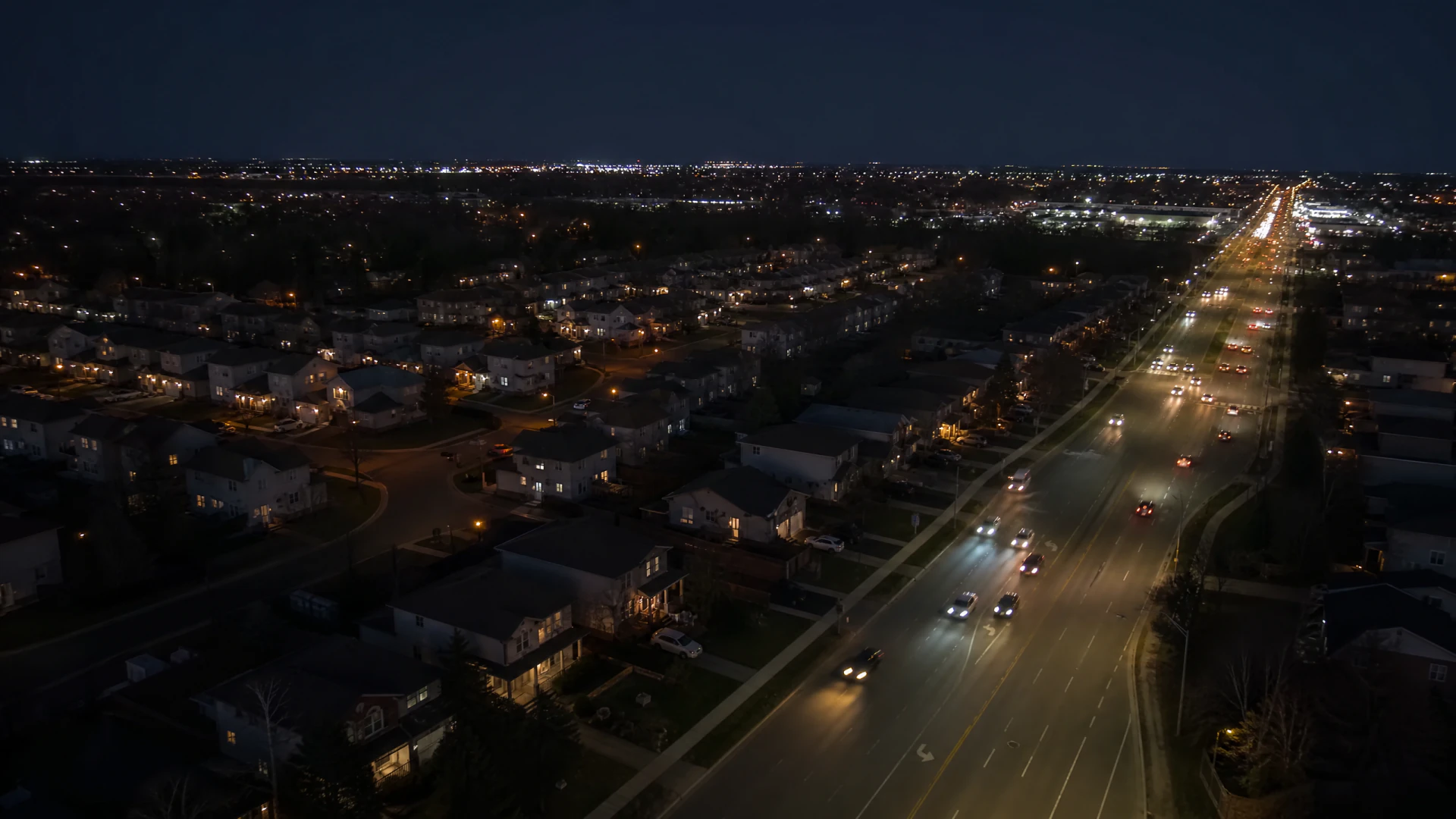
Cars get stolen from driveways because something made that car faster or quieter to take than the one next door. A visible key fob inside, a dark driveway, an unlocked door, these are small signals that add up to an easy job. Thieves who work neighborhoods like yours are moving fast and looking for the path of least resistance, so your goal isn't to make theft impossible, it's to make your car the slower, riskier option.
Your new address changes this calculation in ways you might not expect. A different zip code can mean a different theft rate for your insurer, which is part of why your premium moved when you updated your address. A garage, even an unlocked one, usually counts as a safer location than an open driveway, because it adds a step and removes the car from plain sight. If you have one and aren't using it for the car, that's worth reconsidering.
Layering matters more than any single device. A steering wheel lock, a hidden kill switch, a tracking device, motion lighting, a visible camera, none of these stop a determined thief alone, but together they slow things down enough that most opportunists move on. The point isn't one perfect solution, it's making every step harder than the next house's.
Where this varies is in what your insurer actually rewards. Some give a discount for anti-theft devices or tracking systems, others don't ask at all. Check with your insurer directly about what qualifies, because the device that lowers your premium in one policy might do nothing in another.
A couple's first month in a new house with two cars outside
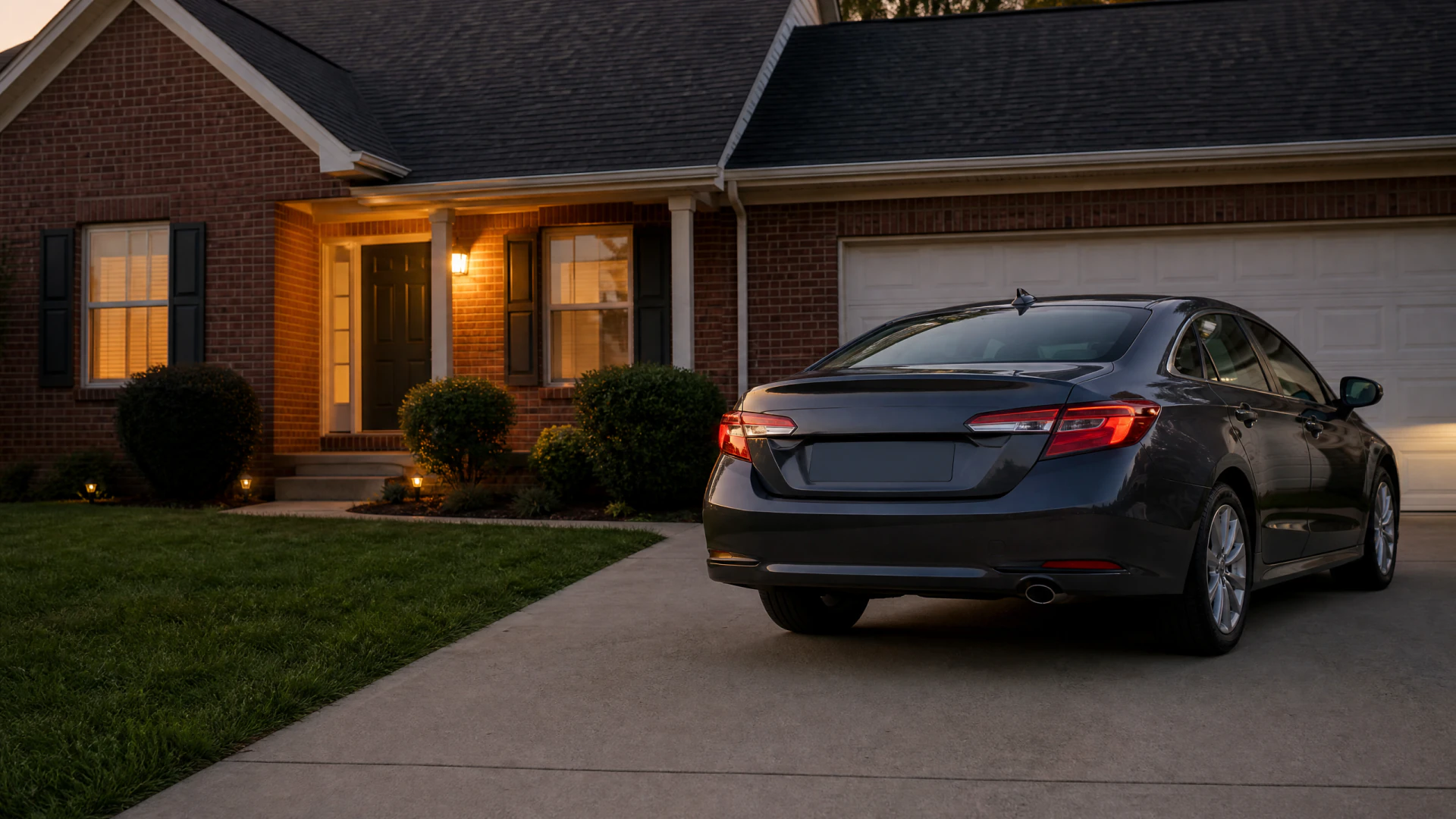
A couple moved into their first house with a two car garage that was already full of boxes and old furniture from the move. Both cars sat in the driveway overnight, visible from the street, keys kept on a hook by the door out of habit. In their third week, a neighbor mentioned a car had been broken into two streets over, and they realized they hadn't thought about this at all since signing the mortgage.
They cleared one side of the garage that weekend and started parking the newer car inside, leaving the older one in the driveway with a steering wheel lock they ordered that same night. They moved their fob to a drawer away from the front door and added a motion light over the driveway. When they called about combining their auto and home coverage, they also asked what anti-theft discounts applied, and found out the steering wheel lock didn't count but a tracking device would. They skipped the tracker for now, kept the habits, and felt the driveway was no longer the weak point in an otherwise sorted move.
Whether you use the garage for the car
If you do
Your car disappears from street view and gains a locked door between it and anyone walking by. Thieves scanning the block see one less target. It also protects the car from weather and may qualify for a lower premium, so check with your insurer about what garage parking changes on your policy.
If you don't
Your car stays visible all night, parked where anyone can assess it from the sidewalk in seconds. You're relying entirely on devices and lighting to do the work a locked door would do for free. It's not a guaranteed loss, but you've removed your easiest layer of protection before adding any others.
Once you know what actually protects your car, compare quotes to see which insurer rewards it.
What actually lowers the risk, in order
- Use the garage If you have one, park the car inside instead of the driveway. It removes the car from view and adds a locked door between it and the street.
- Keep the fob away from doors Signal relay theft works by picking up your fob's signal through walls. Store it in a drawer or box away from entryways, not on a hook by the door.
- Add a visible deterrent A steering wheel lock or clearly marked camera makes your car look harder to take fast. Thieves move on to easier targets when something adds time or risk.
- Install motion lighting A driveway that lights up when approached removes the cover of darkness. It's inexpensive and works whether or not anyone's home.
- Ask your insurer what counts Discounts for anti-theft devices vary by insurer and aren't automatic. Call and ask specifically what you have qualifies before assuming it lowers your premium.
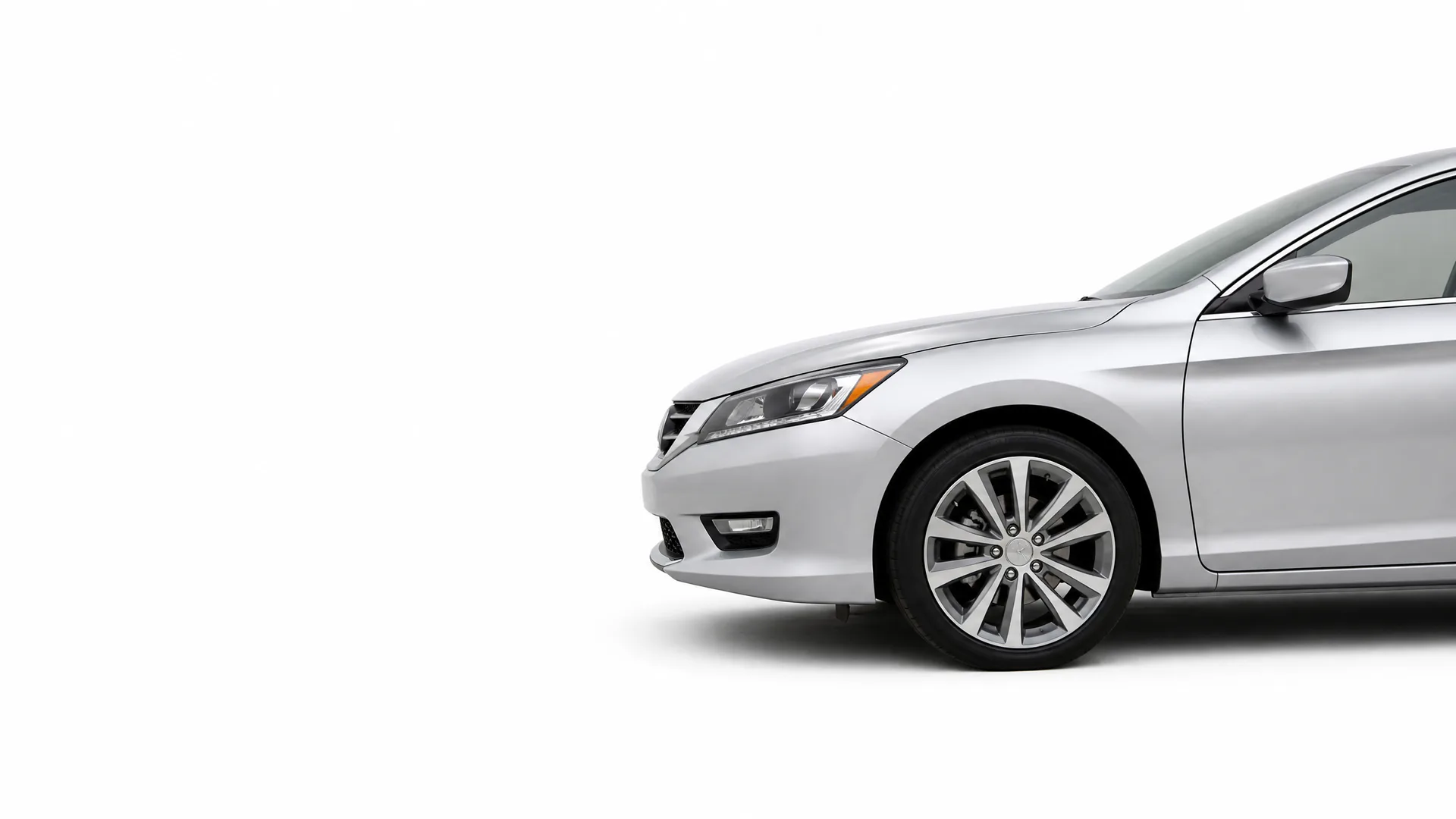
The car that gets taken is usually just the easiest one on the block, not the most valuable.