How to Lower Car Insurance Premium Without Cutting Coverage
You lower the premium by changing what the policy sees as risk and what you qualify for, not by shrinking what it protects.

A couple settles into a new house and a new rate
A couple moved into their first home and set a reminder to look at their car insurance once the mortgage paperwork settled down. One of them had a short commute now, the other worked from home most days, and they still carried the same policy from their old apartment across town. They called their insurer, updated the address, said one car would sit in a garage overnight, and asked what else might change the number without changing what was covered.
The agent walked through mileage, the garage, and bundling the new home policy with the car policy. They also raised the deductible slightly since they now had savings set aside for a home emergency fund that could cover the difference if something happened. The premium came down by a noticeable amount, and nothing about their liability or comprehensive coverage shrank. They kept the quote, then shopped it against two other insurers before renewing, just to see whether someone else priced their new situation even better.
Will raising my deductible actually save meaningful money?
Usually yes, but how much depends on your insurer's pricing and your driving history. A higher deductible means you absorb more of a claim yourself, so the insurer charges less to carry that risk. The savings tend to be more noticeable if you have a clean record, since the insurer is pricing a lower chance you'll file at all.
The tradeoff is real, not just theoretical. If you raise your deductible, make sure you actually have that amount sitting somewhere accessible, because the moment you need it is not the moment to discover you don't. Ask your insurer to show you the premium at a few different deductible levels side by side, so you're comparing actual numbers for your situation instead of guessing.

Updating your policy details after a move
If you do
You give the insurer accurate information about your address, your garage, and your driving pattern. That accuracy often lowers the premium because overnight parking and shorter commutes read as lower risk. You also become eligible for discounts tied to your new situation, like bundling, that didn't apply at your old address.
If you don't
You keep paying a rate priced for your old commute, your old parking, and your old risk profile. You may be missing discounts you already qualify for. If your policy lists an address or usage pattern that's no longer accurate, a claim could get complicated when the insurer checks the details later.
Now that you know what to update and combine, compare quotes to see which insurer prices your new situation best.
These five changes lower cost without lowering protection
- Update your address Your zip code affects pricing because it reflects local accident and theft patterns. Tell your insurer your new address right away so the quote reflects where you actually live now.
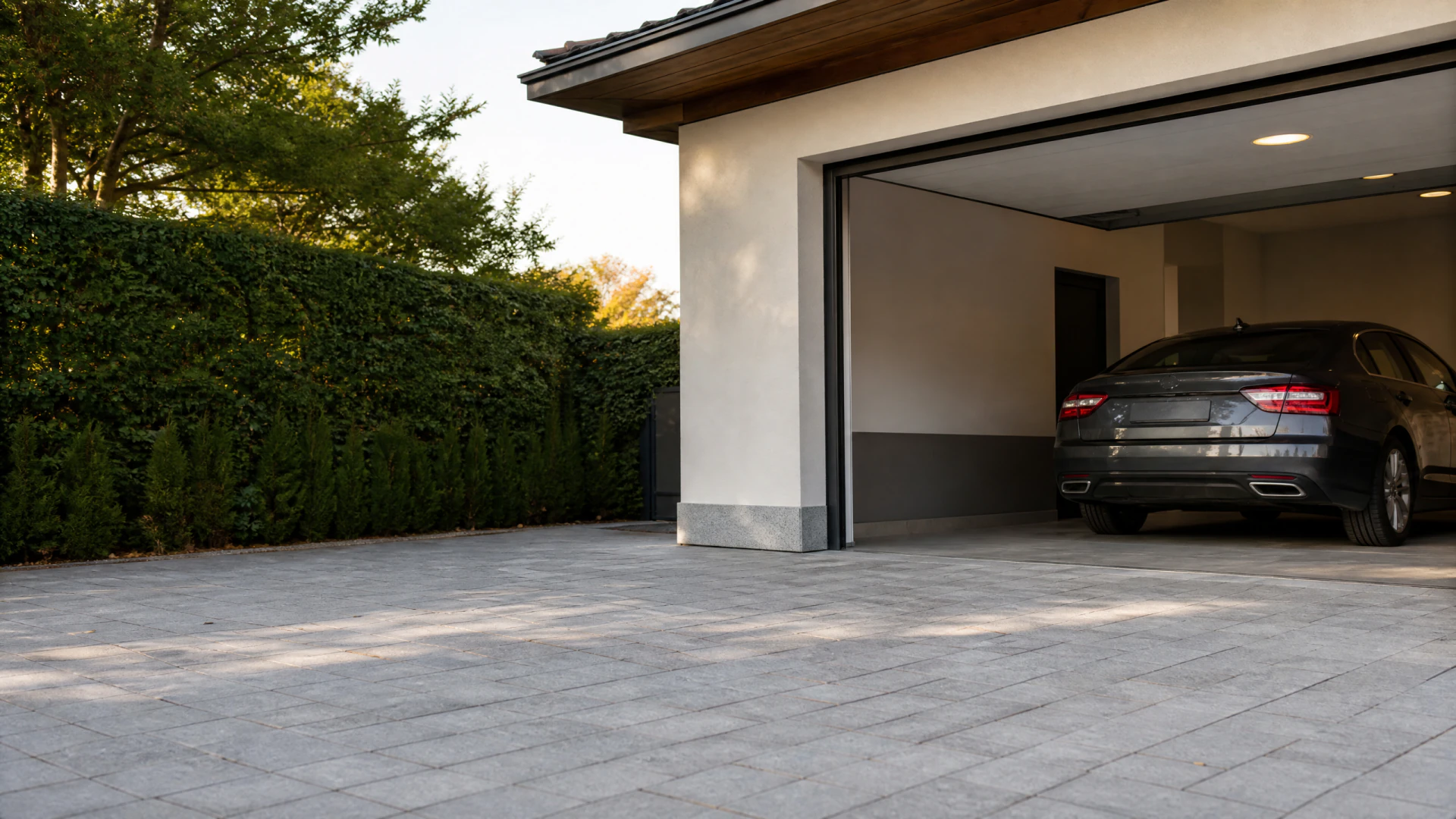
- Note the garage A car parked in a garage overnight is less exposed to weather and theft than one on the street. Mention this to your insurer, since it can lower your premium without touching your coverage limits.
- Bundle policies carefully Combining your home and car insurance with the same insurer often triggers a discount on both. Ask for the bundled price and the separate prices side by side before deciding, since bundling isn't automatically cheaper.
- Raise your deductible A higher deductible lowers your premium because you absorb more of a claim yourself. Only raise it to an amount you could actually pay out of pocket without strain.
- Ask about discounts Low mileage, a shorter commute, safety features, or a clean driving record can all reduce price. Ask your insurer directly which discounts apply to your situation instead of assuming none do.
The premium reacts to risk and discounts, not coverage, so that's the lever worth pulling.
Does bundling home and auto insurance always save money?
Not always, so check both prices before assuming it does. Bundling often triggers a discount, but sometimes separate insurers offer a lower combined total than one insurer's bundle. Ask your current insurer for the bundled quote, then get a separate quote for your car policy alone from another insurer. Compare the two totals directly. If the gap is small, staying bundled is usually simpler. If the gap is large, it may be worth managing two separate policies instead.
How often should I shop around for car insurance after a move?
Right after a move is a good time, then roughly once a year after that. Your risk profile just changed with your address, so your current premium may no longer reflect the best price available for your situation. Insurers also update their pricing models periodically, so an insurer that wasn't competitive last year might be now. Set a yearly reminder to request a few quotes and compare them against your renewal price, especially if anything else in your situation changes, like adding a car or a driver.
Will my premium go up just because I moved?
It depends on how your new area compares to your old one, so there's no single answer. Areas with more traffic, higher theft rates, or more severe weather tend to carry higher premiums, while quieter areas often cost less. The only way to know is to ask your insurer directly what your new address does to the price, since they calculate this using local data you don't have access to on your own.