How to Handle Car Insurance Rate Shock After a Move
The jump is almost always your new zip code and driving pattern resetting your risk profile, not a mistake on your part.
Your rate follows the road you drive, not just the car you drive
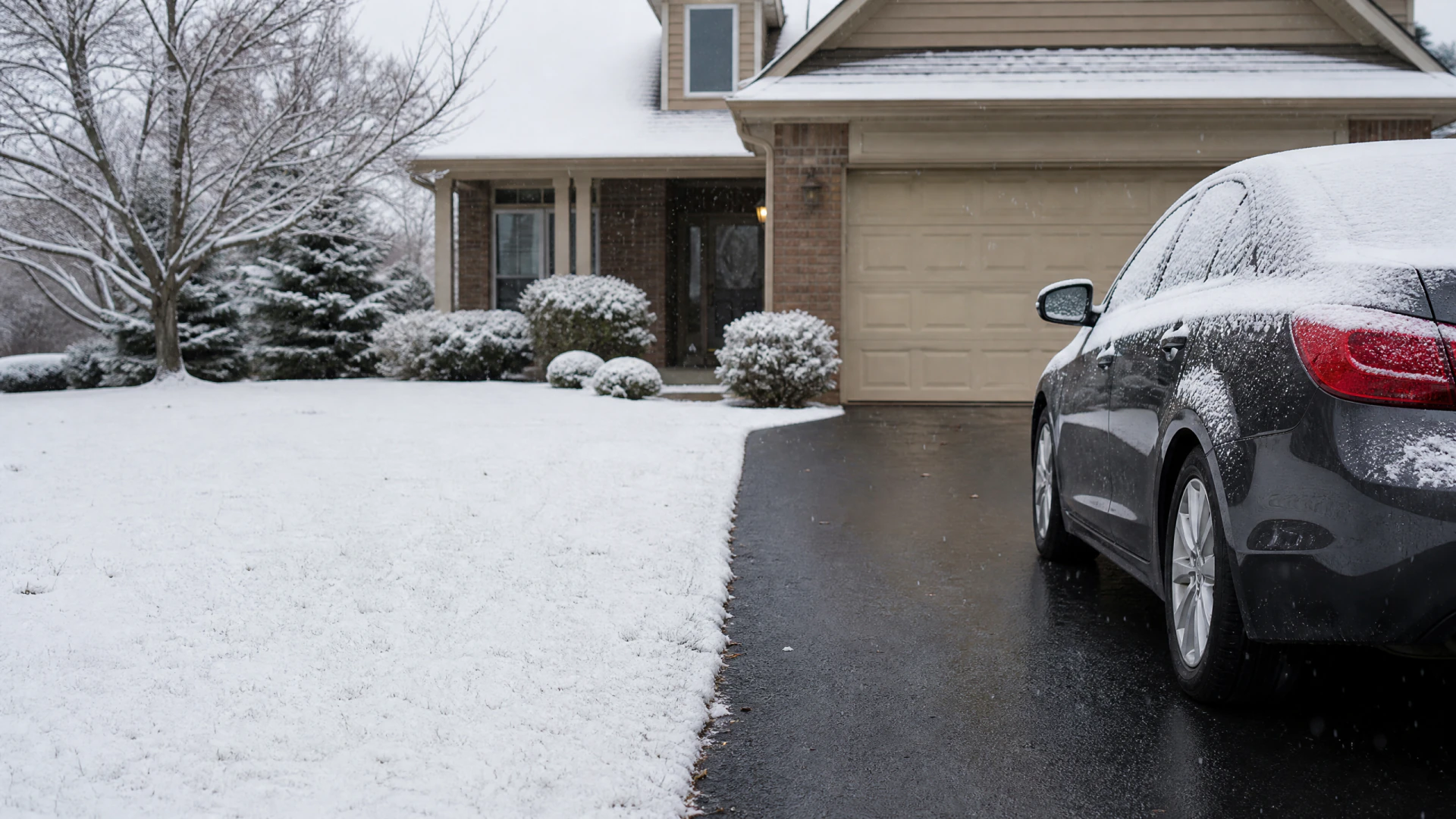
Insurers price risk by location because claims data ties closely to where a car actually sits and travels. A new zip code changes the odds of theft, vandalism, weather damage and accidents, even if you drive the same car the same way you always have. That's the main driver of rate shock after a move, and it has nothing to do with your driving record.
What changes alongside location is just as important. A shorter or longer commute changes how many miles you drive, and mileage is one of the clearest predictors insurers use. Parking in a garage instead of on the street, or the reverse, shifts the odds of damage or theft. None of these are judgments about you. They're just different inputs feeding the same formula.
This is also where things stop being universal. Some states let insurers weigh location and commute heavily, others limit how much any single factor can move your rate. Coverage requirements themselves can differ by state too, so a policy that met the minimum where you lived before might not meet it now. Check your new state's requirements directly, since assuming your old policy already covers you correctly can leave gaps.
The other variable is the insurer, not just the state. Each company builds its own model of risk, so the same move can raise your rate with one insurer and barely touch it with another. That's exactly why a rate increase is a signal to compare, not a number to simply accept.
Should I switch insurers now or wait until my policy renews?
You don't need to wait. Most policies can be changed or canceled before renewal, and many insurers prorate refunds for the unused portion of your old policy, though the exact rule depends on the insurer and sometimes the state, so confirm it before you cancel anything.
The main reason to act now rather than wait is that your new address is already affecting your rate every month you stay put. If a better option exists, delaying just means paying the higher amount longer. The only reason to wait is if you're mid-term with a specific discount or claim situation that would be disrupted by switching, which is worth checking with your current insurer first.
The increase isn't a penalty. It's new risk information, and you're free to shop it against other insurers.
Compare quotes now that you understand what's driving your rate, so you can judge offers against your real situation.

Update your details now versus leave your old policy as is
If you do
You give your insurer accurate information, so your coverage is valid if you ever file a claim. You also get an accurate rate for your real situation now, which means no surprise correction later and a clear number to compare against other insurers.
If you don't
Your policy may technically misstate where the car is kept, which can complicate a claim if the insurer finds out. You'll also be comparing quotes against a rate that doesn't reflect your actual address, making any shopping you do unreliable.

What to update before you compare anything
- Confirm your new address Your insurer needs your current address to price your policy correctly. Update it directly rather than waiting for renewal, since an outdated address can affect a claim.
- Recheck garaging details Where the car sleeps at night, garage, driveway, or street, affects your rate. Tell your insurer exactly how it's parked now, since this often changed with the move.
- Re-estimate your commute A new commute likely means new mileage. Give your insurer a realistic estimate, since both a higher and lower mileage can shift your rate in your favor.
- Check your state's minimums Required coverage can differ from where you lived before. Look up your new state's requirements directly instead of assuming your old policy already satisfies them.
- Revisit bundling and limits Since you're already touching your home policy, see if bundling or adjusting limits on both helps. Changes rarely help in isolation, so compare them as a pair.