How to Find the Best Car Insurance Rate
The best rate comes from comparing quotes after you've updated your address, mileage and coverage, not before.

Five things that move your rate before you even shop
- Update your address first Your new zip code changes your rate whether you report it or not. Tell your insurer now so the quote you compare later reflects where you actually live.
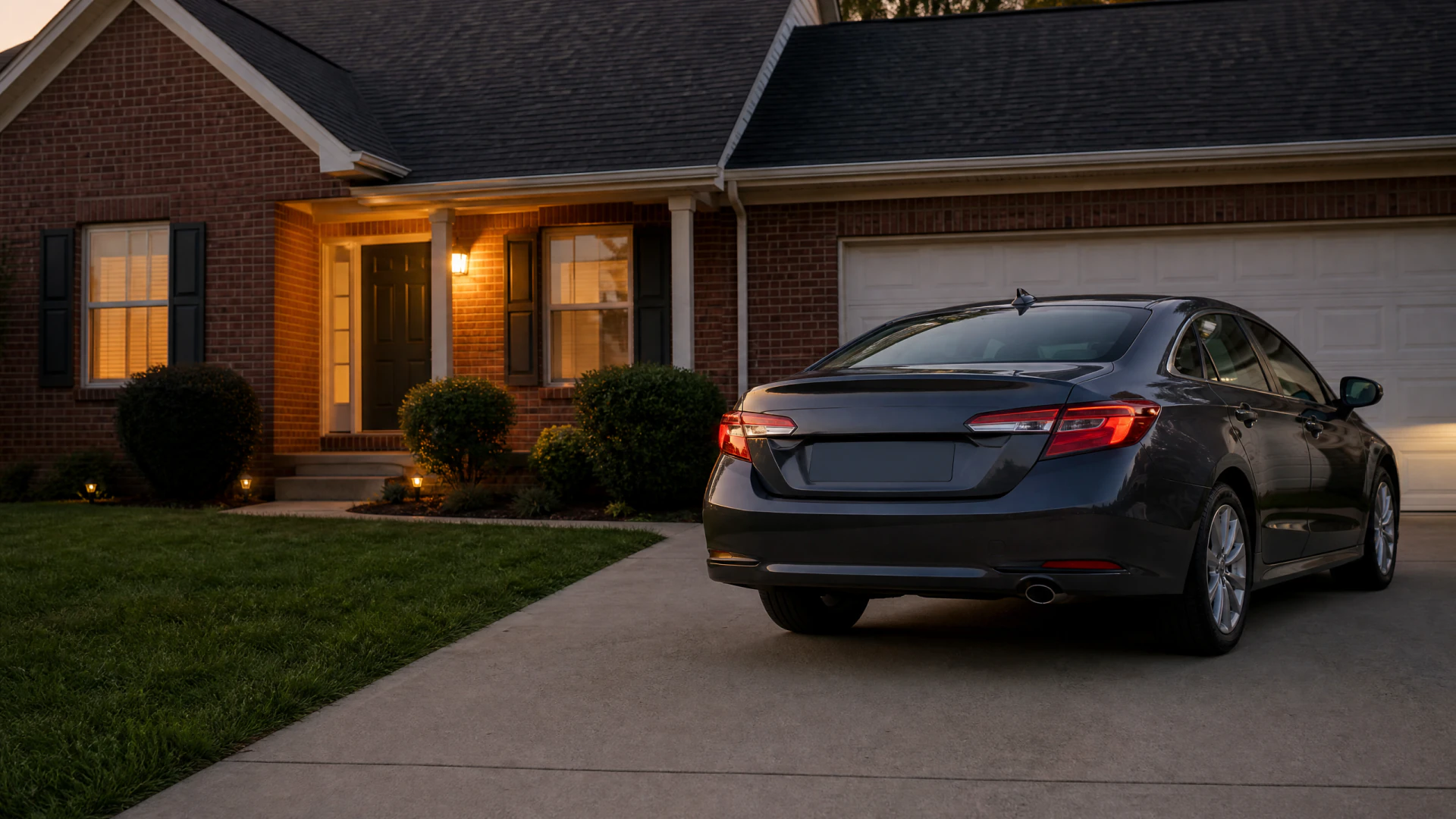
- Check if a garage helps Parking in a garage instead of a driveway or street can lower your rate in some places. Ask your insurer directly, since this varies by location and company.
- Ask about bundling, then verify Combining home and auto with one insurer often lowers the total, but not always. Get a bundled quote and a separate quote and compare the actual total.
- Decide your limits first Higher limits cost more upfront but protect the home you just bought. Settle on the coverage you want first, then shop that same coverage everywhere.
- Recheck your mileage and commute A shorter or longer commute changes your risk profile and your price. Give insurers an honest current estimate instead of the number from your old address.
A couple who moved across town and left their policy alone
A couple bought their first house and kept driving on the policy they'd had since their old apartment. They assumed nothing had changed because they still had the same car and the same jobs. A few weeks in, they noticed their new neighborhood had a garage, something their old rental never had, and their commute had gotten shorter instead of longer.
They called their insurer to update the address, mentioned the garage, and asked what bundling the new homeowners policy would do to the total. The insurer gave them a new number. Instead of accepting it, they took that same coverage, the same limits, the same garage detail, and asked two other companies for quotes. One came in lower than their current insurer even after bundling. They switched the auto policy, kept the home policy separate since it was cheaper that way, and ended up paying less than before the move despite having more coverage than they'd had as renters.
Will my rate go up every time I shop around again?
No. Comparing quotes doesn't raise your rate, and checking rates from other companies has no effect on your current policy's price. The only thing that changes your rate is what you report about yourself, your car, and where you live, not the act of asking for quotes.
Some drivers worry that shopping around looks bad somehow, the way applying for several loans can affect credit. Insurance quotes don't work that way. You can request as many as you want, compare them side by side, and walk away from all of them with zero cost or consequence. The only real decision is making sure every quote you compare includes the same coverage and limits, since a cheaper quote with thinner coverage isn't actually a better rate.
Now that you know what changes your rate, compare quotes with your new address, garage and coverage already locked in.

Updating your policy first versus shopping with old information
If you do
You give every insurer the same accurate picture, your new address, your garage, your real commute. The quotes you get back are comparable and trustworthy. You can act on them immediately, switch if one's better, and know the price won't change later when the insurer verifies your details.
If you don't
Quotes based on your old address or guessed mileage look good at first but shift once the insurer verifies your information. You might pick a policy expecting one price and get a different bill, or find your current policy quietly adjusts once your insurer notices you moved.
Why the same coverage can cost such different amounts
Insurers each build their own model of risk, weighing your location, your car, your driving history and other factors differently. One company might weight your new zip code favorably while another focuses more on the age of your car. That's why two insurers looking at the identical you can land on very different prices, and why no single company is reliably cheapest for everyone.
Your move changes several inputs at once, not just one. The zip code affects theft and accident rates in the model. A garage affects weather and vandalism risk. A new commute affects how many miles you drive and how much exposure that creates. None of these work in isolation, so updating only one and leaving the others as they were gives any insurer, including your current one, an incomplete picture.
Bundling works for some people because insurers discount for carrying multiple policies, but the discount doesn't always outweigh what you'd pay elsewhere for each policy separately. Whether it helps you depends on your specific home and car details, so the only way to know is to get both a bundled quote and separate quotes before deciding.
Where this gets more complicated is coverage limits. Raising your limits to protect your new asset increases your premium, but it also changes what counts as the best rate. The lowest price on thin coverage isn't the best rate if it leaves you exposed. Decide what limits you actually want to carry first, then treat the comparison as finding the lowest price for that same protection across insurers, not the lowest price overall.