How to Compare Car Insurance Quotes Online
Compare quotes using the exact same coverage and limits on every one, or the price differences mean nothing.
The only fair comparison is one where coverage is identical
Quotes vary by price because insurers price risk differently, not because one is giving you less insurance for less money. If you don't fix the coverage first, a cheaper number might mean lower limits, a higher deductible, or a piece of coverage missing entirely. So before you compare anything, decide the coverage you want, the same liability limits, the same deductible, the same extras, and carry that identical list to every insurer you ask.
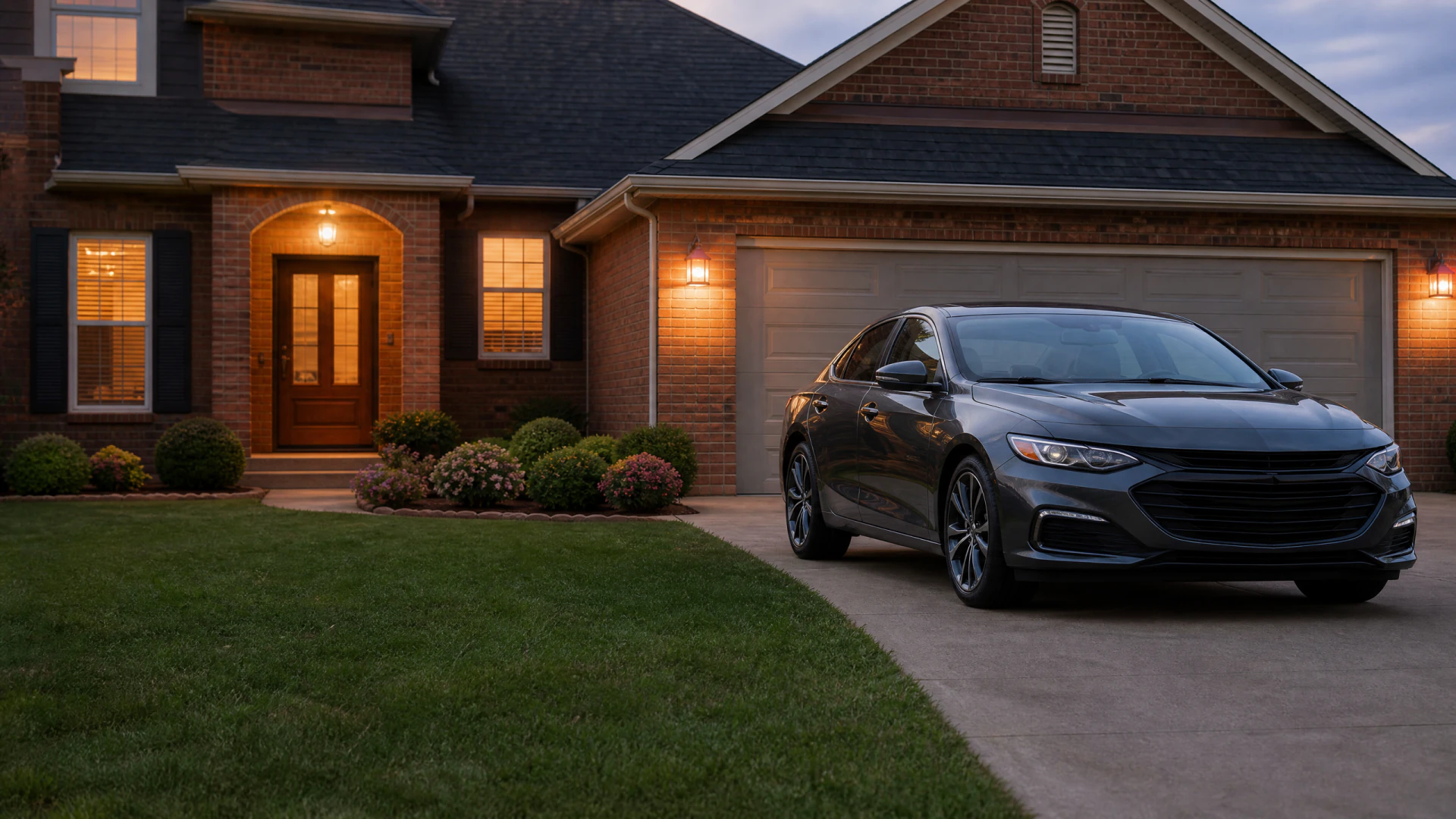
Your new address matters because insurers price partly on where the car sits overnight and what claims look like in that area. A garage can lower a quote because it reduces theft and weather risk, so mention it even if no one asks directly. These are real factors, not fine print, and they're part of why your old policy's price doesn't tell you much about what you should pay now.
Bundling your car policy with your new homeowners policy often lowers the car premium, sometimes meaningfully, but not always, and not with every insurer. Ask each one directly whether bundling changes the number, because it's a question you have to raise rather than a discount that always appears automatically. If the bundled price isn't better, there's no rule that says you must combine them just because you can.
Where this gets inconsistent is state rules. Some states require specific coverages yours might not have had before, and some restrict how much a garage, bundling, or address can move your price. Check your new state's minimum requirements directly, because those set the floor under every quote you get back.

A couple comparing quotes after their first move
A couple moved into their first home and had two cars, one usually parked in the new garage and one left on the street. Their existing policy was still priced for their old apartment's zip code, and they hadn't touched the coverage limits since buying the car years earlier. Before requesting quotes, they wrote down the liability limits, deductible, and extra coverages they wanted, the same list for every insurer, so nothing would get quietly downgraded to win on price.
They mentioned the garage for the one car and asked every insurer directly whether bundling with their new homeowners policy lowered the total. Two insurers barely moved on the bundle, but one dropped the car premium enough that it beat staying separate, even after accounting for the homeowners side. They picked that one not because it was cheapest outright, but because it was cheapest with the identical coverage they'd decided on, and because the garage and the bundle were both working in their favor rather than left unmentioned.
Compare quotes now using the coverage you've decided on, so every number reflects the same policy.

Whether you fix your coverage list before requesting quotes
If you do
Every quote reflects the same limits, deductible, and extras, so price differences are real and comparable. You can pick the lowest number with confidence, knowing you're not accidentally choosing less protection. Garage and bundling questions are easy to ask because you already know what you're asking them to price.
If you don't
Quotes come back built around each insurer's default coverage, which can differ in limits or deductible without you noticing. The cheapest quote might just be the thinnest one. You end up comparing prices attached to different products, which makes the comparison meaningless and the decision harder to trust.
What actually changes your quotes after a move
- Match coverage first Decide your limits, deductible, and extras before requesting quotes, and use that same list everywhere. Otherwise you're comparing prices for different policies, not the same policy priced differently.
- Mention the garage A garage can lower your price because it reduces theft and weather risk. Tell every insurer, even if the quote form doesn't ask directly.
- Ask about bundling directly Combining with your homeowners policy sometimes lowers the car premium, but not always and not everywhere. Ask each insurer the direct question rather than assuming it's automatic.
- Check your new state's rules Minimum coverage requirements and how much factors like address can move your price vary by state. Look up your new state's requirements before you finalize anything.
- Re-quote both cars together If your household has more than one car, request quotes for both on one policy. Insurers often price a household's cars differently than they'd price each alone.
A lower quote only means something once every quote is pricing the exact same coverage.