How to Compare Car Insurance Prices
Compare prices only after you fix your coverage and limits, otherwise you're just comparing different products wearing the same price tag.
Why the same comparison gives different people different answers
A quote is a reflection of the coverage, limits and deductibles you asked for. Two quotes with different numbers on them aren't necessarily telling you one insurer is cheaper. They're often telling you that one quote assumed less protection than the other. Before you can trust a price difference, you have to make sure every quote is pricing the exact same coverage.
Your new address is part of what's being priced now, whether or not you've updated it yet. Insurers price risk partly by where the car is parked overnight, so a new zip code can shift your number even if nothing else about you changed. If you haven't told your insurer about the move, your current price may not reflect your actual situation, and any comparison you make against it will be skewed.
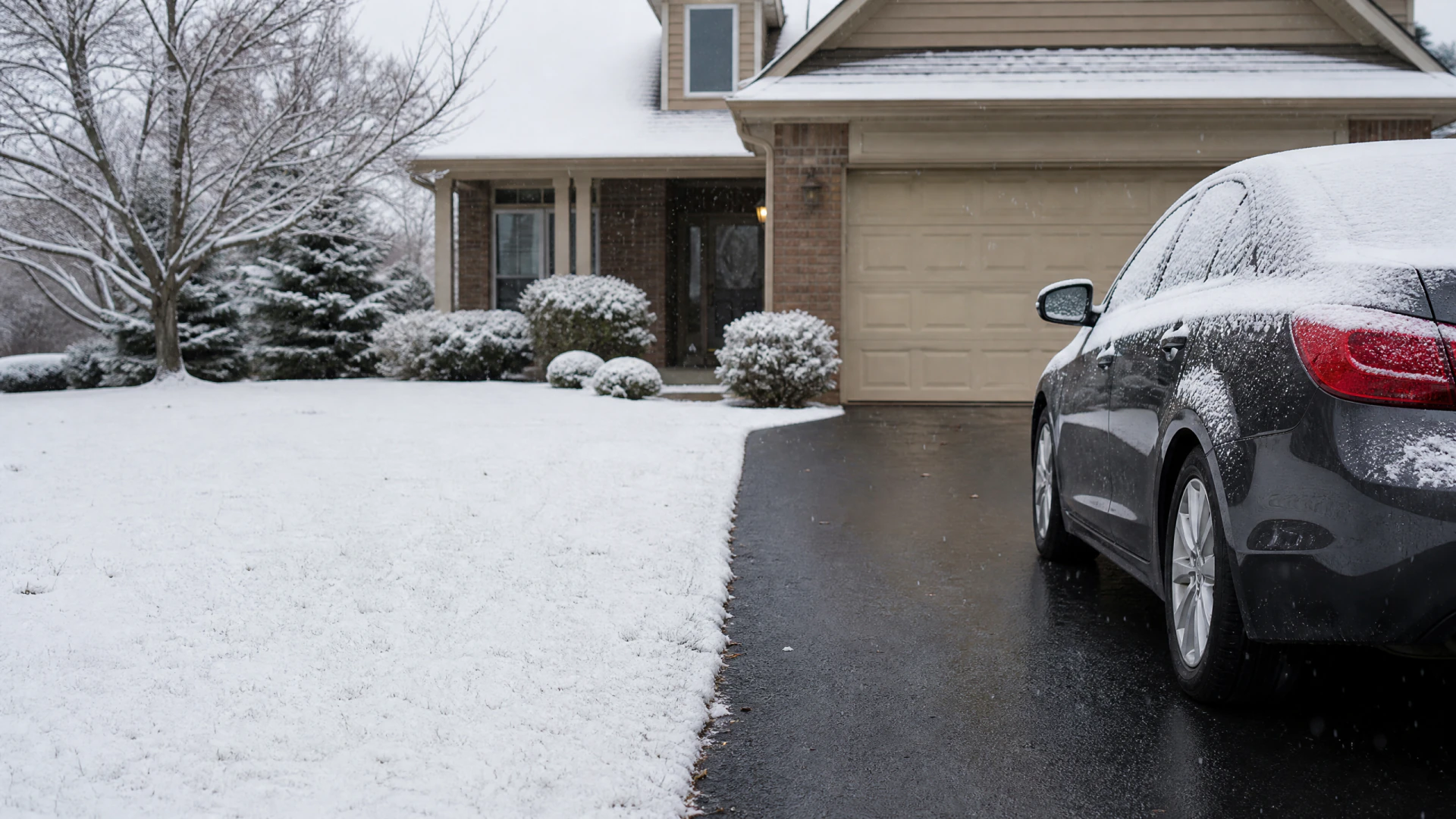
Where the car sleeps also matters. A garage or covered spot changes the risk profile compared to street parking, and insurers account for that differently. If your new home changed how your car is stored, that's a detail worth getting right before you compare, since it can move your price independent of anything else.
Bundling the home and auto policies is worth checking, not assuming. Combining them lowers the price with some insurers and barely moves it with others, so the only way to know is to ask for both the bundled and separate numbers and compare them side by side. The same goes for raising your limits. A higher limit costs more upfront but it's protecting a bigger slice of what you now own, so the comparison that matters isn't just price, it's price against what you'd actually lose without it.

What has to match before a price comparison means anything
- Same liability limits Every quote needs the same liability limits, or you're comparing different protection, not different prices. Ask each insurer to quote the same numbers.
- Same deductible A lower deductible raises the price, so check that every quote uses the same one. Otherwise the cheaper quote might just be a riskier one.
- Updated address Your new zip code affects pricing, so update it before you compare. A quote based on your old address isn't a real number.
- Garage or parking spot Tell every insurer exactly how and where the car is stored overnight. This detail changes pricing and it has to be consistent across quotes.
- Bundled and separate pricing Ask for a quote with your home policy bundled and one without. The difference tells you whether bundling is actually worth it for you.

Once your coverage and limits are set, compare quotes now to see what that decision actually costs.
Should you raise your limits before or after you compare prices?
Decide your limits first, then compare. If you shop at your old, lower limits and raise them later, every price you compared becomes meaningless, because you'll be paying for more protection than what you judged the insurer on.
The habit worth building is to treat limits as a decision about what you own and what you'd lose, not as a dial you turn to make a quote look better. Once you know the limit you actually want, every quote you collect after that is telling you the truth about what that protection costs from each insurer.
If money is tight right now, it's still better to compare at the limit you intend to keep, even if that number is initially uncomfortable. A comparison built on a limit you're about to change isn't a comparison you can trust.
A lower price only means something once every quote is pricing the exact same coverage.
How often should I compare car insurance prices?
Most people benefit from comparing around once a year, and also whenever something in their situation changes, like a move, a new car, or a change in who drives it. Insurers reprice risk regularly, so a policy that was competitive last year may not be now. Check your renewal notice each cycle and treat a comparison as part of reading it, not a separate chore.
Does my driving record affect how prices compare between insurers?
Yes, and it affects insurers differently, since each one weighs your history on their own scale. One insurer might treat a recent incident as minor while another prices it heavily. This means the cheapest option for someone with a clean record may not be the cheapest for you, so it's worth getting quotes from more than one type of insurer rather than assuming the same ranking applies to everyone.
Should I compare prices with my current insurer before switching?
Yes, always ask your current insurer for a fresh quote first, since your price may be based on outdated information about your address or coverage. Sometimes simply updating your details lowers your current price enough that switching isn't worth the hassle. Compare that updated number against outside quotes before deciding, so you're weighing real numbers instead of an old price against new ones.


