How Does Car Insurance Verify Your Address
Insurers confirm your address through the records you give them and the ones they can pull on their own, like registration and credit files.
Your address shows up in more records than you think
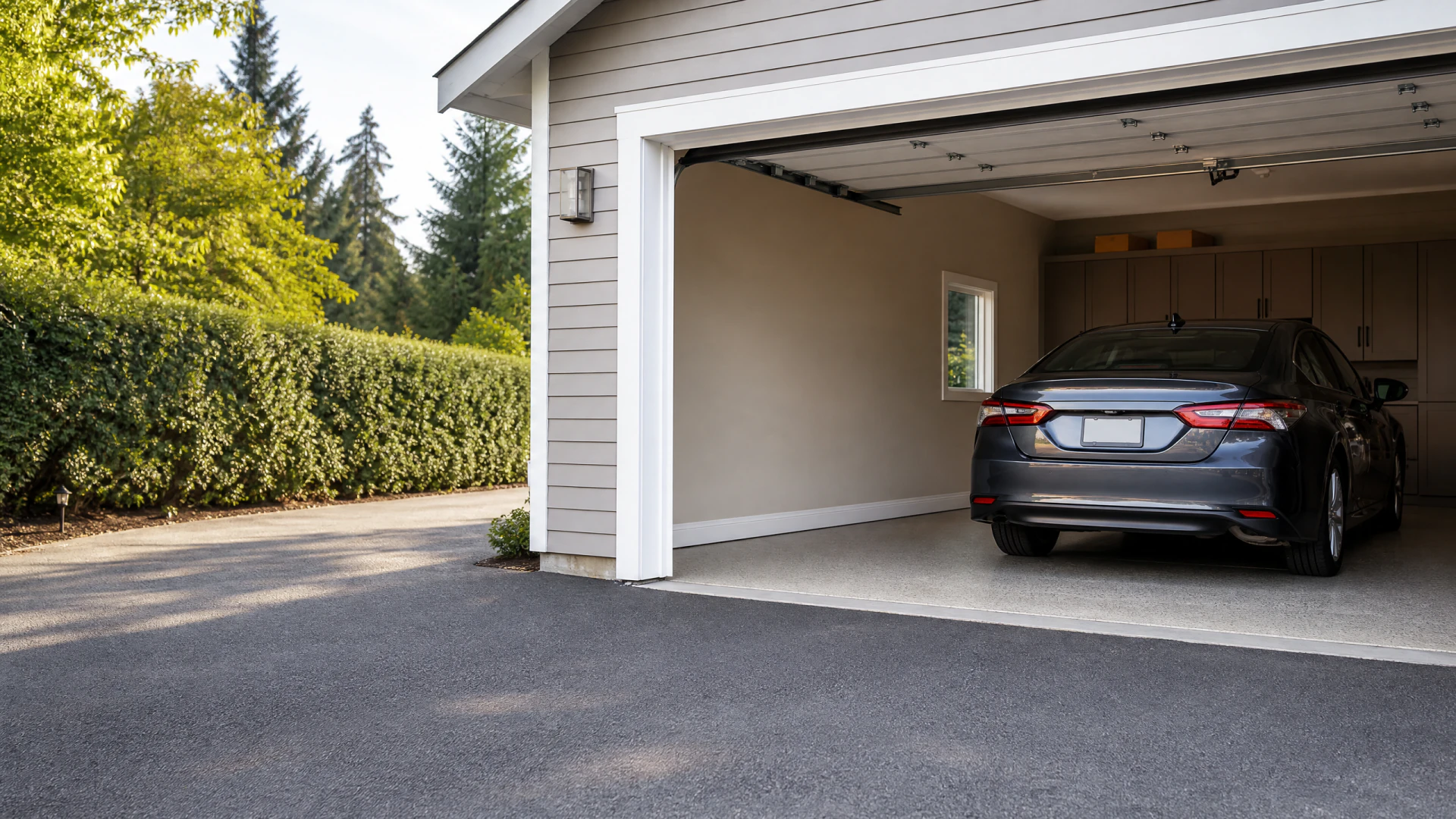
An insurer sets your rate based partly on where your car is usually parked overnight, since that location drives the odds of theft, vandalism, weather damage and the kind of claims people file nearby. They ask you to state that address when you buy or renew a policy, and they trust that answer first.
But insurers don't only rely on what you tell them. They cross-check against outside databases like motor vehicle registration records, credit bureau files, and sometimes mail forwarding data. If you register a car at the DMV with a new address, or your credit file updates because you moved, that information can surface during underwriting or at renewal even if you never called your insurer.
Mismatches get flagged more often at renewal, after a claim, or when you add a vehicle, because those moments trigger a fresh review of your file. A claims adjuster investigating an accident will also often confirm where the car was kept, especially if the claim involves theft or a garage.
What counts as proof and how closely insurers check varies by state and by company. Some lean heavily on automated database matches, others mostly trust what you report unless something looks off. Check your policy documents or ask your insurer directly what they use, since that tells you how much verifying actually happens behind the scenes.
What actually gets checked when your address matters
- Where the car sleeps Insurers care about the address where your car is parked overnight, not just your mailing address. Make sure both are accurate and match what you report.
- DMV registration records Your vehicle registration often lists your current address and insurers can access this. Update it promptly after a move so it matches your policy.
- Credit file updates Address changes sometimes appear in credit bureau data insurers pull during underwriting. This can flag a mismatch even if you haven't told your insurer yet.
- Claims investigations After an accident or theft claim, an adjuster may verify where the car was actually kept. Inconsistencies here can slow down or complicate a claim.
- Renewal reviews Insurers often re-check details like address at renewal time. This is a natural moment to update anything that's changed since you last looked at your policy.

Your policy reflects the address on file, not the one you live at, until you update it yourself.
Once you've updated your address everywhere it counts, compare quotes to see what your new location actually costs.

Updating your address with your insurer right after you move
If you do
Your rate recalculates for your real location right away, so if coverage costs less there you benefit immediately. Your policy and any claim match your actual situation, which avoids disputes later. It also usually takes only a few minutes through your insurer's app or a phone call.
If you don't
Your old address stays on file and your rate won't reflect your real risk, for better or worse. If you file a claim, an adjuster may notice the mismatch and ask questions, which can delay payment or raise concerns about misrepresentation on your application.
A new homeowner who moved and forgot to tell their insurer
A couple bought their first house and spent weeks dealing with movers, utilities and furniture. Car insurance wasn't on their radar until a renewal notice arrived three months later still listing their old apartment. They called their insurer, updated the address, and the rate shifted slightly because the new zip code had different claim patterns than the old one.
The agent also asked whether the car was now parked in a garage instead of on the street, which the couple hadn't thought to mention. That detail changed the quote again, this time in their favor. They realized that the delay hadn't caused any problems yet, since they hadn't filed a claim, but it could have complicated things if they had. Updating it immediately after the move would have avoided that window of mismatch entirely, and now their policy matched where they actually lived.
Will my rate go up if I update my address?
It might go up, it might go down, or it might barely change at all. It depends entirely on how your new location compares to your old one in terms of claims history, theft rates, weather risk and local traffic patterns, not on the fact that you moved itself.
The only way to know is to actually update the address and see the new number, or ask your insurer to run a quick comparison before you commit. Guessing based on whether a neighborhood feels safer or busier isn't reliable, since insurers weigh factors you can't easily observe, like actual claim data for that specific area. If the change surprises you, ask what specifically drove it so you understand whether it's the zip code, the parking situation, or something else entirely.